Best Conference Phones for Business in 2026
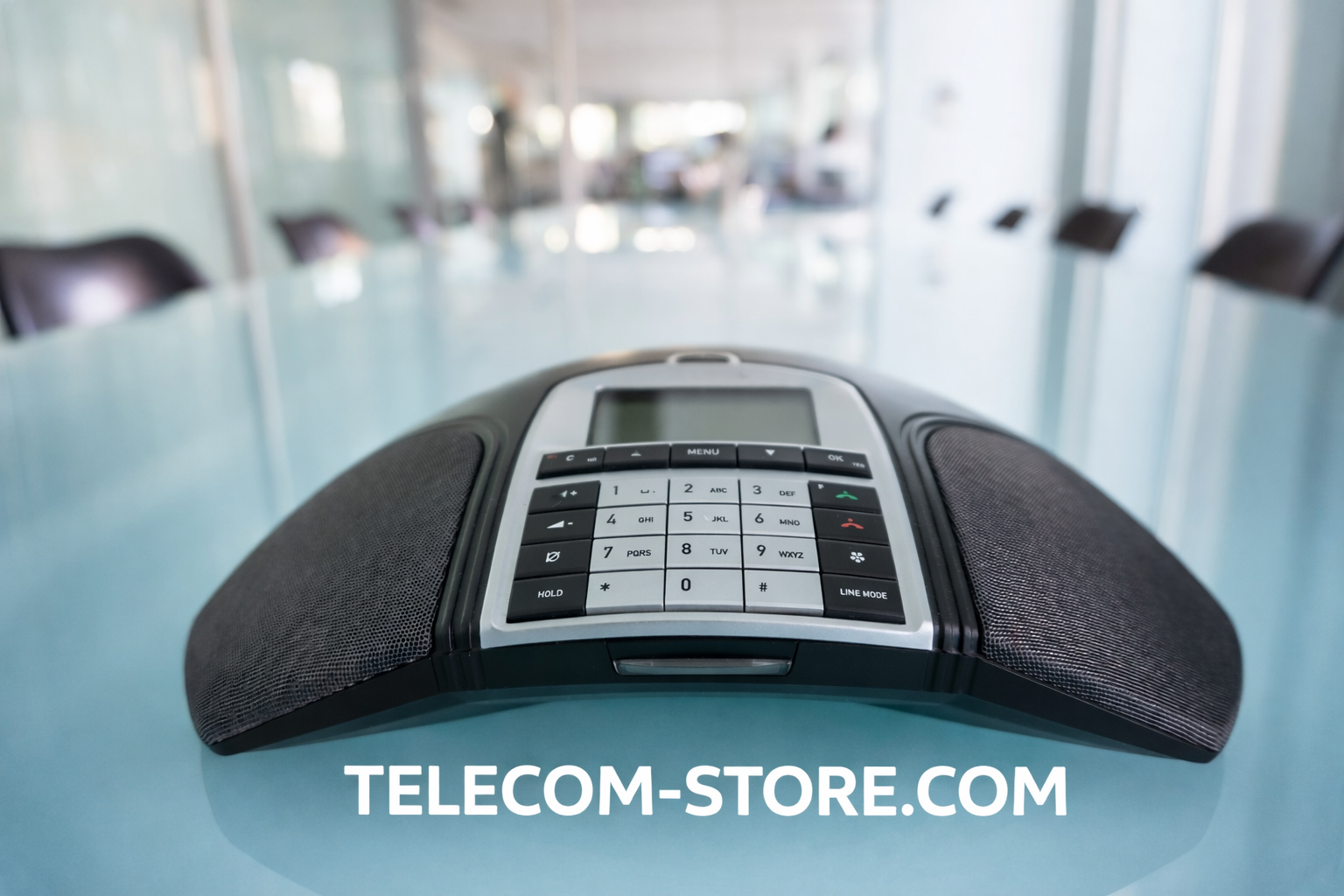
Conference phones have become a core part of business communication. As more organizations rely on remote collaboration and hybrid work environments, having a reliable conference phone system is essential for maintaining clear and consistent communication.
This guide explores the best conference phones for business in 2026, focusing on VoIP conference phones, IP conference phones, HD voice capabilities, and PoE-powered systems.
Why Conference Phones Matter in Modern Business
Conference calls are often used for:
- Team meetings
- Client discussions
- Vendor coordination
- Remote collaboration
Poor audio quality can disrupt communication and reduce productivity. A properly selected conference phone ensures that all participants can hear and be heard clearly.
Types of Conference Phones
Understanding the different types of conference phones helps you choose the right system for your environment.
VoIP Conference Phones
VoIP conference phones connect to your network using SIP protocols. They integrate with IP PBX systems and cloud-based phone services.
A model such as:
Grandstream GS-GAC2500 Android Enterprise Conference Phone
provides advanced features and seamless integration with modern communication systems.
Wireless Conference Phones
Wireless conference phones offer flexibility in placement and reduce cabling requirements.
For example:
Conference Phone
is suitable for offices where mobility is important or where wiring is limited.
DECT Conference Phones
DECT-based systems are ideal for larger spaces and environments where wireless range is required.
A system like:
Yealink CP935W DECT Wi-Fi Conference Phone w/W70B Base
provides extended coverage and stable wireless communication.
Portable Conference Phones
Portable conference phones are useful for temporary meeting spaces or travel.
An option such as:
Grandstream Enterprise Conference Phone with Long-Lasting Battery
allows users to move between rooms without being tied to a fixed installation.
Speakerphone Systems
For smaller meetings or individual use, speakerphones can be a practical solution.
Example:
Vtech ATT-SB3014 Conference Speakerphone with 4 Mics
These devices are typically USB or Bluetooth-based and are easy to deploy.
Key Features to Consider
Selecting the right conference phone involves evaluating several important features.
HD Voice Quality
HD voice conference phones provide clearer audio by capturing a wider frequency range. This reduces distortion and improves overall call clarity.
Microphone Coverage
Microphone range determines how well the device captures voices across a room. Larger rooms require conference phones with extended pickup range or additional microphones.
Connectivity Options
Conference phones may support:
- SIP (VoIP integration)
- Bluetooth
- USB
- Wi-Fi
The right choice depends on your existing communication system.
PoE Support
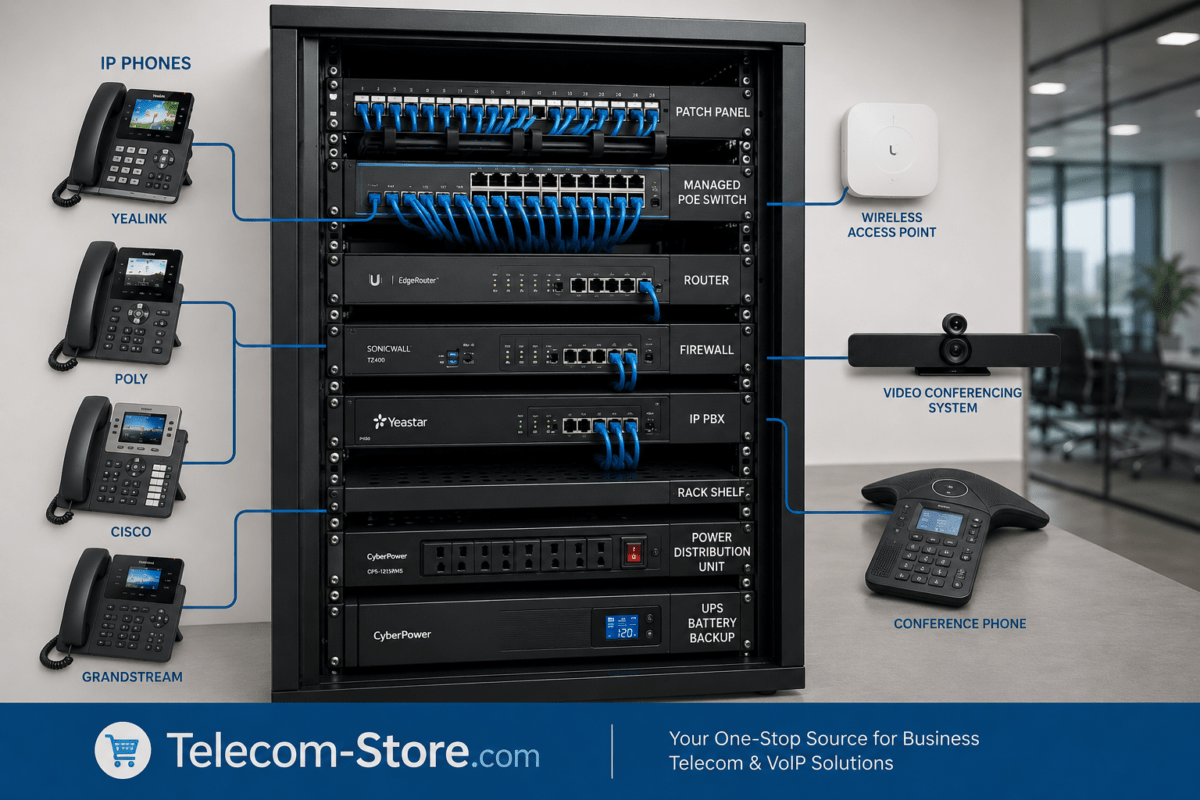
PoE conference phones simplify installation by combining power and data into a single Ethernet cable. This reduces wiring complexity and improves reliability.
Integrating Conference Phones into Your Network
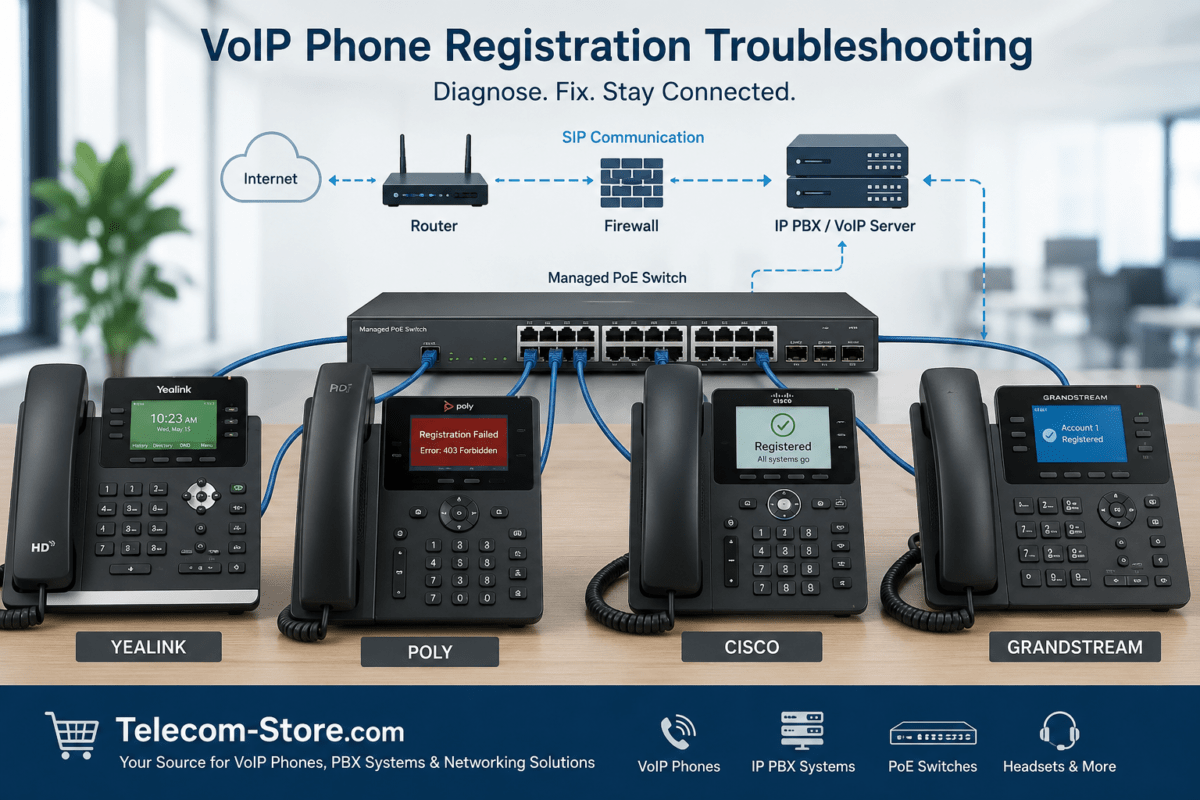
Conference phones are part of your broader communication infrastructure. They often share the same network as VoIP desk phones, computers, and other devices.
For example, VoIP desk phones such as:
Yealink T58W PRO Android 9.0 IP Phone with Bluetooth Handset
operate alongside conference phones and require stable network performance.
To ensure optimal operation:
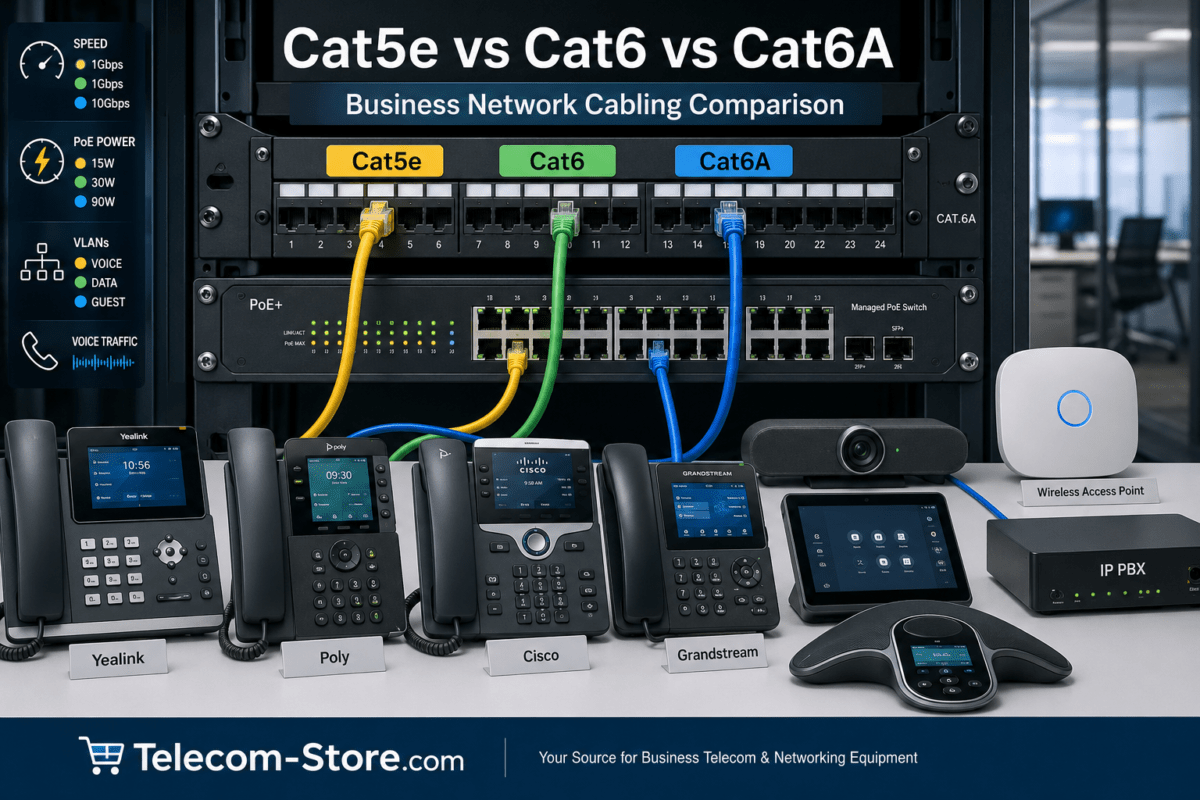
- Use VLANs to separate voice traffic
- Enable QoS to prioritize calls
- Ensure sufficient bandwidth
Choosing the Right Conference Phone for Your Office
Different office environments require different solutions.
Small Offices
Small offices may benefit from compact conference phones or speakerphones. These devices are easy to set up and require minimal configuration.
Medium-Sized Conference Rooms
Medium rooms require devices with stronger microphones and better audio processing.
A system like:
Yealink CP965 Conference Phone with HD Audio & Touchscreen
is designed for professional meeting environments and supports multiple participants.
Large Conference Rooms
Large spaces require advanced systems with extended microphone coverage and possibly additional accessories.
DECT-based or expandable conference phone systems are often used in these environments.
Compatibility Considerations
Before purchasing a conference phone, verify compatibility with your existing systems.
Key factors include:
- SIP compatibility with your VoIP provider
- Network requirements
- Integration with IP PBX systems
- Firmware support
Ensuring compatibility reduces setup issues and improves long-term performance.
Setup Requirements
Proper setup is essential for achieving the best audio quality.
Consider:
- Network configuration (QoS and VLANs)
- Placement of the device in the room
- Power requirements (PoE or external power)
- Acoustic environment
Testing the system after installation helps identify any issues early.
Limitations to Consider
While conference phones improve communication, there are some limitations.
- Large rooms may require additional microphones
- Wireless models may depend on signal strength
- Network congestion can affect call quality
- Some advanced features require configuration
Understanding these limitations helps ensure realistic expectations.
Working with a Professional Provider
For businesses with complex communication needs, working with a provider can simplify deployment.
A company such as:
Axion Communications
can assist with selecting and configuring conference phone systems that integrate with your existing network.
Practical Tips for Deployment
- Choose a conference phone based on room size
- Ensure network stability before deployment
- Use PoE where possible for simplicity
- Test microphone coverage in real conditions
- Plan for future expansion
Conclusion
Conference phones play an important role in business communication, especially in environments where collaboration is essential. By selecting the right device and ensuring proper integration with your network, you can improve call clarity and overall meeting efficiency.
A well-planned conference phone system supports communication without adding unnecessary complexity, making it a practical investment for modern businesses.
FAQ Section
What is a VoIP conference phone?
A VoIP conference phone is a device that connects to a network using SIP protocols to facilitate group calls. It integrates with IP PBX systems and allows multiple participants to communicate clearly during meetings.
How do I choose the right conference phone for my office?
Consider room size, microphone coverage, connectivity options, and compatibility with your VoIP system. Larger rooms require devices with extended pickup range and advanced audio features.
Are PoE conference phones better than traditional models?
PoE conference phones simplify installation by combining power and data into a single cable. They are often more convenient for business environments with existing network infrastructure.
Can conference phones work with wireless networks?
Some conference phones support Wi-Fi or Bluetooth connections. However, wired connections typically provide more stable performance in business environments.
What is HD voice in conference phones?
HD voice refers to enhanced audio quality that captures a wider frequency range. This improves clarity and reduces background noise during calls.
Do conference phones require an IP PBX system?
Most VoIP conference phones require an IP PBX or cloud-based VoIP service. Some models can also connect directly to communication platforms via USB or Bluetooth.
How many microphones does a conference phone need?
The number of microphones depends on room size. Larger rooms may require multiple microphones or expandable systems to ensure all participants are heard clearly.
Can conference phones be used for remote meetings?
Yes, conference phones are commonly used for remote meetings. They provide clear audio for both in-room and remote participants.