Why Most Businesses Overpay for Phone Systems
Business phone systems are essential, but many organizations spend more than necessary without realizing it. Understanding business phone system cost is not just about comparing monthly fees—it involves evaluating hardware, infrastructure, and long-term scalability.
This guide explains where costs typically come from, why businesses overpay, and how to make more informed decisions.
What Drives Business Phone System Cost?
Phone system pricing is influenced by several factors:
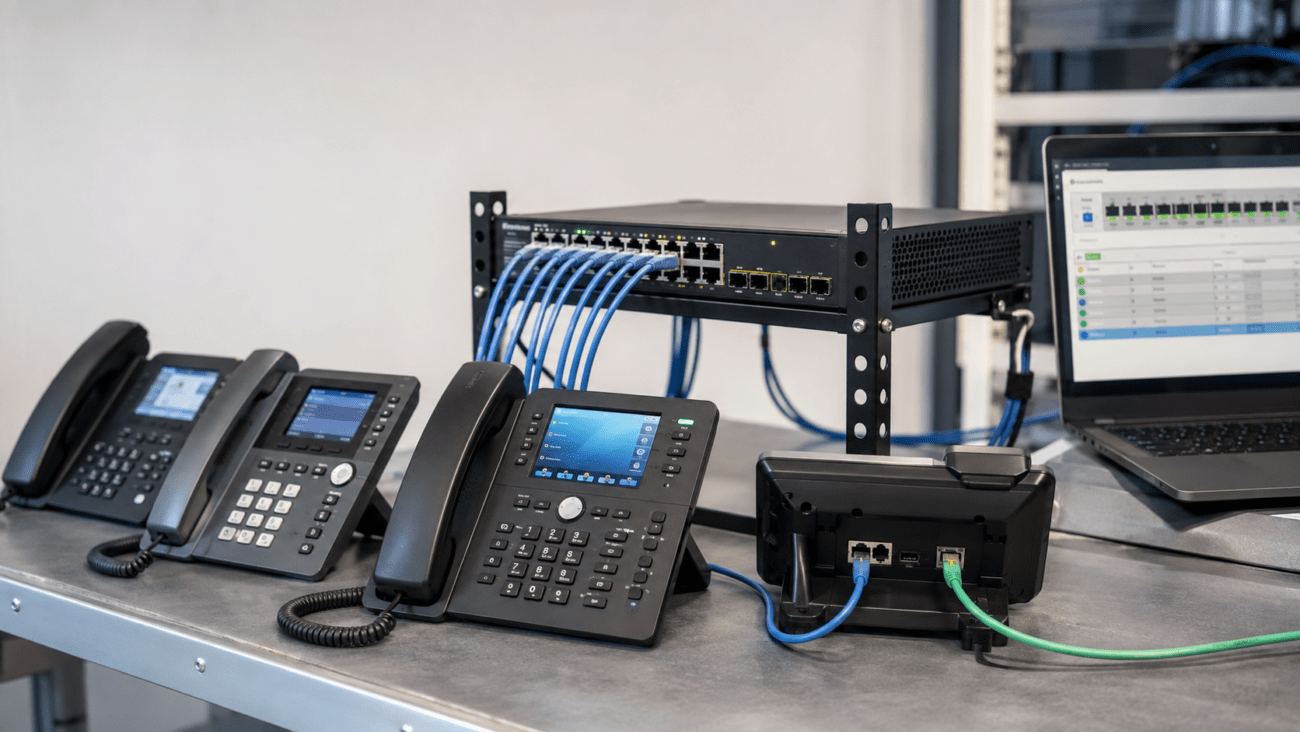
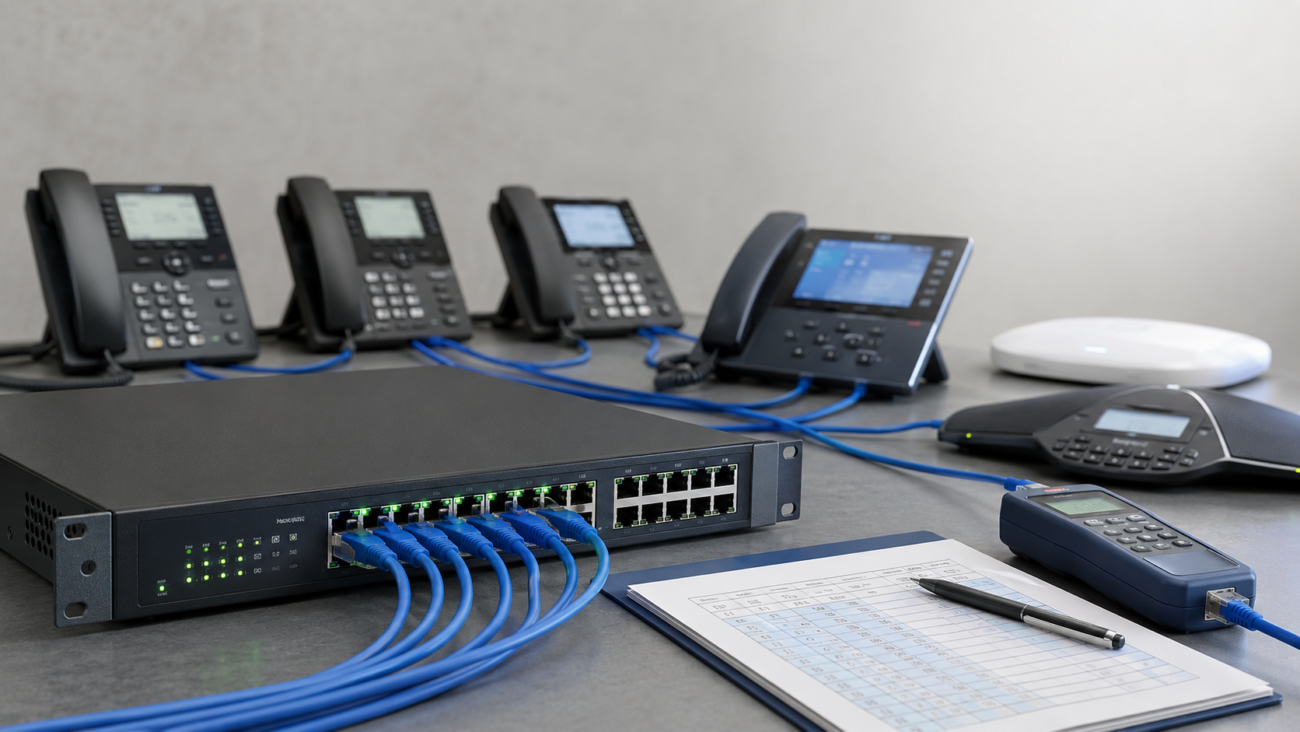
- Hardware (phones, switches, routers)
- Licensing or subscription fees
- Installation and setup
- Maintenance and support
While these are expected costs, the issue often lies in how systems are selected and deployed.
Common Reasons Businesses Overpay
1. Overbuying Features
Many businesses invest in systems designed for larger environments. These systems include advanced features that may not be used daily.
Examples include:
- Excessive line capacity
- Advanced integrations that are never configured
- Enterprise-level hardware for small teams
2. Choosing the Wrong System Type
Traditional phone systems often involve:
- Higher upfront costs
- Limited flexibility
- Ongoing maintenance
Switching to VoIP can offer cost savings, but only when properly implemented.
3. Ignoring Hardware Efficiency
Not all devices offer the same value. Businesses may purchase expensive equipment without evaluating actual needs.
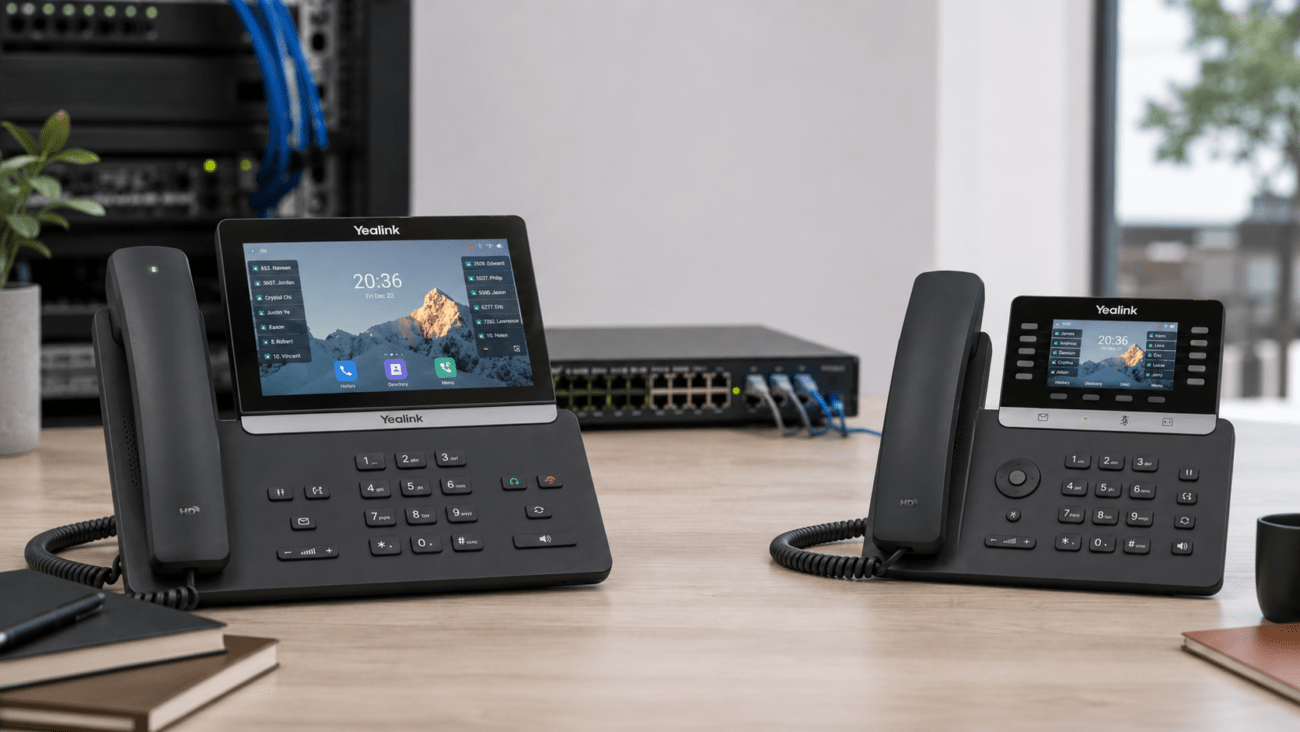
For example, an entry-level device like:
Yealink Color LCD IP Phone with PoE for Small Business
may be sufficient for many users.
4. Lack of Network Optimization
Poor network configuration can lead to:
- Additional hardware purchases
- Increased troubleshooting costs
- Reduced performance
This indirectly increases total cost.
Affordable Business Phone System Options
Modern VoIP systems provide more flexibility and cost control.
Entry-Level Phones
For general office use:
Snom HD audio 4-line SIP phone for business use
These devices handle standard communication needs without unnecessary complexity.
Mid-Range Solutions
For users who need more functionality:
Yealink PoE SIP Phone with 2.8 Inch Color LCD for Office
These phones offer additional features while maintaining reasonable pricing.
Infrastructure Matters
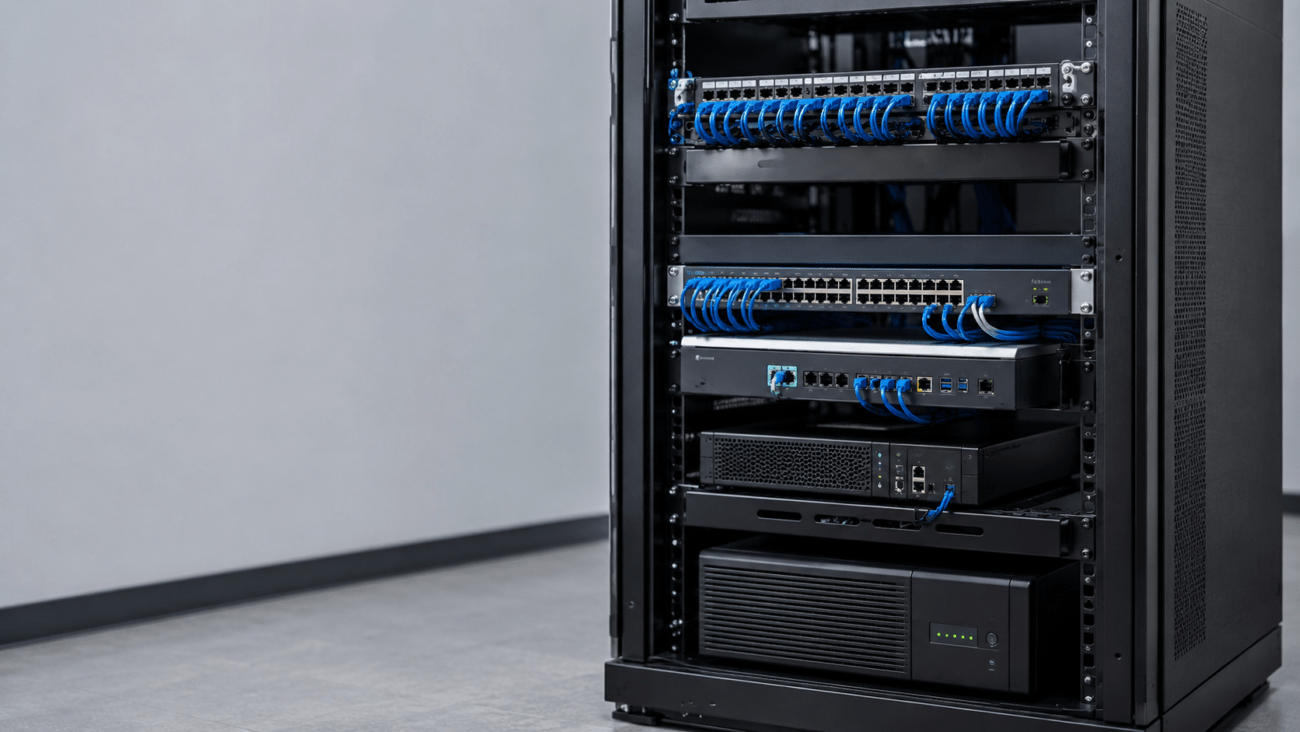
A reliable network supports cost efficiency.
A switch such as:
EnGenius 410W PoE+ Gigabit Switch with 24 Ports for Business
can power multiple devices and improve traffic management, reducing the need for additional equipment.
Switching to VoIP: Cost Savings Explained
VoIP systems reduce costs by:
- Eliminating traditional phone line charges
- Simplifying infrastructure
- Allowing scalable user additions
The ability to scale without replacing hardware contributes to long-term savings.
How to Reduce Phone System Costs
Evaluate Actual Needs
Identify:
- Number of users
- Required features
- Call volume
Avoid selecting systems based on assumptions.
Use Scalable Hardware
Choose equipment that supports future growth without requiring full replacement.
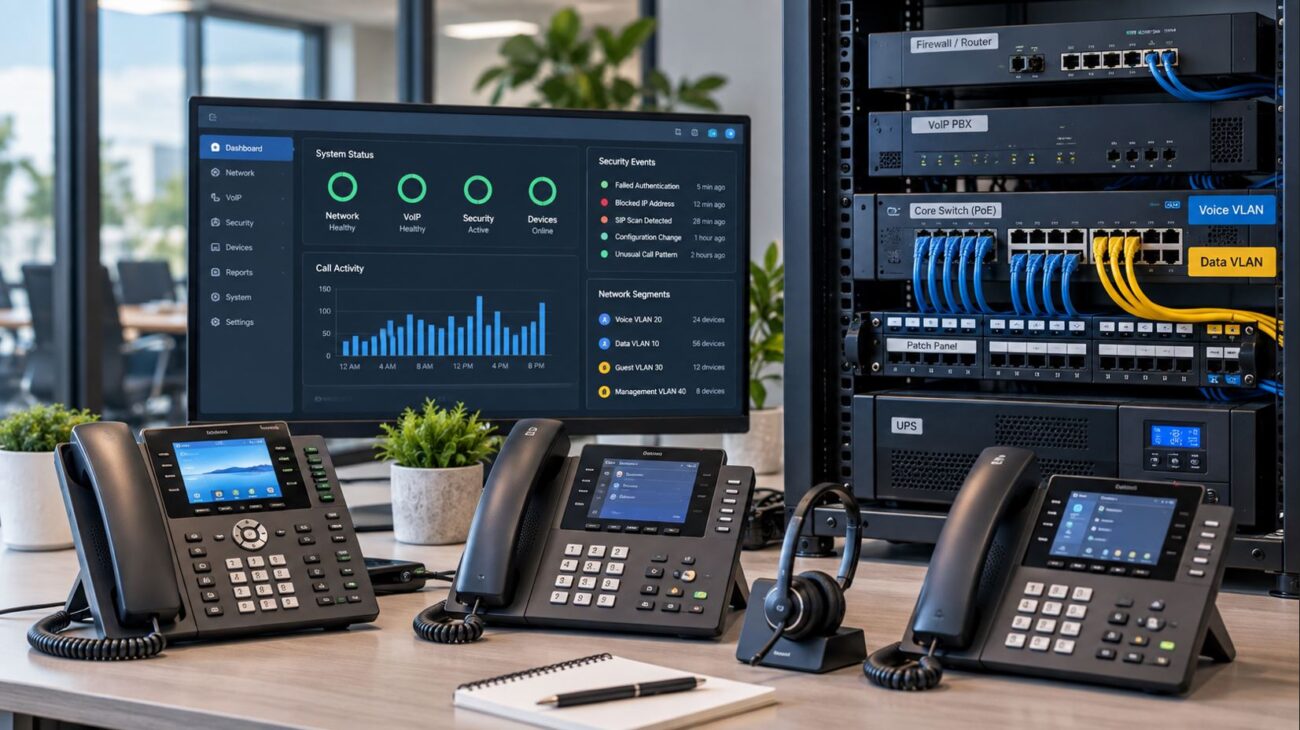
Optimize Your Network
- Enable QoS
- Use VLANs
- Monitor traffic
These steps improve performance and reduce unnecessary upgrades.
Avoid Vendor Lock-In
Select systems that allow flexibility in providers and hardware choices.
Compatibility Considerations
Before purchasing equipment:
- Verify compatibility with your VoIP provider
- Ensure PoE support for phones
- Confirm firmware and update availability
This helps prevent additional costs later.
Setup Requirements
A cost-effective system typically includes:
- VoIP phones
- Managed switch
- Reliable internet connection
- Basic network configuration
Proper setup ensures long-term efficiency.
Limitations to Consider
While VoIP reduces costs, there are factors to consider:
- Dependence on internet connectivity
- Network performance requirements
- Initial setup time
Understanding these limitations helps with planning.
Working with a Professional Provider
For businesses that want to avoid unnecessary expenses, professional guidance can be beneficial.
A provider such as:
Axion Communications
can help design a system that aligns with operational needs.
Practical Example
A small office may initially invest in:
- High-end phones
- Complex PBX system
After reassessment, switching to a simpler VoIP setup with appropriately matched hardware can significantly reduce ongoing costs.
Conclusion
Business phone system cost is influenced by both direct and indirect factors. Overpaying often results from overbuying features, selecting the wrong system type, or failing to optimize infrastructure.
By focusing on actual needs, scalable solutions, and proper configuration, businesses can achieve reliable communication without unnecessary expense.
FAQ Section
What is the average business phone system cost?
Costs vary depending on system type and size, but VoIP systems generally offer lower ongoing expenses compared to traditional systems.
How can I reduce phone system costs?
Evaluate your needs, choose scalable hardware, and optimize your network to avoid unnecessary expenses.
Is VoIP cheaper than traditional phone systems?
VoIP often provides cost savings due to lower infrastructure and maintenance requirements.
What is the best value VoIP phone system?
The best value depends on your business size and feature requirements, but scalable VoIP solutions are typically cost-effective.
Do I need expensive VoIP phones?
Not always. Many businesses can operate effectively with entry-level or mid-range devices.
What affects small business phone system cost?
Hardware, licensing, network infrastructure, and support services all contribute to overall cost.
Can switching to VoIP save money?
Yes, especially by reducing line costs and simplifying system management.
Are there hidden costs in phone systems?
Hidden costs can include maintenance, upgrades, and unnecessary features.