Emergency Call Boxes: Fast Answers for Business Buyers
If you’re responsible for your site’s safety or facilities management, an emergency call box ensures your team and visitors always have a way to reach help. These devices work even when cell signals are unreliable, and many connect directly to your business VoIP or IP PBX system for streamlined response and easy management.
| Type |
Best For |
Key Benefits |
Check Before Buying |
| SIP Emergency Call Box |
Offices, warehouses, new builds with VoIP/IP PBX |
Direct VoIP integration, easy call routing, central management |
Compatible with your network and phone system? |
| Analog Emergency Phone |
Legacy sites, simple installs |
Works with standard phone lines, low maintenance |
Analog lines available? |
| ADA-Compliant Help Phone |
Any public or regulated facility |
Accessible for all users, regulatory compliance |
Meets ADA and local code? |
| Panic Button System |
Retail, security, high-risk work areas |
Instant notification, customizable alerts |
Notification routing and power backup? |
| Outdoor/Weatherproof Box |
Parking lots, campuses, yards, remote access points |
Durable enclosure, reliable in harsh conditions |
Vandal/weather resistance rating? |
Why Business Still Invests in Emergency Call Boxes
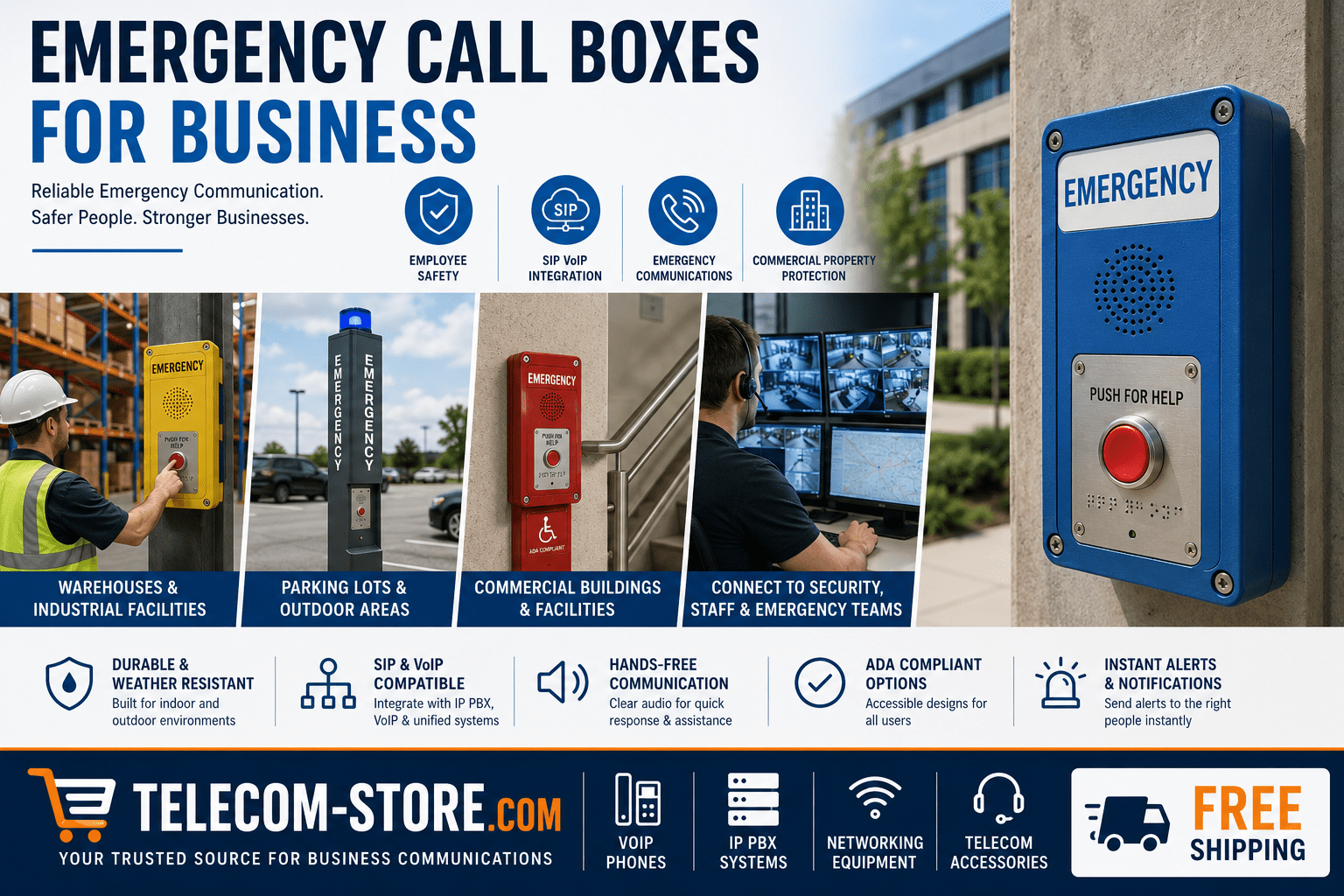
Emergency call stations aren’t relics—even with mobile phones everywhere, they fill safety gaps. Power outages, poor signal, or locked-down cell access often leave people stranded. Dedicated call boxes guarantee anyone can reach security or emergency teams quickly, using a single push or hands-free talk.
Business deployments include:
- Warehouses and industrial sites with wide or noisy work spaces
- Office parks and commercial buildings
- Parking structures or remote outdoor zones
- Elevators and stairwells needing code compliance
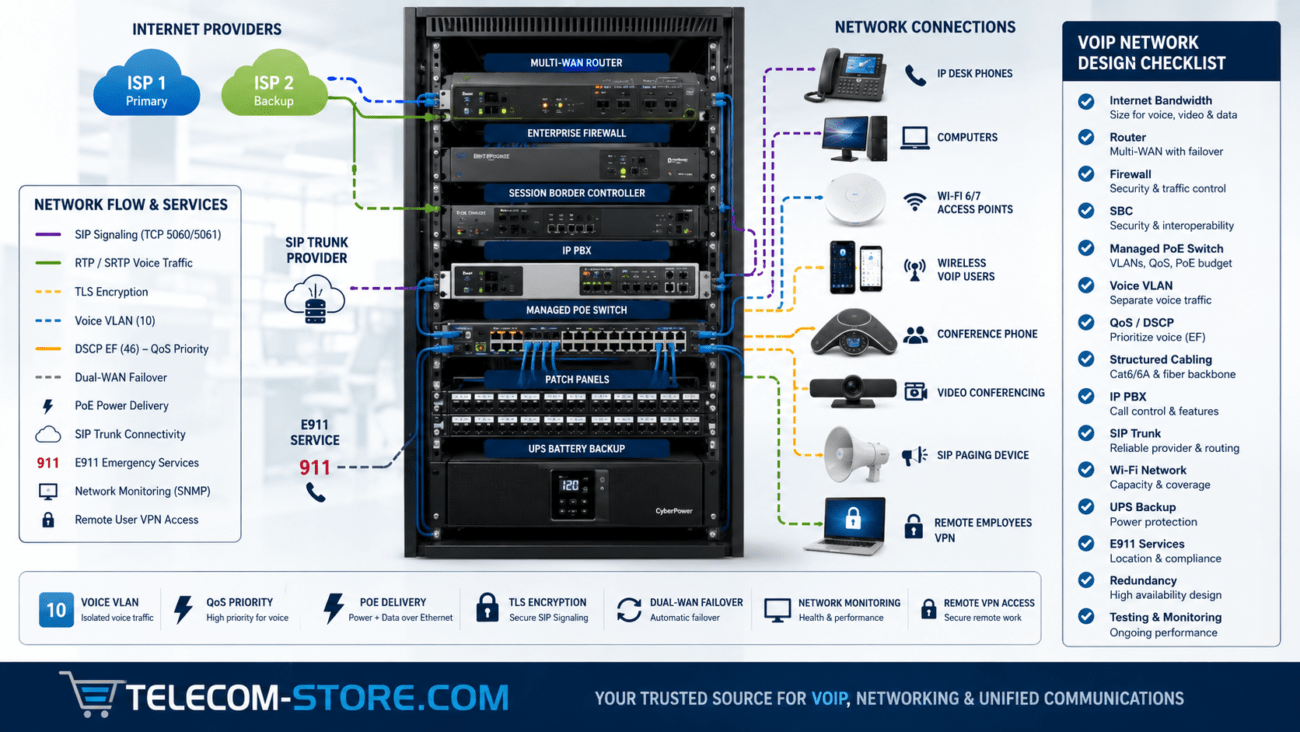
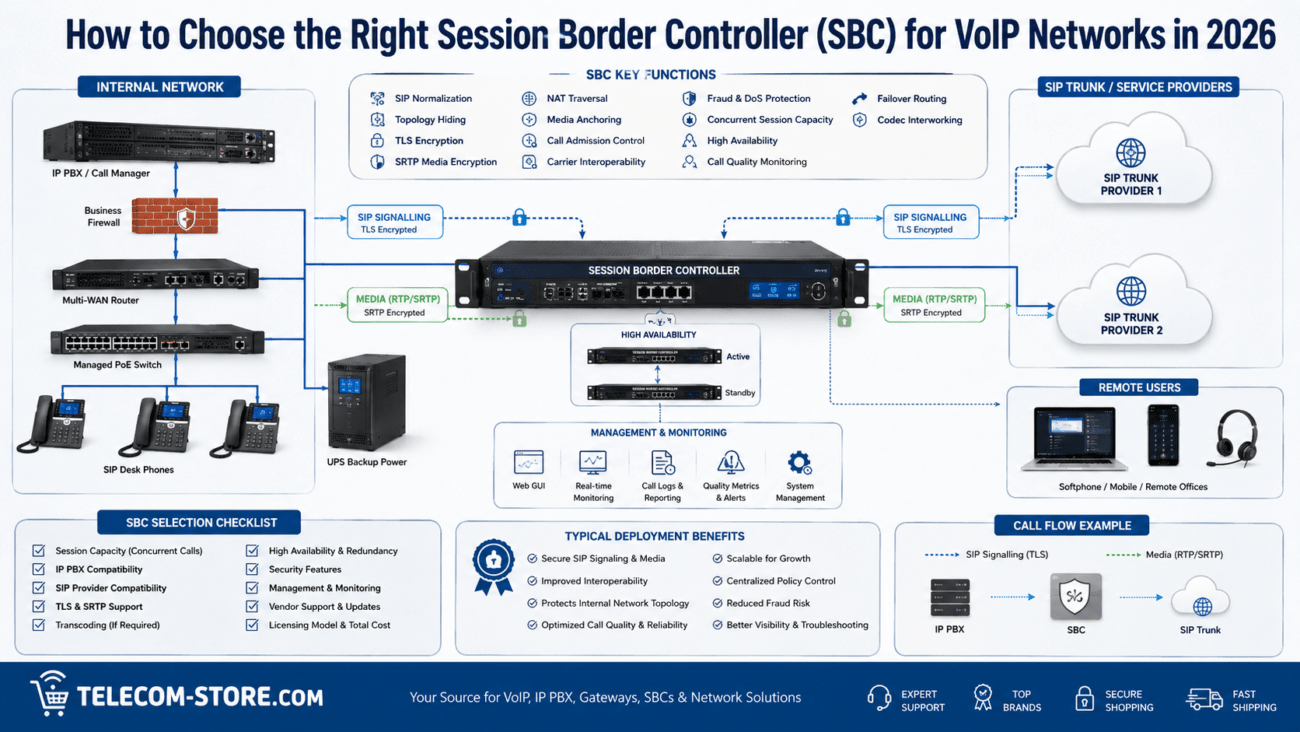
Integration with VoIP or SIP is now common, letting you route alerts to any phone, paging, or monitoring system, including your IP PBX or unified communications platform. Shop business VoIP phones for compatible devices.
Main Types of Emergency Call Boxes
SIP and VoIP Emergency Phones
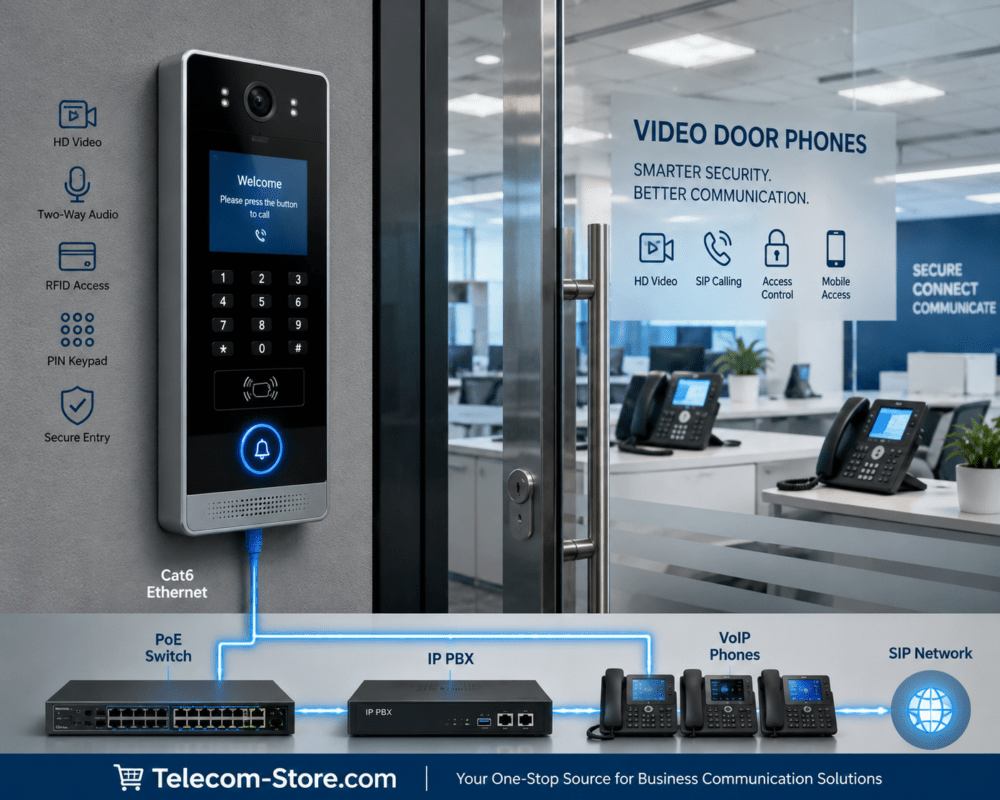
Most new business call boxes are SIP-based, registering as an extension on your network. You can assign call routing, use existing cables (especially with PoE switches to power units), and manage everything from your central phone system or IP PBX.
Analog Emergency Phones
Still widely used for elevator code or simple installations, these connect to traditional analog (POTS) lines or gateways on your PBX. They’re generally simple and reliable, especially for retrofits.
ADA-Compliant and Accessible Phones
Regulatory requirements frequently include ADA compliance. The Viking Electronics 1600A and Viking 45A are reliable options for accessible installations in lobbies, elevators, or parking areas.
Panic Button and Alert Systems
Some environments need a fast, unmistakable way to trigger an alert. Panic button units instantly notify security, paging zones, or even trigger automated announcements via a paging system.
Weather-Resistant and Outdoor Stations
Harsh environments call for armored and weatherproof emergency help phones, like the E-1600-30-IP with EWP for outdoor deployment. Look for IP-rated hardware for the best results.
Key Buying Considerations
- Network & Power: SIP units need network access and often PoE; analog phones need phone lines.
- Compatibility: Confirm support for your VoIP, IP PBX, or unified communications platform.
- Location: Outdoor units must be weather/vandal-resistant. Indoor units may need higher noise handling (loud ringer, visual alerts).
- Accessibility: ADA-compliant models are required for public and most commercial installs.
- Routing: Have a clear plan as to who receives calls or alerts when activated (security, front desk, 911, monitoring service).
- Maintenance: Schedule routine tests. Integrate documentation for facilities and safety audits.
Practical Tips to Avoid Common Mistakes
- Don’t overlook testing—check devices monthly and after any power or network changes.
- Ensure visibility: post signs or floor decals to direct people to the nearest call station.
- Check for code compliance, including ADA and any local fire or safety standards.
- Verify failover: ideally, units should still work during network or power failures (analog lines, backup power, or failover SIM/cellular for advanced models).
Deploying & Integrating Emergency Call Boxes
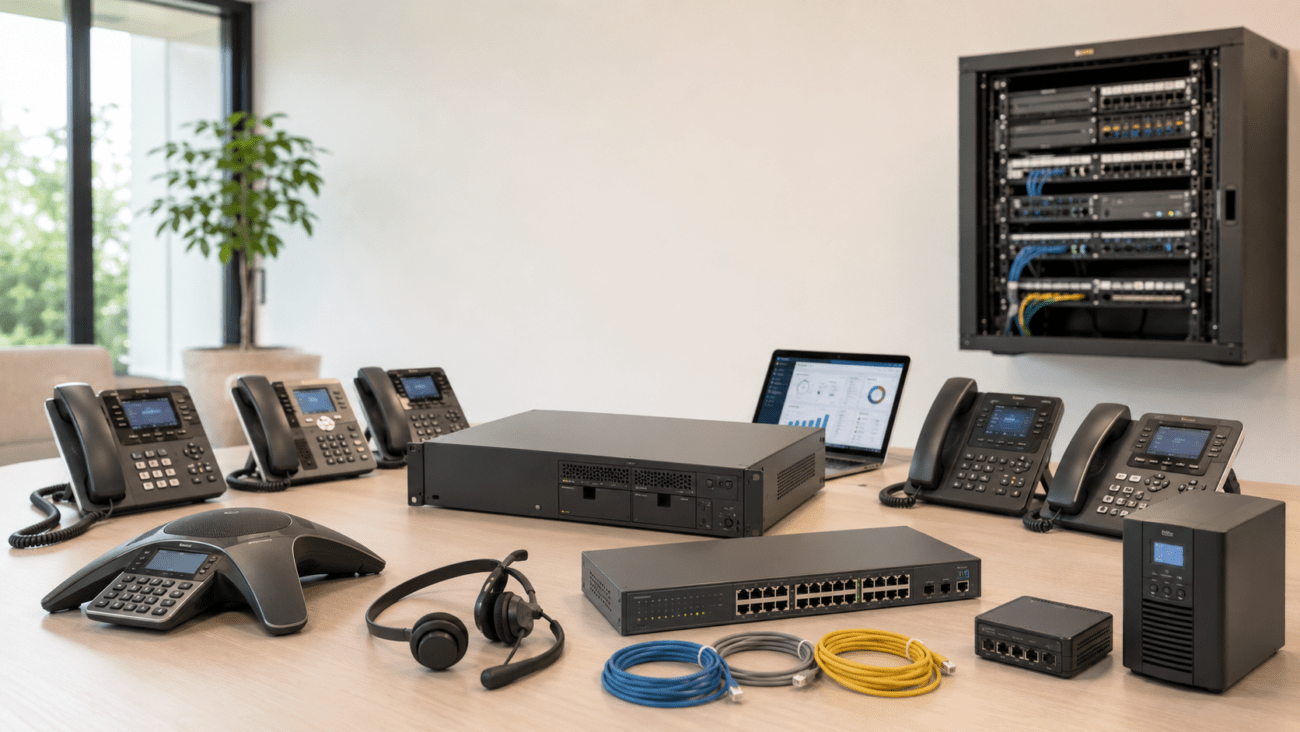
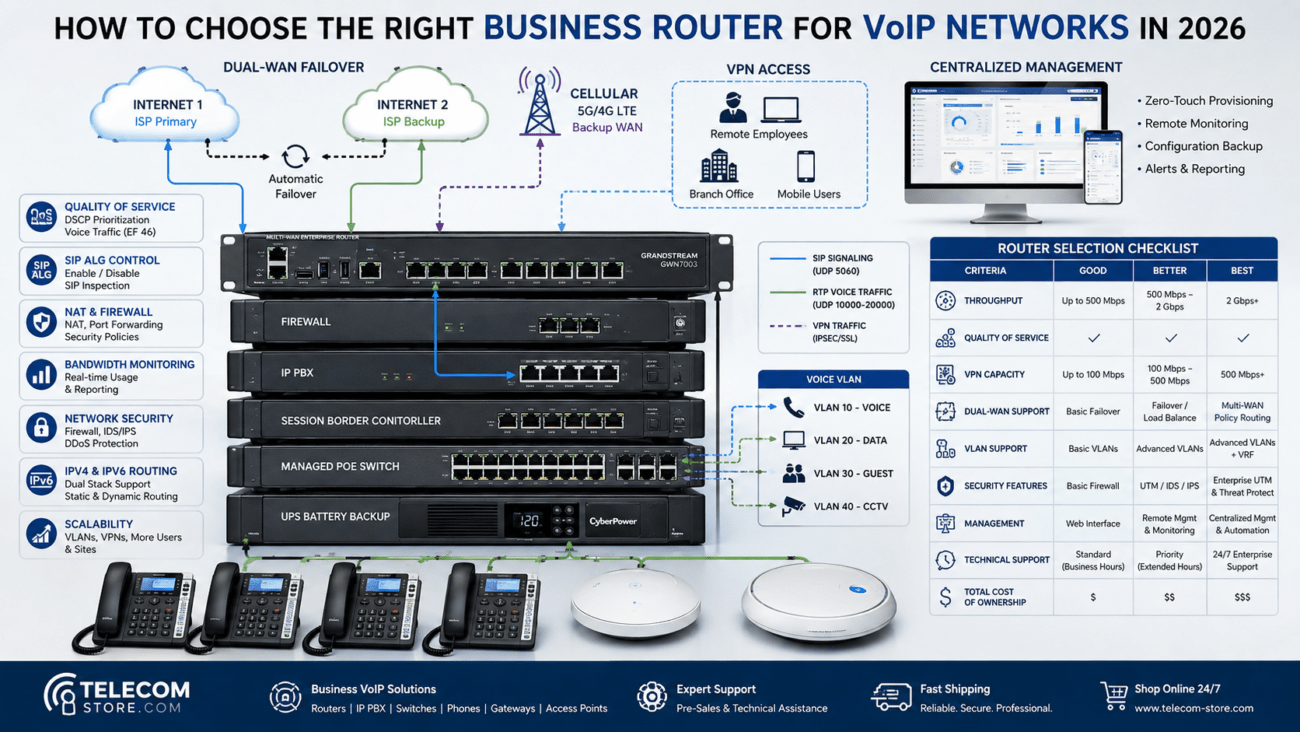
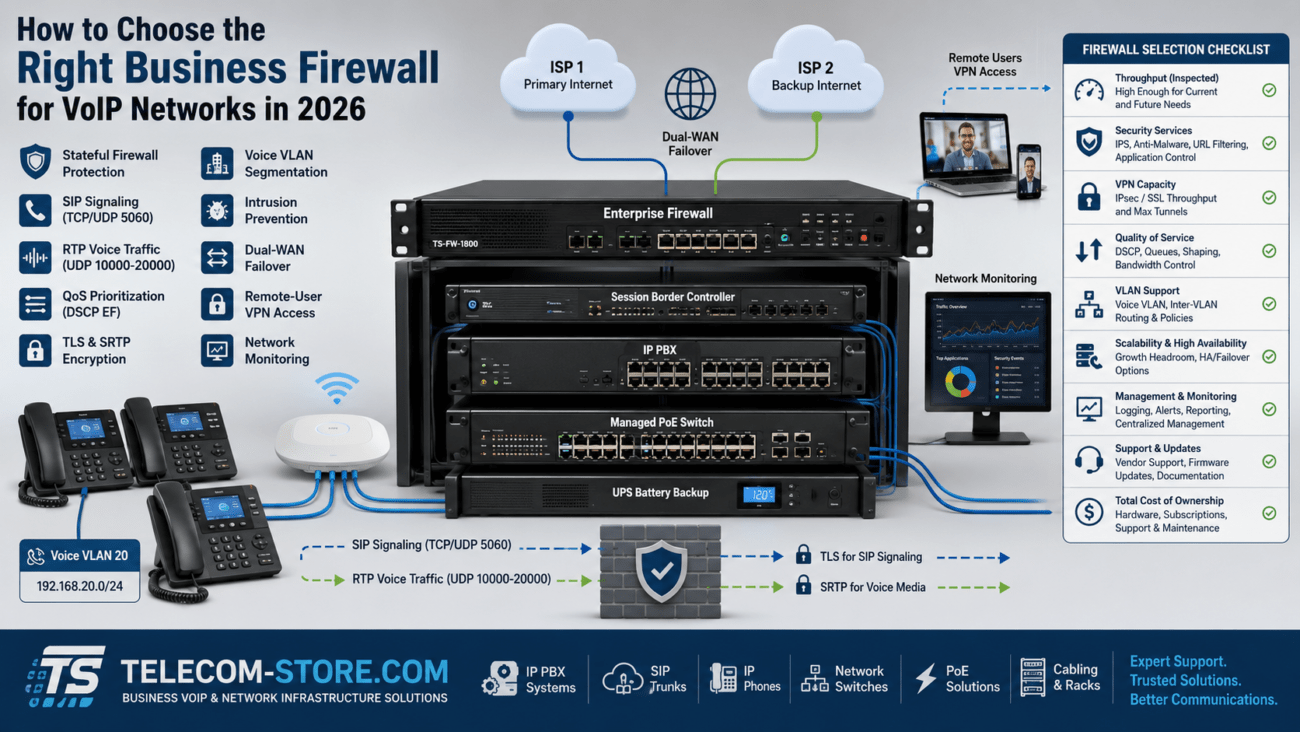
Integrate call stations with existing systems where possible. For VoIP, connect via your structured cabling and use PoE switches for simple installs. For paging or site-wide alerts, emergency units can trigger notifications across your paging system as well.
If you’re planning a new warehouse or office build, check with your IT team or integrator early about SIP compatibility, and choose hardware that matches your phone and network standards. For legacy PBX setups, choose proven analog models or consider gateways to future-proof the investment.
Frequently Asked Questions
- Where should an emergency call box be installed in a facility?
- Key locations include main doors, warehouse floor areas, parking lots, elevator lobbies, stairwells, and any remote or high-risk work locations where someone may need help quickly.
- Can emergency call boxes work with VoIP and SIP PBX systems?
- Yes. Modern SIP models register directly with most VoIP and IP PBX platforms. Always review compatibility for your network and phone provider.
- Are emergency call boxes required to be ADA compliant?
- Often yes, especially in commercial and public settings. Look for ADA-certified options to meet local regulations and provide equal access.
- How do you maintain emergency call stations?
- Conduct routine tests (monthly is standard), visually inspect for damage, confirm reliable network or line connection, and update your response plans if personnel changes.
- Can emergency help phones operate in outdoor or harsh environments?
- Yes. Use weatherproof and vandal-resistant models, rated for their intended environment (look for IP or NEMA ratings).
Choosing the right emergency call solution means safer facilities for all—employees, visitors, and contractors. If you need help matching equipment to your current VoIP, IP PBX, or paging infrastructure, contact us for advice or browse our VoIP phones and emergency communication products.