VoIP vs Landlines: What Businesses Should Use in 2026
Businesses evaluating communication systems often face a common question: should I switch to VoIP for my business or continue using traditional landlines?
While landline systems have been reliable for decades, VoIP phone systems have become more widely adopted due to flexibility, scalability, and integration with modern networks. Understanding the differences helps determine the best business phone system for 2026.
What Is a Landline Phone System?
Landline systems use traditional copper wiring and connect through the public switched telephone network (PSTN). These systems are known for stability and straightforward operation.
A typical example includes corded or cordless desk phones such as:
AT&T TL86109 Corded/Cordless Phone with DECT 6.0 Tech
Accessories like:
Panasonic KX-TGWA40B Wireless 4-Line Corded Desktop Phone
can expand functionality within traditional setups.
What Is a VoIP Phone System?
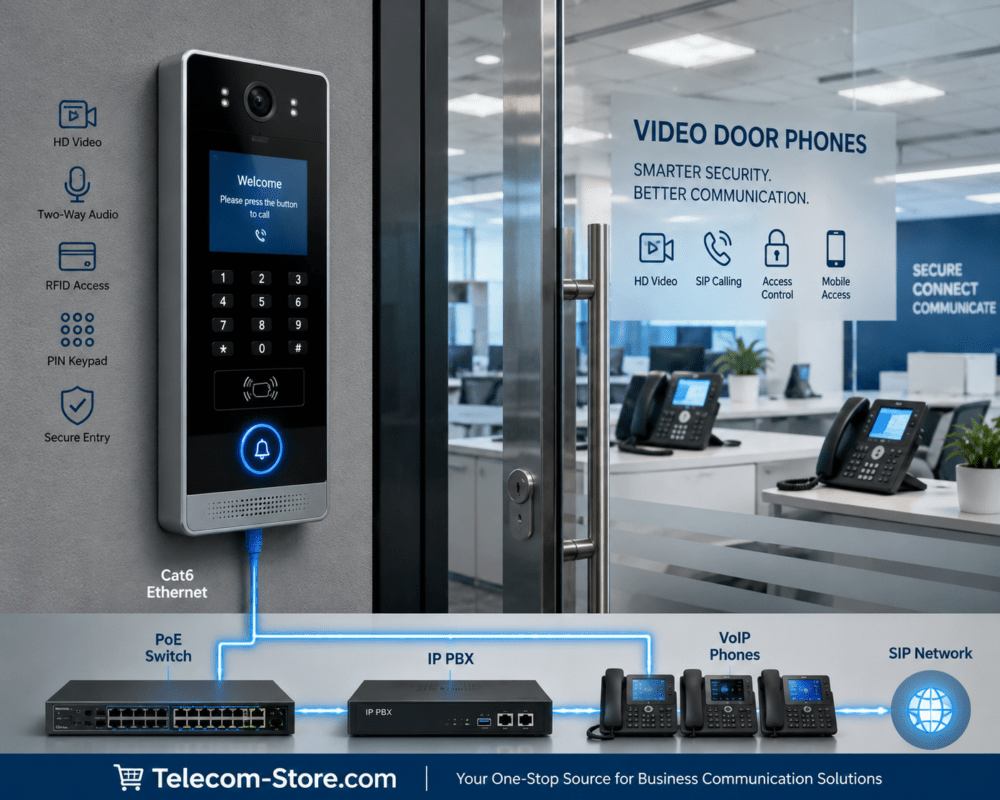
VoIP (Voice over Internet Protocol) uses an internet connection to transmit voice calls instead of dedicated phone lines. This allows voice, video, and data to operate on the same network.
Modern VoIP devices include IP phones such as:
Yealink SIP-T54W Business Phone 4.3″ HD Display, 10 Lines
and advanced models like:
Yealink SIP-T58W Smart Media Android HD Phone – 7″ Touchscreen
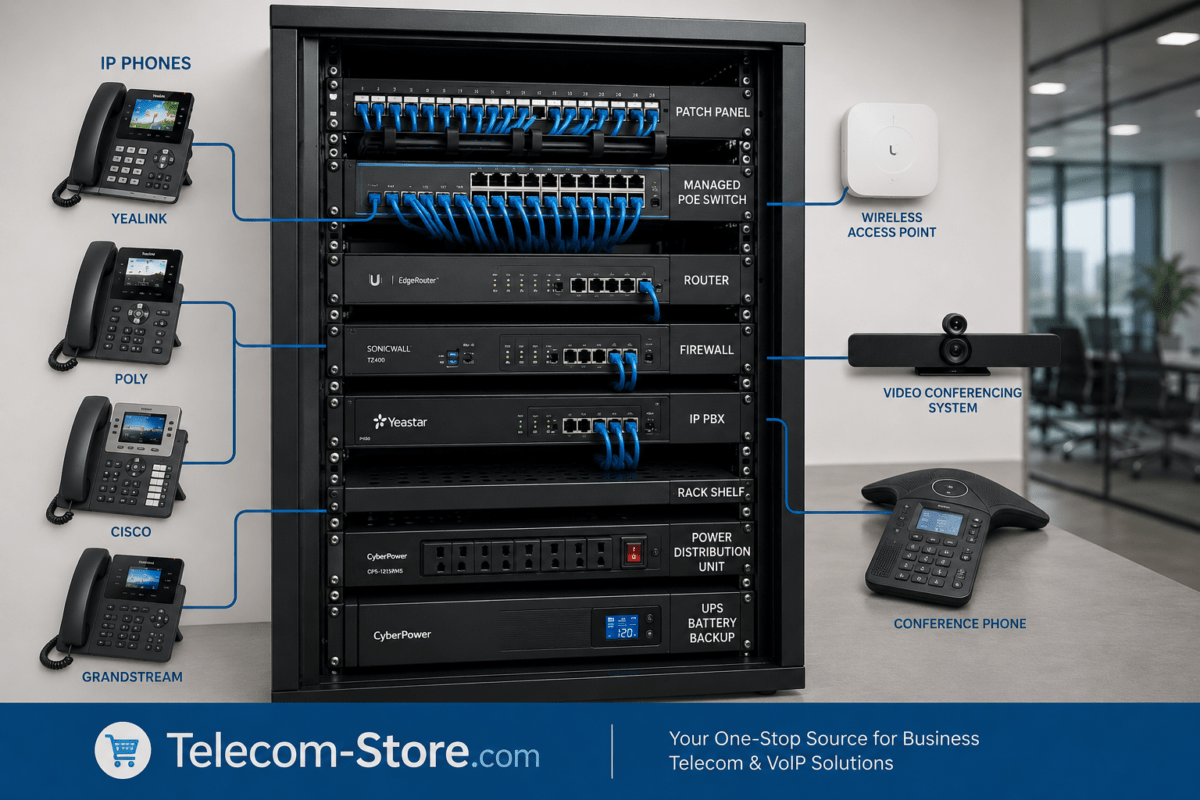
These systems integrate with IP PBX platforms and cloud-based communication services.
Cost of VoIP vs Landline
Cost is a major factor when comparing systems.
Landline Costs
- Monthly line charges per phone
- Limited scalability
- Maintenance costs for aging infrastructure
VoIP Costs
- Typically lower monthly service fees
- Uses existing network infrastructure
- Easier to scale without adding physical lines
For many businesses, replacing landline with VoIP reduces long-term operational costs, especially as the number of users increases.
Features and Flexibility
Landline Features
- Basic calling functionality
- Limited advanced features
- Minimal integration with other systems
VoIP Features
- Call forwarding and routing
- Mobile app integration
- Video conferencing
- Voicemail-to-email
VoIP systems also support accessories such as:
Plantronics SAVI 7220 DECT Office Headset with 12hr Talk Time
and conference solutions like:
Yealink CP935W DECT Wi-Fi Conference Phone w/W70B Base
These enhance collaboration and communication efficiency.
Scalability and Growth
Landline systems require:
- Physical line installation
- Hardware upgrades
VoIP systems allow:
- Adding users quickly
- Scaling across multiple locations
- Remote workforce support
This makes VoIP more adaptable for growing businesses.
Reliability Considerations
Landlines are often viewed as more reliable because they do not depend on internet connectivity.
However, modern VoIP systems can achieve high reliability with:
- Stable internet connections
- Redundant network setups
- Backup power solutions
Businesses should evaluate their network infrastructure when deciding between the two options.
Setup Requirements
Landline Setup
- Requires copper wiring
- Limited flexibility in placement
- Often tied to physical locations
VoIP Setup
- Requires internet connectivity
- Uses Ethernet or WiFi
- Often powered via PoE
Proper network setup is critical for VoIP performance, including bandwidth management and Quality of Service (QoS) configuration.
Compatibility Considerations
When choosing a system, consider:
- Compatibility with existing infrastructure
- Integration with business applications
- Device support and firmware updates
VoIP systems generally offer broader compatibility with modern technologies compared to traditional landlines.
Limitations of Each System
Landline Limitations
- Limited features
- Higher long-term costs
- Reduced flexibility
VoIP Limitations
- Dependent on internet quality
- Requires network configuration
- Potential latency if not properly managed
Understanding these limitations helps businesses make informed decisions.
Should You Switch to VoIP for Your Business?
The decision to switch depends on several factors:
- Business size
- Budget
- Existing infrastructure
- Communication needs
For many organizations, VoIP offers a more flexible and scalable solution, particularly when combined with a well-designed network.
Working with Business VoIP Providers
Choosing the right provider is essential for successful implementation.
A company such as:
Axion Communications
can assist with selecting equipment, configuring networks, and ensuring reliable communication performance.
Practical Tips for Choosing the Right System
- Evaluate current and future communication needs
- Consider total cost of ownership
- Assess network readiness
- Plan for scalability
- Test equipment before full deployment
Conclusion
VoIP and landline systems each offer distinct advantages. Landlines provide simplicity and stability, while VoIP systems offer flexibility, scalability, and integration with modern business tools.
For businesses planning for growth and adopting newer technologies, VoIP systems often provide a more adaptable solution. However, the right choice depends on individual operational requirements and infrastructure readiness.
FAQ Section
Should I switch to VoIP for my business?
Switching to VoIP depends on your business needs. VoIP offers flexibility and lower costs, but requires a stable internet connection and proper network configuration.
What is the cost difference between VoIP and landlines?
VoIP typically has lower monthly costs and reduces the need for physical infrastructure, while landlines often involve higher ongoing expenses.
Is VoIP reliable for business use?
VoIP can be reliable when supported by a strong network, proper bandwidth management, and backup systems.
What equipment is needed for a VoIP phone system?
A VoIP system typically requires IP phones, a router, and a stable internet connection. Additional equipment may include switches and PoE devices.
Can I keep my existing phones when switching to VoIP?
Some analog phones can be used with adapters, but many businesses choose to upgrade to IP phones for better functionality.
How does VoIP handle power outages?
VoIP systems may require backup power solutions, such as UPS systems, to maintain operation during outages.
Are landlines becoming obsolete?
While still in use, many businesses are transitioning to VoIP due to increased flexibility and cost advantages.
What is the best business phone system in 2026?
The best system depends on your needs, but VoIP solutions are increasingly common due to scalability and integration capabilities.