Best Door Phones for Security and Access Control (2026)
Door phones have become an important part of modern business security systems. Instead of relying on traditional doorbells or manual access control, businesses can use VoIP-based door phones to manage entry, verify visitors, and integrate directly with their communication systems.
This approach allows organizations to control access points more efficiently while maintaining clear communication between visitors and staff.
What Is a Door Phone?
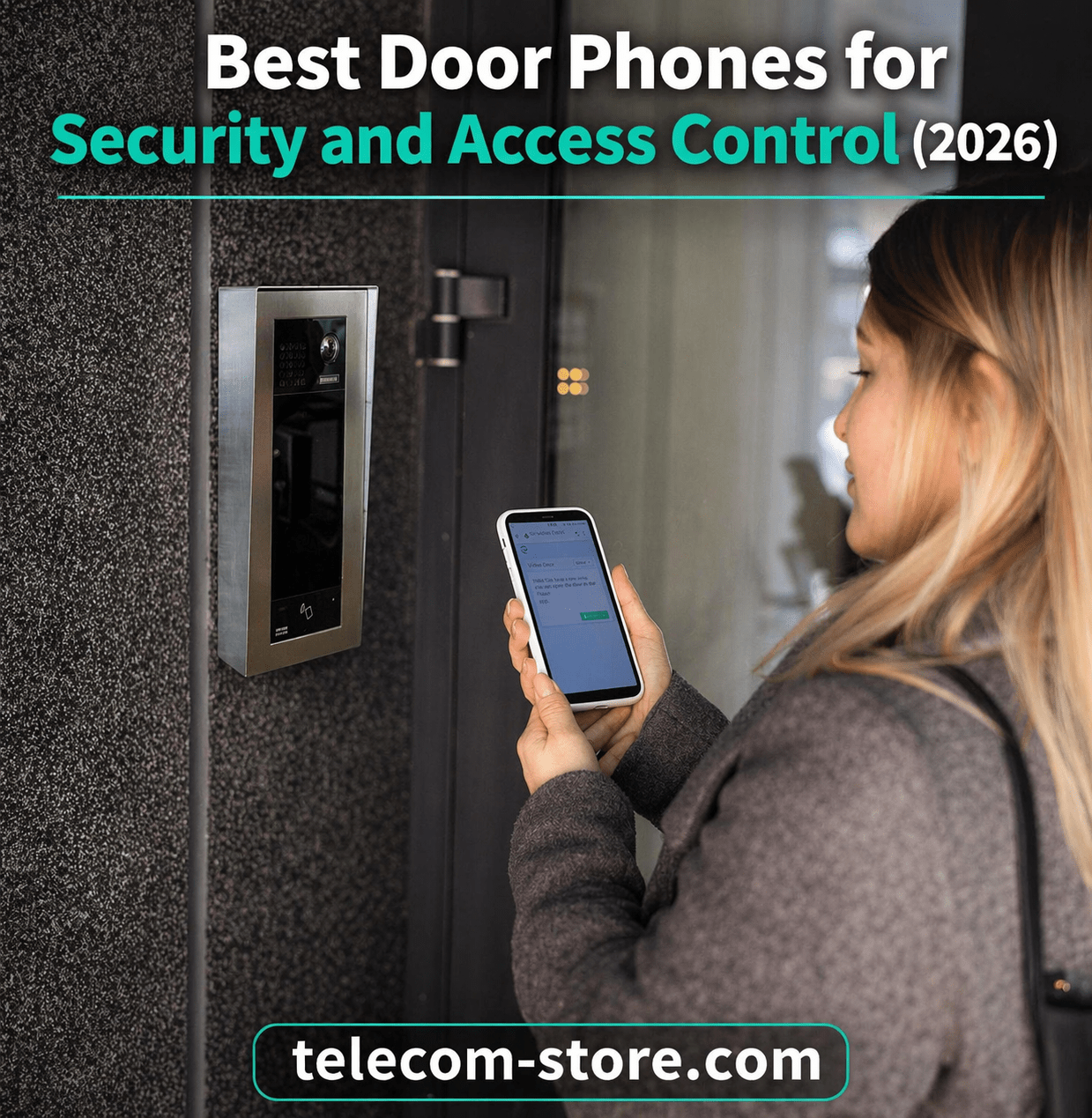
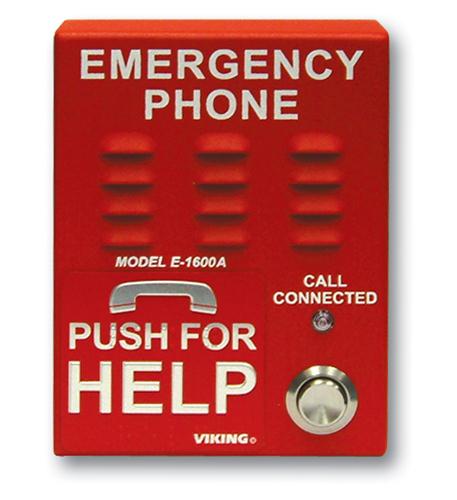
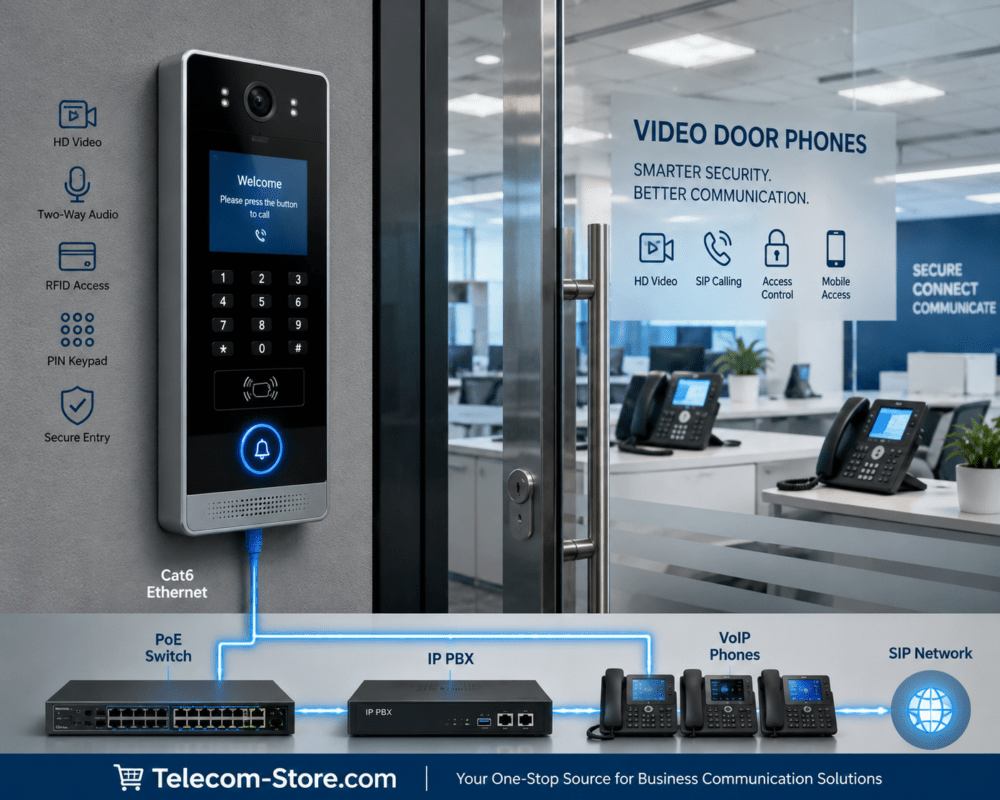
A door phone is a communication device installed at an entry point that allows visitors to contact someone inside a building. Most modern systems connect to a VoIP network or IP PBX, enabling calls to desk phones, mobile devices, or softphones.
Many systems also include additional features such as video, keypad entry, and remote door unlocking. These capabilities make door phones suitable for a wide range of business environments, from small offices to multi-site facilities.
Why Door Phones Matter for Business Security
Door phones help businesses manage access in a controlled and structured way. Instead of granting unrestricted entry, staff can verify visitors before allowing access.
They also improve response times by enabling real-time communication. Visitors can quickly reach the appropriate person, and employees can respond without leaving their workspace.
Because these systems integrate with VoIP infrastructure, calls can be routed to multiple users or departments. This flexibility supports better coordination, especially in larger environments.
Types of Door Phones
Door phones are available in several configurations depending on the level of functionality required.
Analog door phones connect to traditional phone systems and are generally simpler in design. While they are still used in some environments, they offer limited features compared to modern systems.
IP-based door phones connect directly to a network and support advanced capabilities such as video communication, remote management, and integration with access control systems. A flush-mounted option like this provides a clean and integrated installation:
Valcom VC-VIP-172AL-ST IP Intercom Flush Mount SIP Doorphone
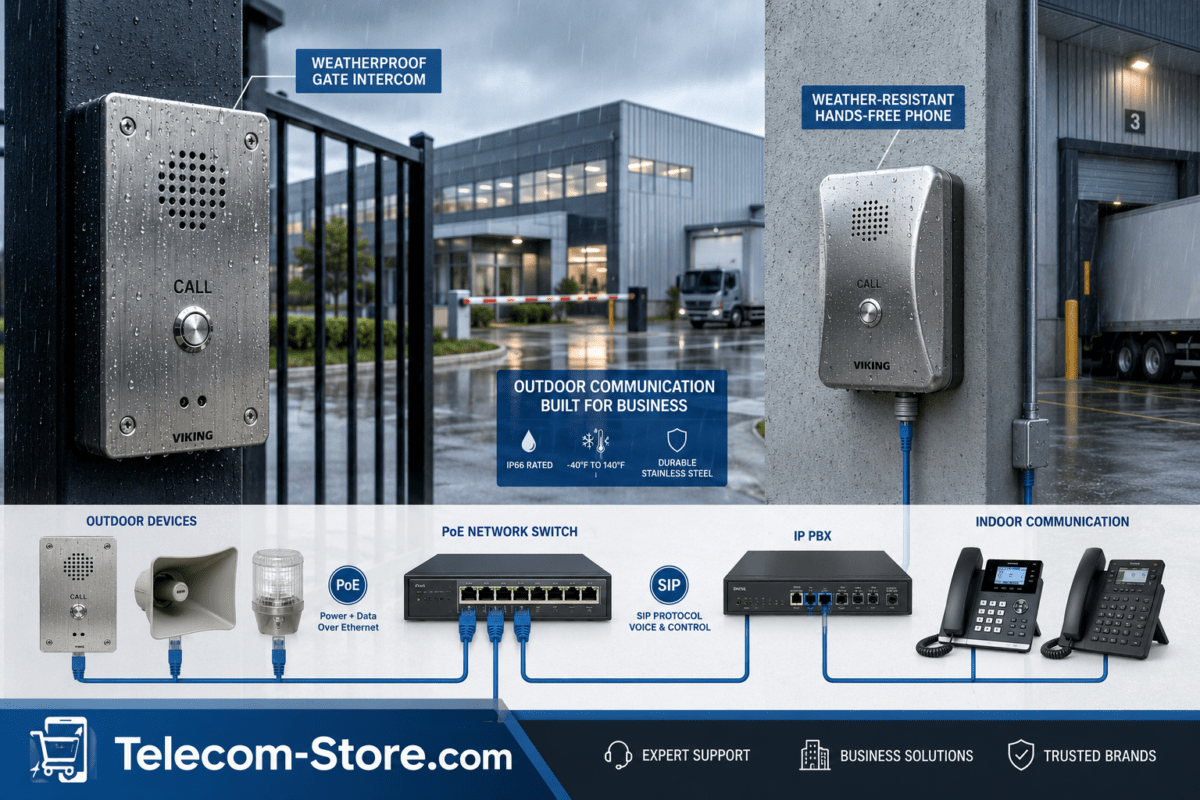
Weather-resistant door phones are designed for outdoor use. These units are built to withstand exposure to rain, dust, and temperature changes. An example of a durable outdoor solution can be found here:
Viking W-3000 EWP Vandal Resistant Stainless Steel Phone
Door Phones and Access Control
Door phones are often part of a broader access control system. Instead of operating independently, they can trigger door locks, gates, or security systems when access is granted.
Some systems include keypads or card readers, while others rely on remote control through a VoIP phone or mobile device.
A solution designed for integrated access control can be seen here:
Viking VK-C-200 Door Entry Control for 4 Phones
This type of system allows businesses to define how and when access is granted, improving overall security.
How Door Phones Work with VoIP Systems
VoIP door phones use SIP protocols to connect to your network. When a visitor presses a call button, the system places a call to a predefined extension, group, or external number.
This allows the door phone to function like any other endpoint in your communication system. Calls can be answered using desk phones, mobile apps, or softphones.
Many businesses integrate door phones with SIP-enabled desk phones, such as those available here:
Algo SIP Door Phone Gen 2 PoE Network Endpoint ALG-8028
This creates a unified communication environment where access control and voice communication are handled together.
Network and Setup Requirements
Door phones depend on your network infrastructure, so proper planning is important.
A stable network connection is required for reliable operation. Quality of Service (QoS) settings should be configured to prioritize voice traffic and ensure consistent call quality.
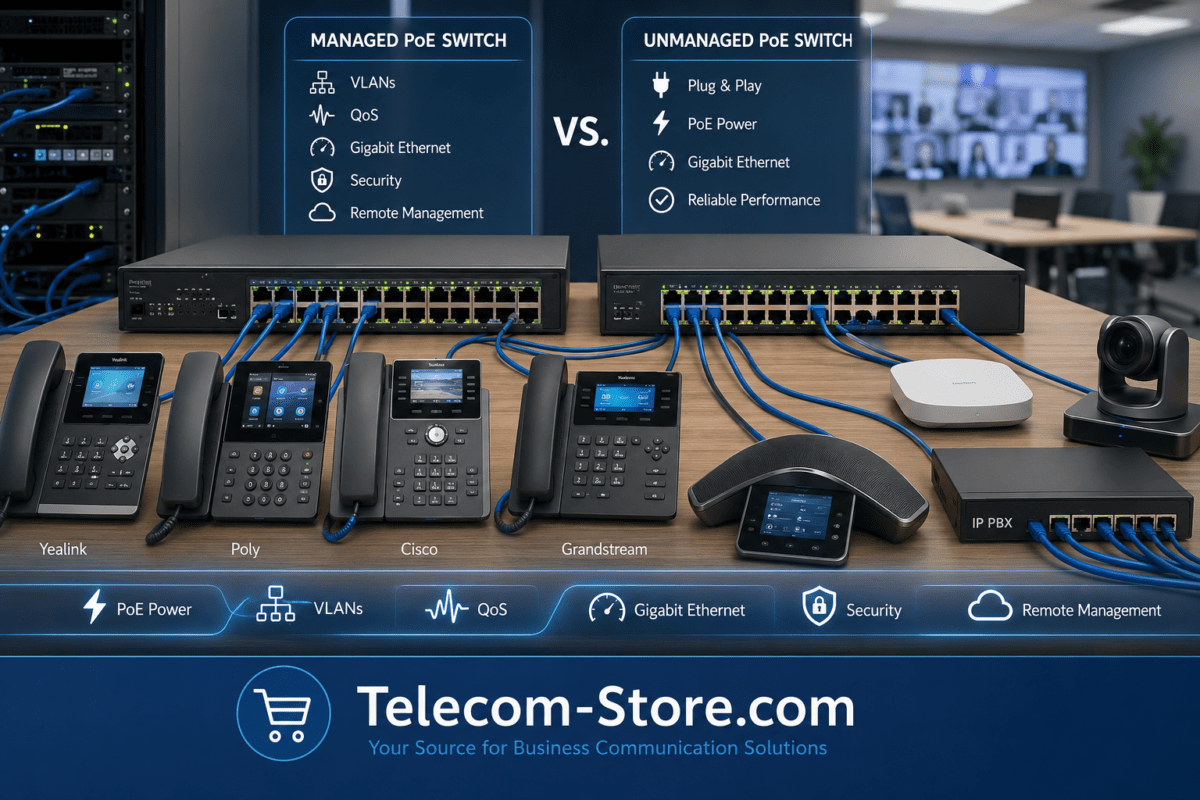
Many IP door phones use Power over Ethernet (PoE), which simplifies installation by combining power and data into a single cable.
Depending on the environment, additional configuration may be required, including VLAN setup or integration with existing security systems.
Compatibility Considerations
Before selecting a door phone, it is important to verify compatibility with your existing systems.
Most modern devices support SIP, which allows integration with a wide range of PBX platforms. However, differences in firmware, feature support, and configuration methods can affect performance.
A standard SIP-based unit like this can be used in many environments:
Bogen BG-ADP1 Door Phone – Secure Indoor/Outdoor Access
Ensuring compatibility in advance helps avoid configuration challenges during deployment.
Limitations to Consider
Door phones offer significant advantages, but there are some limitations to be aware of.
Installation may require coordination between network and security systems. Video-enabled models can require additional bandwidth. Outdoor units may need periodic maintenance depending on environmental conditions.
Some advanced features may also require additional configuration or supporting hardware.
Understanding these limitations helps ensure a smoother implementation process.
How Door Phones Fit Into Business Communication
Door phones are not just security devices. They are part of a broader communication system that includes VoIP phones, IP PBX platforms, and network infrastructure.
By integrating these systems, businesses can manage both communication and access control through a single platform. This reduces complexity and improves operational efficiency.
Organizations that need assistance with system design or integration can work with providers such as:
Axion Communications
to ensure proper configuration and long-term reliability.
Practical Tips for Choosing a Door Phone
Identify all entry points that require monitoring and determine the level of security needed for each location. Consider environmental conditions when selecting hardware, especially for outdoor installations.
Evaluate whether video, keypad access, or remote unlocking is necessary. Ensure your network can support the system, and test performance before full deployment.
Planning for future expansion is also important, particularly for businesses expecting growth or additional locations.
Conclusion
Door phones provide a practical way to manage access and improve security in business environments. By combining communication and access control, they allow organizations to verify visitors and respond quickly.
The right solution depends on your network, environment, and operational requirements. With proper planning and integration, door phones can become a reliable part of your overall security and communication strategy.
FAQ Section
What is a door phone and how does it work?
A door phone is a communication device installed at an entry point that allows visitors to contact someone inside a building. It connects to a VoIP system or PBX and enables audio or video communication. Some systems also support remote door unlocking and access control integration.
Are door phones secure for business use?
Door phones improve security by allowing businesses to verify visitors before granting access. When integrated with access control systems and VoIP networks, they provide an additional layer of protection. Proper configuration and network security are important for reliable operation.
Can door phones work with VoIP systems?
Most modern door phones are SIP-compatible and integrate with VoIP systems. This allows them to route calls to desk phones, mobile devices, or call groups, making them flexible communication tools for businesses.
Do door phones require internet access?
IP-based door phones require network connectivity to function. They typically connect through a local network and communicate with an IP PBX or VoIP provider. A stable connection helps maintain consistent performance.
What features should I look for in a door phone?
Key features include audio communication, video capability, weather resistance, and access control integration. The right features depend on your business environment and security requirements.
Can door phones unlock doors remotely?
Many door phones support remote unlocking through integration with access control systems. This allows authorized users to grant entry from a desk phone or mobile device.
Are outdoor door phones weatherproof?
Some door phones are designed for outdoor use and include weather-resistant features. These models are built to withstand exposure to rain, dust, and temperature changes.
How do door phones integrate with access control systems?
Door phones connect to access control systems through relays or network integration. This allows them to trigger locks or gates when access is granted.