Electronic Game Calls for Modern Hunting Setups

Electronic Game Calls for Modern Hunting Setups: What to Know Before You Choose
Electronic game call systems have changed the way hunters and wildlife managers approach predator hunting, turkey or duck scouting, and field observation. If you’re outfitting a modern hunting setup—whether for business, land management, or experienced recreation—digital calls offer real benefits, but selection and practical use require careful decision-making. This guide explains the technology, common use cases, and practical advice to help you set up the right electronic game call kit for your field environment.
Electronic Game Calls at a Glance
| Feature | What to Look For | Best For |
|---|---|---|
| Sound Library | Preloaded predator, turkey, waterfowl, prey calls; SD card expansion | Versatility for multi-species hunts, field trials |
| Remote Operation | Wireless remote with 50–300 yard range (model dependent) | Predator control, setups where concealment is key |
| Power & Portability | Rechargeable or replaceable batteries, lightweight design | All-day hunts, remote setup swaps |
| Weather Resistance | Rugged, waterproof or water-resistant housings | Rain/snow conditions, high-humidity areas |
| Volume & Audio Clarity | Loud speaker, clear sound output; external speaker jacks | Coyotes in open terrain, dense forests, wind-prone areas |
| Legal Compliance | Check state/federal restrictions—rules differ by state and season | Turkey, waterfowl, predator hunting, wildlife management |
Buyer-Focused Field Tips: Getting Started
If you’re looking for the right electronic game call setup, consider these quick answers:
- Who should choose a digital game caller? Experienced field hunters, land managers, and wildlife professionals who need consistent, varied sounds and the ability to reposition calls for better concealment or strategic decoying.
- What to check before you buy:
Will you use it for predators, turkeys, or duck setups? Verify your local wildlife laws (they can change annually). Check supported sound types, remote distance, battery type (AA or lithium), and portability. - Best practices: Never rely solely on electronics—always combine with wind awareness, solid concealment, and backup manual calls.
- Common mistakes: Ignoring battery levels, placing the call too close, not scouting how sound travels in your specific terrain, and forgetting to check your SD cards before a trip.
Understanding Electronic Game Calls
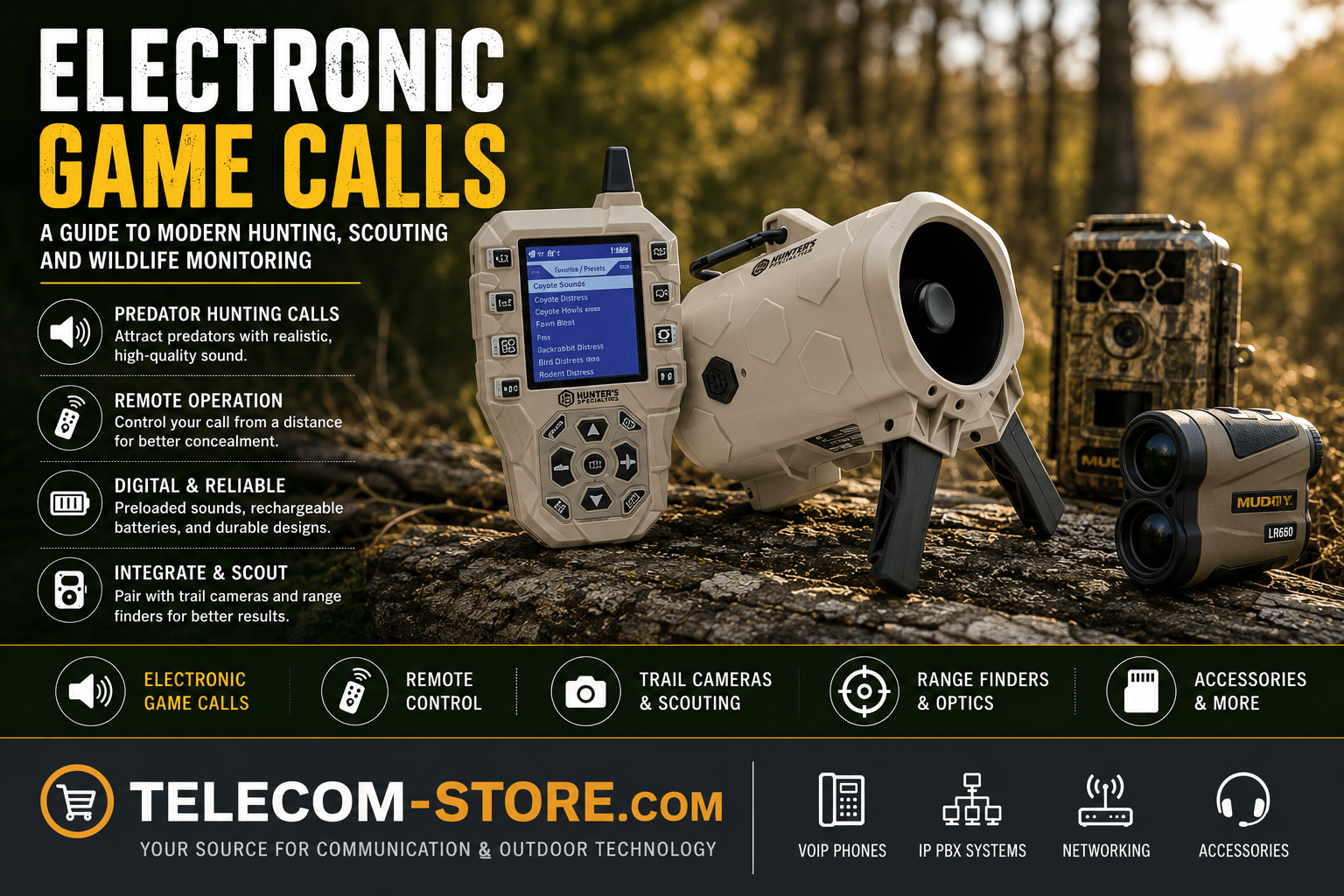
Modern electronic game calls reproduce authentic animal sounds using digital files and high-output speakers. Categories include distress calls, locator sounds, prey movements, and specific game vocalizations. Choose devices with programmable or expandable libraries, especially if you plan to hunt multiple species through the year.
Applications include:
- Predator hunting (coyote, fox, bobcat, wild hog)
- Turkey, duck, and waterfowl setups (where legal)
- Wildlife management, research, and non-lethal monitoring
- Game scouting combined with trail cameras and range finders
Using an electronic call reduces manual effort, allows sound projection in strategic directions, and creates additional concealment—especially important for sharp-eyed predators.
Predator Hunting Calls and Wildlife Strategy
Bought for predator hunting, digital callers allow you to project distress sounds such as rabbit or rodent squeals, or even coyote yelps and territorial barks, far from your stand. Models like the Western Rivers Remote Game Caller let you place the sound source 100-200 yards away—distracting keen-sensed animals away from your scent or movement. This is especially helpful on open ground or at night.
What to avoid: Don’t stick to one sound for too long. Vary call sequences every 10–20 minutes, and pay careful attention to changing wind, terrain, and the timeliness of sounds. Move your caller if needed—and never forget to set it up upwind of your own location to minimize scent overlap with approaching animals.
Electronic Turkey and Duck Call Applications
Electronic turkey calls can help with scouting or training, but are often restricted during hunting seasons. Review your state regulations—some only allow these devices for education or management purposes.
Effective turkey calls simulate hen yelps, gobbler clucks, and assembly calls. For ducks, keep in mind that electronic calls are mostly for off-season scouting or research. Use natural cover and minimize human scent and disturbance around electronics for best results.
Remote Hunting Call Technology: What Sets Modern Devices Apart
Look for game callers with wireless remotes and programmable playback. Long-range remotes simplify setup: you can choose volume, call sequence, and timing without moving from your stand. Terrain, trees, and even battery type all affect maximum range. In heavy brush or hills, always test your signal before your first hunt.
Popular options like the Hunter’s Specialties RGC Electronic Game Caller deliver up to 50 unique calls. For larger setups with multiple locations or group hunts, choose something rugged and easy to reset between stands.
Choosing the Right Digital Game Caller: Features to Compare
- Battery runtime: Will it last all day? Carry spares or a power pack in cold weather.
- Speaker output: Louder is not always better—match output to your field with natural limitations in mind.
- Preloaded or expandable sound library: The more flexible, the better for varying hunt strategies.
- Build quality: Look for weather-sealed cases if you hunt wet or dusty climates.
- Portability: Heavier systems may tire you out on long hikes—check weight if you regularly move stands.
- SD card support and viewing options: Helps with fast, easy swaps after each hunt.
Integrating Game Calls with Trail Cameras and Wildlife Monitoring
You’ll get best value by pairing callers with reliable cellular trail cameras, like the Muddy MTRX2 or Muddy TRF180. Place cameras overlooking the sound projection area to spot approach patterns, reactions, and times of peak animal activity. Use cellular cameras to reduce human impact, and always camouflage or place both call and camera out of direct sun glare for best clarity.
Tip: Test all electronics in daylight before first field use—you don’t want surprise battery or SD failures when action is happening.
Distance Management: Range Finders in Hunting Setups
Knowing your exact distance to the call or target area improves safety and accuracy—especially with firearms or in bowhunting. Laser range finders such as the Muddy LR650 or Muddy LR450 let you choose correct call placement and judge terrain with confidence. Scan mode is useful for field edges and tracking animal movement.
Reviewing Field Footage—The Role of SD Cards and Viewers
SD card viewers like the StealthCam 1080P make it easy to review camera footage in the field—no laptop needed. Always format your cards before each trip, and save important files to a backup as soon as you return. Carry a pouch with extra cards and batteries for minimal downtime between stands.
Outdoor Electronics: Integrating Calls, Cameras, and Connectivity
Modern hunting electronics now connect with more than just audio. For advanced setups, look for gear that supports mobile app connections, wireless monitoring, and even automated equipment like solar or battery power modules. Stay tuned to developments from organizations such as Axion Communications for broader infrastructure news, and shop upgrades at Telecom-Store.com when you need integrated outdoor technology.
Key Buying Considerations: Making the Right Choice
- Target species: Match calls and accessories to your most frequent game—one caller doesn’t fit all.
- Regulatory compliance: Double-check laws every year—some states change restrictions frequently based on game populations and research.
- Weather and terrain: Go for rugged construction if you hunt in extreme or wet conditions.
- Remote range: Choose a model that matches your typical field distances; more isn’t always necessary in brush or tight spaces.
- Battery life: Pay attention in cold weather—some batteries drain faster and spare packs are essential.
- Ease of use: Complicated programming can slow you down. Practice your equipment at home before your first trip.
Avoid mistakes by setting up in advance, regularly updating your sound libraries, and always bringing backup batteries and SD cards.
FAQ: Electronic Game Calls and Field Use
No, regulations vary widely by state, hunting season, and species. Always check state and federal wildlife laws before using digital or electronic calls for any game.
Key features include remote operation range, loudness and sound clarity, programmable or preloaded libraries, weather resistance, battery life, and portability.
Yes, many hunters position digital calls in the field and use cellular or remote trail cameras to monitor animal movement and reactions, reducing disturbance and scent trails.
Consider your target species, battery needs, portability, sound options, ruggedness, regulatory compliance, and field compatibility. Check whether extra features like SD card support or Bluetooth fit your field workflow.
Mistakes include placing the call too close, ignoring wind or terrain, overusing similar sounds, not checking battery life, or failing to cross-check local regulations.
Look for calls offering coyote vocalizations, rabbit or rodent distress, good volume, and weatherproof builds. Remote operation is especially useful for coyotes.
Final Thoughts: Setting Up for Success
Electronic game calls are a practical tool for hunters, guides, and land managers looking for flexible and effective animal attraction, predator control, and wildlife monitoring solutions. Match your equipment to your needs, choose supporting electronics like trail cameras and range finders wisely, and always check the latest regulations. With planning and the right setup, modern digital callers help you adapt quickly and maximize field time—without sacrificing control or compliance.