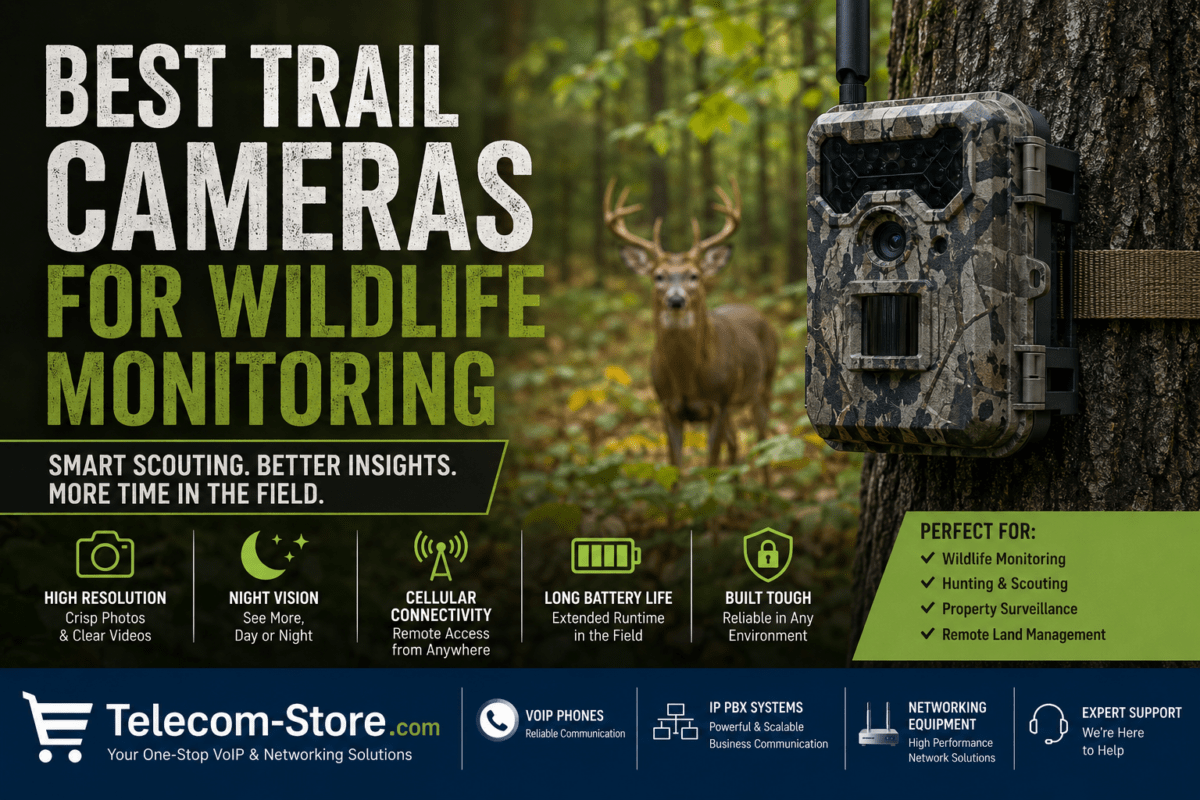
Stealth Cam Trail Cameras: Real-World Monitoring for Wildlife, Security, and Rural Operations
Stealth Cam trail cameras have quickly become essential tools, not just for hunters, but for property owners, land managers, farmers, and anyone who wants to watch over remote locations without being there in person. With advances in cellular and battery technology, you can keep an eye on wildlife, monitor trespassers, or secure farm equipment with less hassle than ever before.
Who benefits from Stealth Cam trail cameras?
- Hunters organizing stand locations or tracking game activity
- Landowners wanting evidence of trespass or property access
- Farmers/livestock managers monitoring pastures and remote barns
- Construction managers watching over job sites, machinery, or fuel tanks
- Business owners overseing rural gates, perimeters, or sensitive areas
- Wildlife enthusiasts or researchers studying animal patterns with minimal disturbance
Key advantages of modern trail cameras:
- Remote, automated monitoring—see what’s happening without physical site visits
- Instant cellular alerts for movement, intrusion, or wildlife
- Battery and solar options minimize maintenance
- High-resolution images and video for clear identification
- Flexible location placement, even in hard-to-reach or off-grid settings
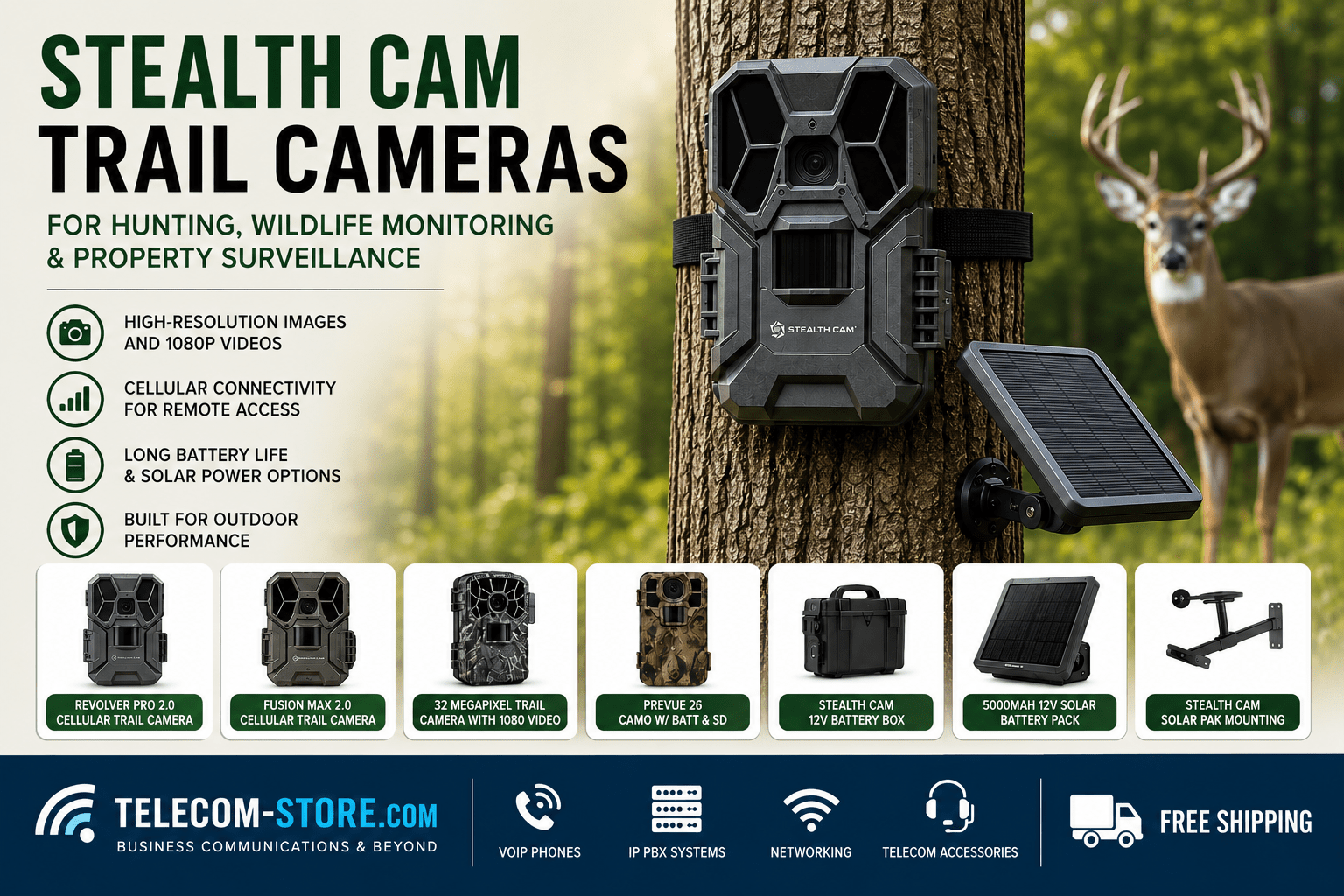
Compare Stealth Cam Trail Camera Models
| Model |
Connectivity |
Photo/Video |
Best Use |
Power Options |
| Revolver Pro 2.0 |
Cellular |
High-res images & video |
Large areas, fast notification, property/lease monitoring |
Battery, Solar, External 12V |
| Fusion Max 2.0 |
Cellular |
Image, short video |
Remote hunting, agriculture, construction |
Battery, Solar, External 12V |
| 32MP Trail Camera |
SD Card |
32MP photo, 1080p video |
Site visits possible, simple installs |
Battery |
| Prevue 26 |
SD Card |
26MP photo, video |
Entry-level, backyards, short-term |
Battery |
Cellular Trail Cameras: Great for Remote and Large Properties
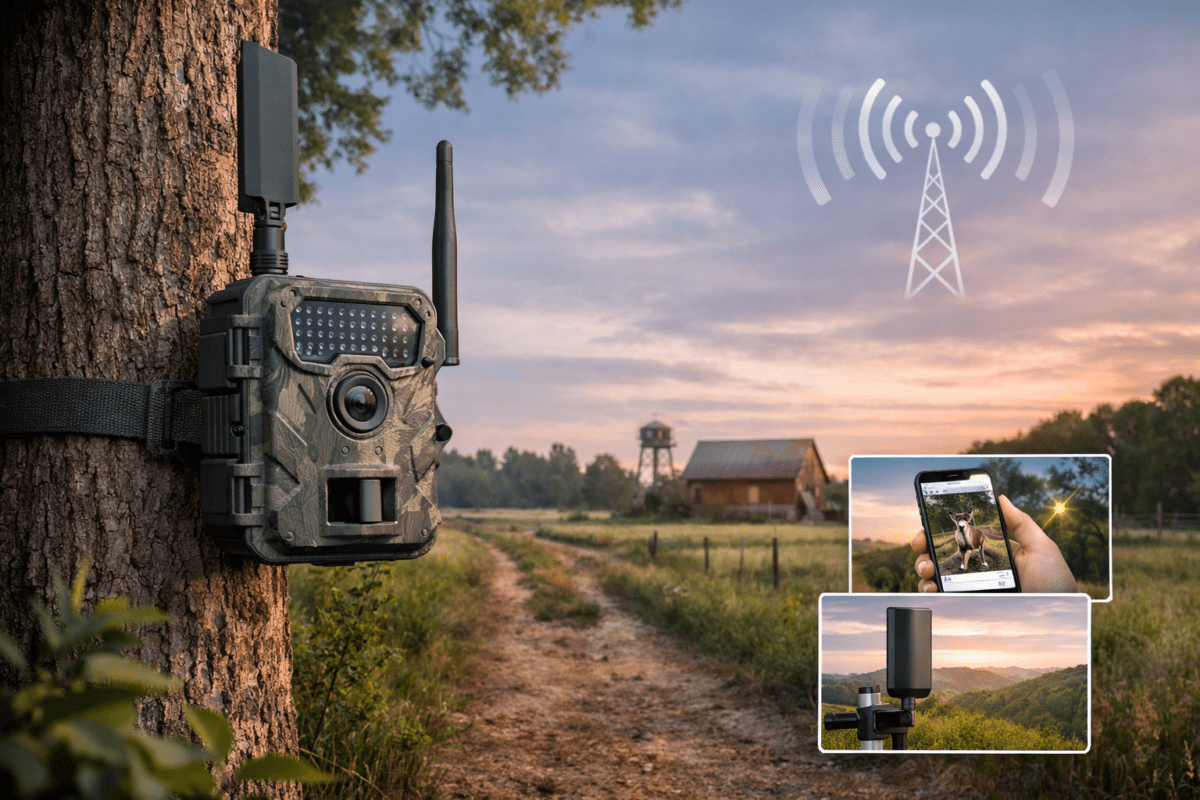
Cellular models like the Revolver Pro 2.0 and Fusion Max 2.0 use SIM cards to send images and short clips over the mobile network. For vast properties or locations you visit only occasionally, these cameras reduce travel and immediately alert you to activity. This is especially helpful for hunting leases, construction zones, unattended access gates, or agricultural fields.
Test your cell reception at installation points before committing to a cellular camera. No signal means no remote image delivery—and it’s best to use your phone, on the same carrier as your camera, for a real-world check.
- Lets you verify wildlife or intrusion in near real time
- Acts as a silent alarm system in isolated areas
- Minimizes field disruption for sensitive habitats and reduces spooking animals
Traditional SD Card Trail Cameras: Reliable for Smaller or Easy-to-Access Sites
If frequent site visits are possible or you’re watching a small tract, SD card cameras offer proven simplicity. The 32MP Trail Camera with 1080 Video stores pictures and video locally. No cellular subscription is needed. Just collect the card as needed and review activity at your leisure—or swap cards to minimize downtime.
- Budget-friendly initial cost and no data fees
- Good for landowners with existing routine patrols
- Reliable in areas with poor cellular coverage
The Prevue 26 Camo with Battery and SD kit is an easy entry option for backyard wildlife, gardens, and short-term projects. Its all-in-one bundle gets you up and running fast, ideal for educational or first-time buyers.
Power Your Camera Correctly: Batteries and Solar Charging
Stealth Cam offers multiple power solutions to match your deployment needs. Consider the following options:
For high-activity sites or infrequent access (forest plots, lease boundaries, off-grid barns), a solar solution is usually worth the investment. If you expect high image volumes or have harsh winters, double up with both external battery and solar for peace of mind.
Placement and Mounting: Don’t Skip This Step
Many issues and missed images come from poor placement. Use the dedicated mounting brackets for flexible installation.
- Mount at animal shoulder height for wildlife; higher for people/vehicles
- Avoid facing into sunrise/sunset to prevent glare
- Clear the field of view—remove grass, limbs, or anything that might sway in wind
- Test detection and trigger zones on-site before leaving
- For cellular models, verify strong signal by placing the camera temporarily and sending a test image
Don’t ignore security: camo design, cable locks, and keeping mounting hardware out of easy reach reduce theft risk.
What to Know Before Buying: Buyer Checklist
- Location cellular signal: Confirm coverage with your phone first. Most issues with cellular cameras stem from weak signal or incompatible carriers.
- Desired image resolution: 32MP or higher yields crisp photos, but increases storage and uses more battery.
- Usage goals: Match the camera and features (e.g., night vision, rapid shot, time-lapse) to your application: wildlife, equipment, gates, etc.
- Maintenance access: Choose battery/solar options based on how often you can service the camera.
- Weather & durability: All trail cameras are weather-sealed but check ratings for extreme cold/heat/humidity.
- Data and storage: For business or research, consider cellular and cloud options to organize and share images automatically.
Expanding Monitoring: Beyond Game and Wildlife
The same Stealth Cam technology helps farms, construction crews, and businesses protect assets. We’ve seen customers deploy them on:
- Gates, fence lines, and remote field entrances
- Site perimeters for construction/outbuildings
- Watching fuel tanks or machinery when power is not available
- Vacation cabins to check for break-ins and wildlife while away
If you’d like to bolster your monitoring with IP security systems or need real-time office alerts, PoE network switches are available for powering indoor/outdoor IP cameras or access points. We also carry VoIP phones that support office and field operations at multi-acre sites.
Limitations and Common Pitfalls
- Cellular coverage is a must for remote image delivery—double check before purchasing
- Batteries drain faster with frequent image transmission, video recording, or cold weather
- Solar panels only work well in locations with ample sunlight; deep woods/shade can reduce performance
- Vegetation or sun glare can reduce detection accuracy and image quality
- Cameras are targets for theft/vandalism if visible on popular access trails—use locking mounts/camo
With practical site testing and a bit of planning, most buyers get great results, but avoid rushing installations or ignoring power/coverage needs.
Support and Advanced Solutions
Telecom-Store.com specializes in rural, commercial, and enterprise monitoring. Our experts can help you select, deploy, and integrate Stealth Cam cameras (and other networking or VoIP systems) into your operations—whether for a single pasture, property, or multiple remote sites. Browse all products and accessories or, for consulting and communications upgrades, visit Axion Communications for advanced support.
Answering Your Questions: FAQ
- What is the difference between a cellular and non-cellular Stealth Cam?
- Cellular models send images directly to your phone or email via mobile data—no site visit needed. Non-cellular models store photos or video on SD cards that you manually retrieve onsite. Choose by how often you’re present at the camera location and if you need prompt activity reports.
- How do I check if my location is suitable for a cellular camera?
- Use your mobile phone (on the same carrier network you plan for your camera) at installation spots. If you don’t get at least 2–3 bars consistently, cellular image transmission may be delayed or unreliable.
- How long will batteries really last?
- Basic alkaline batteries can last 1–6 months, depending on how many pictures the camera takes, how often it transmits, the temperature, and whether it records video. Cellular cameras and cold weather drain batteries faster. Use high-capacity battery boxes or solar to stretch intervals between service calls for remote installations.
- Should I get a solar panel or just carry extra batteries?
- If you can’t easily visit your camera to change batteries—use solar. For high-image-volume deployments, or if weather is harsh, consider pairing battery box and solar panel for redundancy. Check for real sunlight hours before relying only on a panel, especially in forested areas.
- What common mistakes do people make during setup?
- Frequent issues include mounting cameras too high or low, aiming into sunrise or sunset (causing washed-out images), ignoring power and cellular signal tests, and not clearing brush/leaves from the detection area. Always test your camera with walk-bys before leaving the site for an extended period.
- Can Stealth Cam trail cameras really be used for property security?
- Yes. Many users place them on gates, driveways, barns, or around equipment at sites where traditional security systems are impractical. Cellular models provide near instant alerts, adding a digital layer of monitoring to remote or unattended properties.