What to Know Before Choosing an American Hunter Electronic Deer Feeder
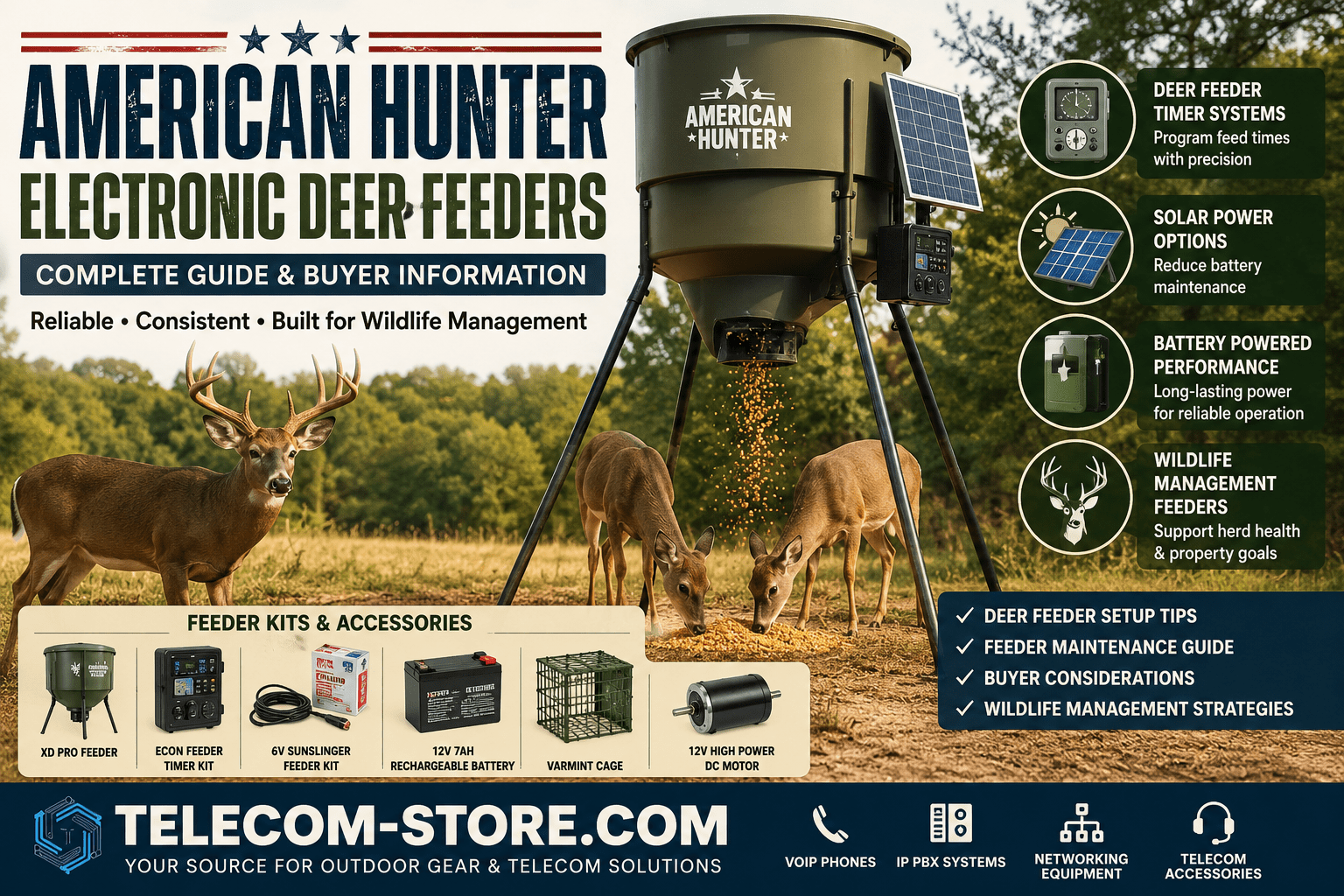
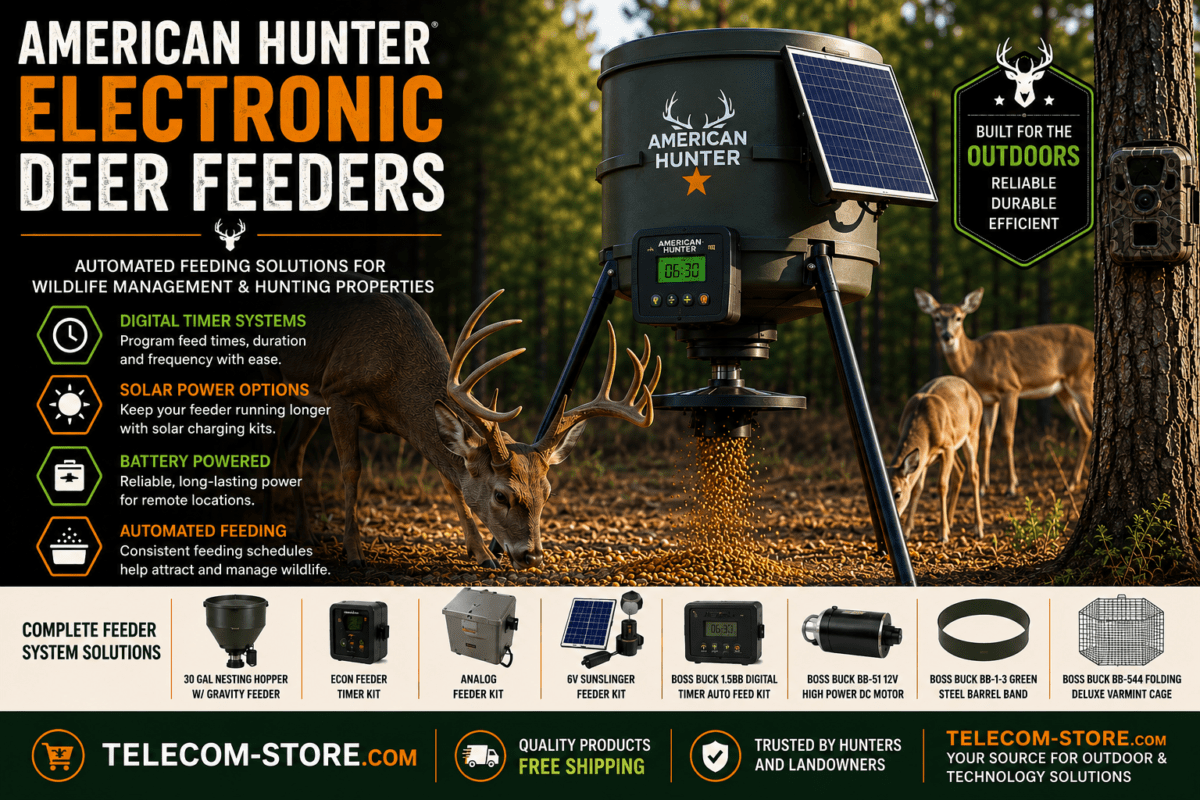
If you own or manage hunting property, you need a reliable way to distribute feed for wildlife management. American Hunter electronic deer feeders use programmable timers, solar or battery power, and accessories to help you automate feeding and make maintenance simpler. Before buying, think about property size, power sources available, and whether your chosen spot gets enough sun for solar charging.
| Feeder Type |
Best For |
Power Source |
Main Features |
Common Accessories |
| Timer Feeder |
Most hunting plots; scheduled feeding |
Battery (add solar for fewer swaps) |
Programmable feed times; adjustable dispersion |
Motor, timer, battery, solar panel, varmint cage |
| Analog Feeder |
Small properties; basic controls |
Battery |
Simple dial-based setup |
Basic motor, timer, lid |
| Gravity Feeder |
Areas needing low-maintenance; smaller herds |
None (no motor) |
Feed drops as animals eat |
Hopper, support legs, protective lid |
| Custom Barrel Kit |
DIY projects, larger plots |
Battery and/or solar panel |
Choose size, control type, add-on features |
Barrel bands, lid systems, leg supports |
Understanding Electronic Deer Feeders
American Hunter electronic deer feeders automate feeding times, reduce manual effort, and create predictable wildlife feeding patterns. These systems are widely used by landowners, hunting lease managers, and businesses managing rural properties. Timers and motors dispense feed based on scheduled intervals—some use digital programming, some stick with analog dial settings. The feed type and amount are also adjustable.
Advantages of Electronic Deer Feeders
- Consistent feeding schedule—keeps deer returning during daylight.
- Less manual labor compared to hand-feeding.
- Helps monitor herd health by supporting regular nutrition.
- Can reduce feed waste if you configure the settings correctly.
- Wildlife observation is easier with more regular patterns.
Electronic Feeder Timer Systems
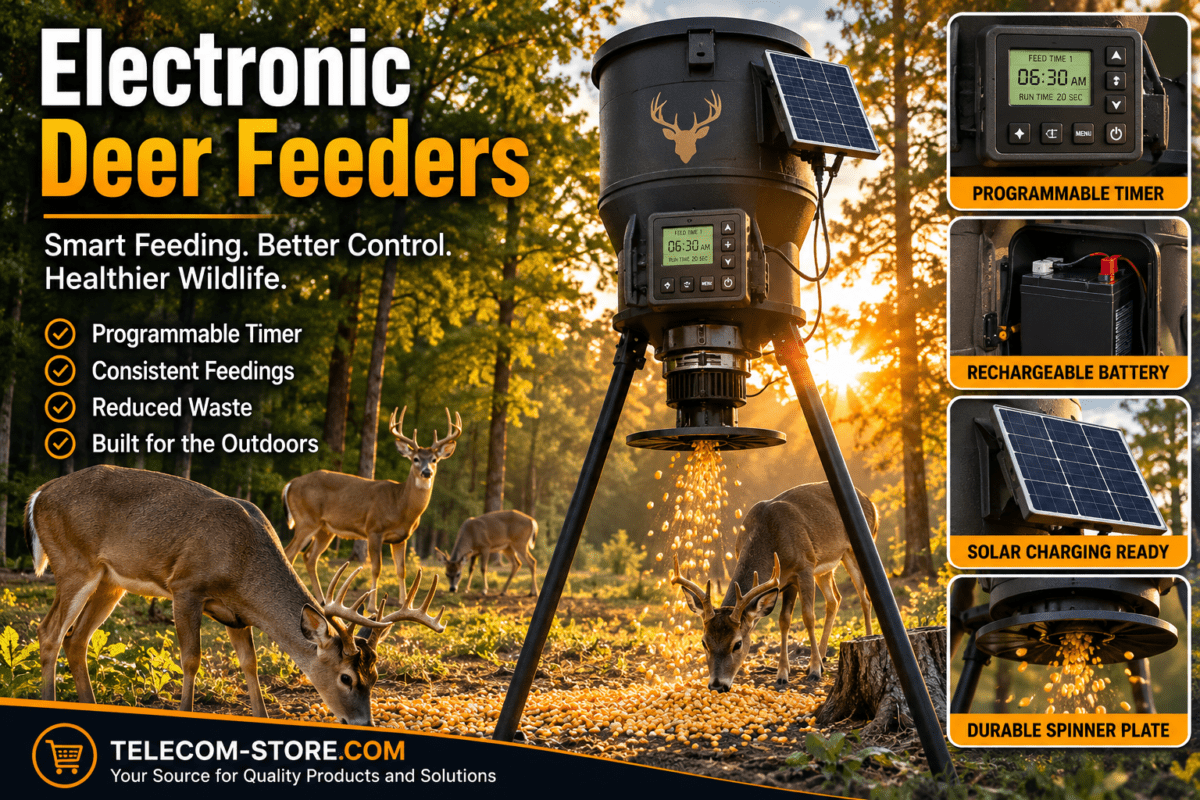
The timer is the feeder’s control center—letting you set hours, frequency, and the length of each feeding. Digital timers support multiple daily events and easier adjustment; analog timers are quick to set for one or two moments daily. Battery or solar power keeps the timer and motor working year-round. If you’re looking to improve efficiency, start by picking a flexible timer system.
Solar-Powered and Battery Feeders
Remote properties benefit from solar charging kits—these maintain your batteries so you don’t visit as often. If you’re closer to the feeder or routinely check it, battery-only systems are still practical. Most American Hunter models let you upgrade from plain battery to a solar panel anytime.
Protecting Feed and Reducing Loss
Varmint cages and well-fitted feeder lids can significantly reduce feed theft or mess, especially from raccoons and squirrels. Barrel bands, reinforced legs, and quality lids help feeders resist weather damage, rodents, and accidental knock-over.
Custom DIY Feeder Builds
If you want a solution tailored to your acreage or want to save cost, consider assembling your own. Use a 55-gallon drum, a motorized timer kit, compatible lids, leg supports, and any needed solar or protective accessories. American Hunter and Boss Buck parts are made for easy compatibility.
Maintenance Tips
- Check batteries before busy seasons—use rechargeables for best value.
- Clean the spinner plate and timer housing regularly.
- Test timer settings after storms or refills.
- Inspect the barrel for rust and the solar panel for debris or shade.
- Replace motors and timers at the first sign of failure.
Regulation & Practical Advice
Always check local and state wildlife regulations on deer feeding and baiting. Some areas restrict use or type of automatic feeders. For most properties, scheduled electronic feeders keep wildlife patterns predictable and support broader management plans—but shouldn’t fully replace natural foraging or habitat work.
Supporting Your Property and Communication Needs
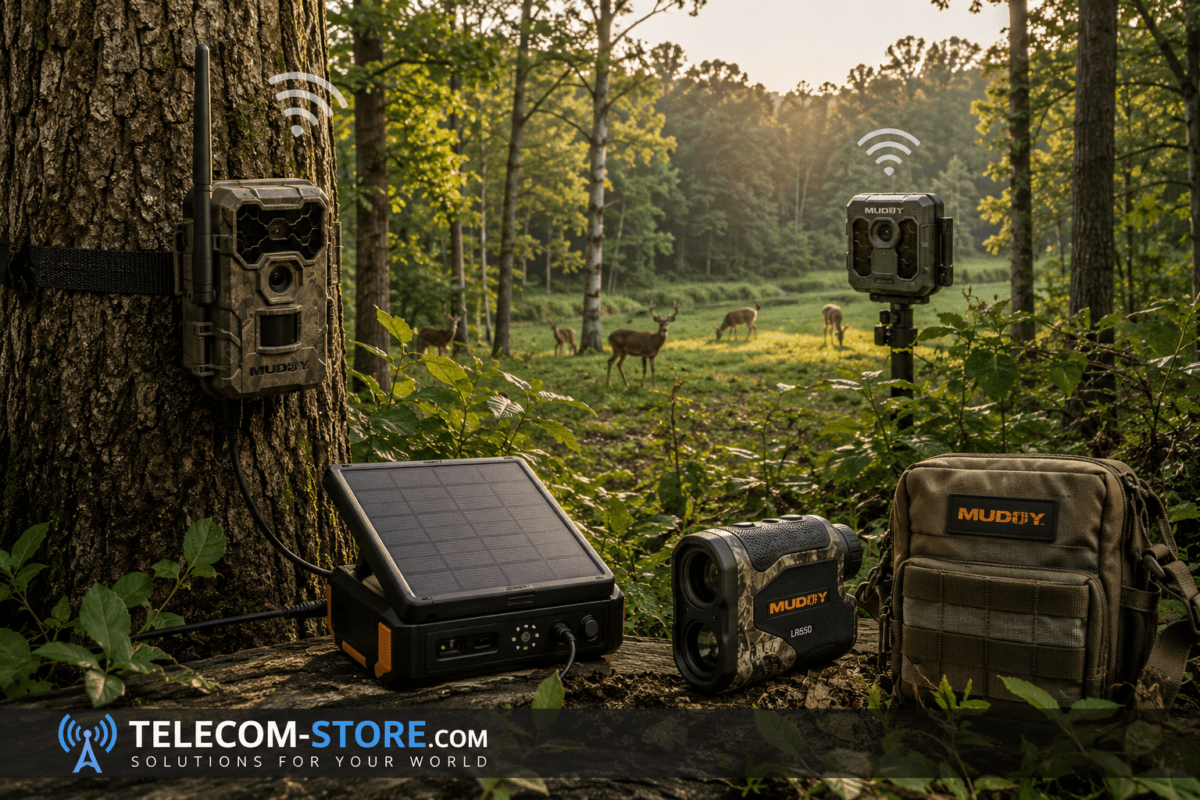
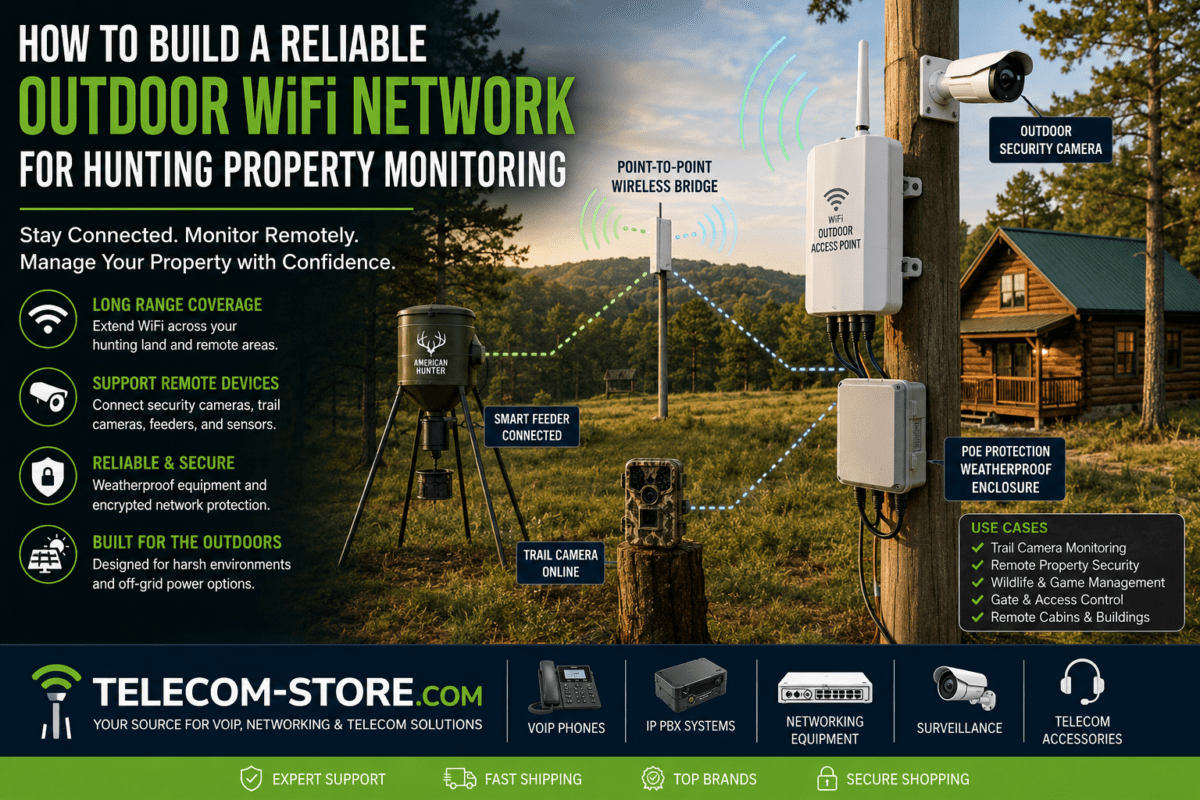
Many hunting or rural business sites combine wildlife management with technology—such as remote monitoring, VoIP phones, or IP PBX systems. Explore network switches for property automation, or VoIP phones for business communication alongside your feeder purchase. Designed to support real-world property management with reliable feeding and easy maintenance.
FAQs: American Hunter Electronic Deer Feeders
- Which American Hunter feeder is best for a small hunting property?
For small hunting properties, a basic timer feeder like the American Hunter Econ Feeder Timer Kit or an analog feeder kit is often sufficient. These offer easy setup and practical features for starting wildlife feeding programs.
- Do I need a solar panel, or is battery power enough?
Solar panels help keep your battery charged—reducing how often you have to swap batteries, especially on remote sites. If maintenance visits are rare or the feeder is very remote, solar is a smart upgrade.
- How do I prevent raccoons from stealing feed?
Install a varmint cage around the feeder’s spinner plate and motor to block raccoons, squirrels, and larger birds from accessing the feed. These cages are available as add-on accessories for most barrel feeders.
- How often do I need to maintain an electronic deer feeder?
Check batteries every season—especially before heavy use—clean the timer and motor areas, clear out old feed, inspect the barrel for rust, and confirm the timer settings. Plan to inspect your feeder before and during peak seasons.
- Can I build my own feeder with standard parts?
Yes. Many landowners use 55-gallon drums, a feeder motor kit, timer, support legs, and protective lids or accessories to put together a custom deer feeder tailored to their acreage and needs.