Boss Buck Feeders: What They Solve for Property Managers
Boss Buck feeders offer reliable solutions for rural property owners, hunting lease managers, and anyone aiming to improve deer and wildlife activity with controlled feeding stations. The right system can help monitor herd health, concentrate game, and reduce manual feeding work—key priorities for long-term property and wildlife management.
Compare: Gravity Deer Feeders vs Automatic Feeders
| Feeder Type |
Operation |
Maintenance |
Control |
Power |
Best For |
| Gravity Feeder |
No timer—feed flows by gravity as consumed |
Low (few moving parts) |
Continuous feed |
None required |
Small herds, simple stations, minimal tech |
| Automatic Feeder |
Digital timer and motor dispenses feed at set times |
Medium (timer, battery, motor) |
Programmable schedule |
Battery or solar-assisted |
Larger properties, herd management, hunting prep |
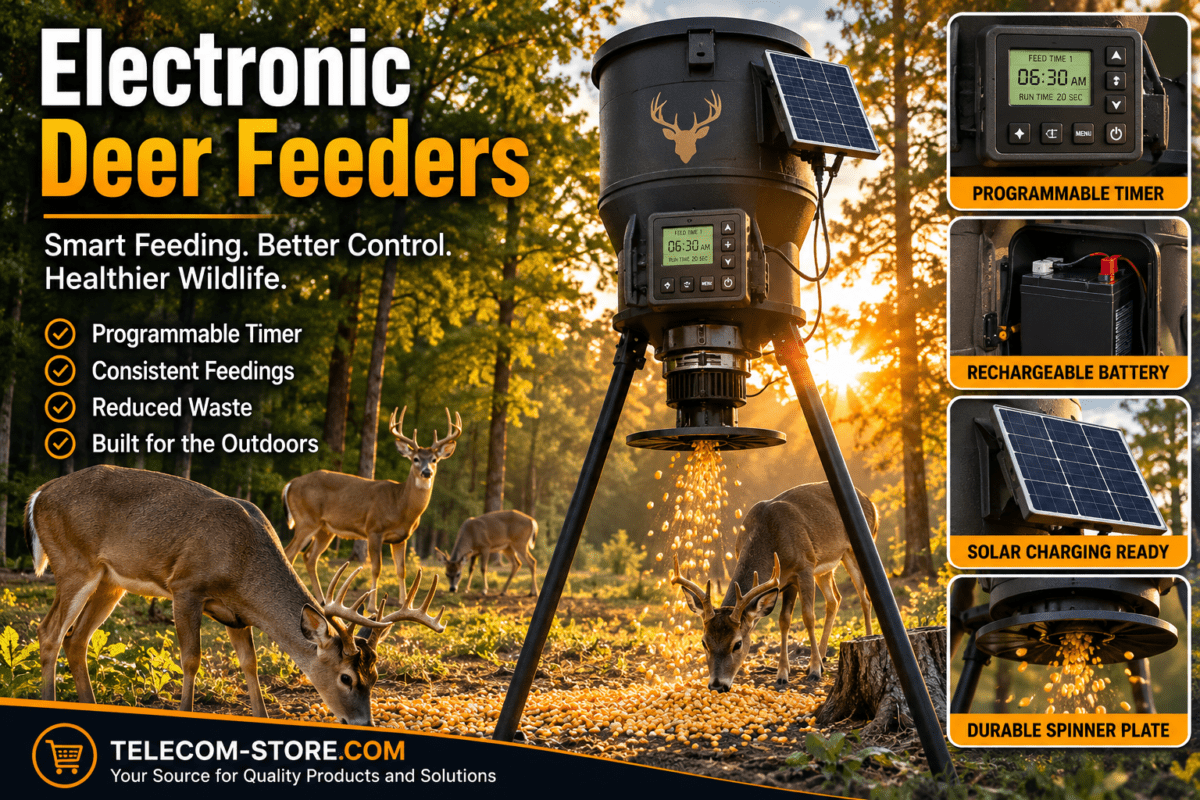
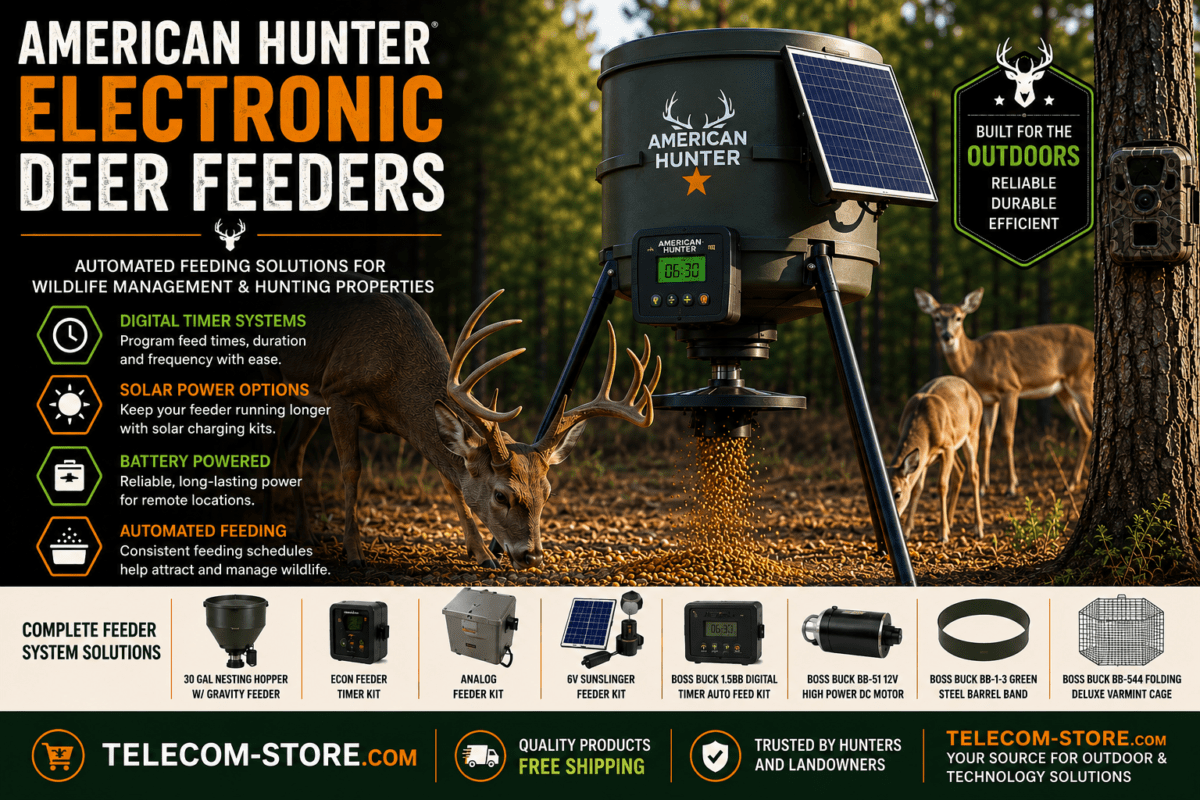
If you want fewer trips, better feed control, and consistent deer activity, automatic feeders like the Boss Buck 1.5BB Digital Timer Auto Feed Kit are preferred. Gravity systems work for basic supplementation without ongoing adjustments.
Understanding Boss Buck Feeders: System Types and Applications
Boss Buck feeders are engineered for distributing pelleted feed, corn, or mixes in ways appropriate for deer and other wildlife. Whether setting up a single station or multiple feeders across acreage, Boss Buck supports:
- Game management on hunting land
- Supplementing deer and livestock diets
- Farm or ranch property improvement
- Observation and photography
- Herd activity monitoring
The two most common feeder categories are gravity-fed and automatic/timed units. For buyers who want set-and-forget operation as well as programmable control, Boss Buck’s automatic feeder kits provide the flexibility to match changing herd needs by season.
Benefits of Proper Wildlife Feeding Systems
- Consistent feed access improves deer health and antler growth
- Predictable patterns for easier hunting and wildlife viewing
- Targeted property management by controlling feed locations
- Reduces scattering feed waste or attracting unwanted species
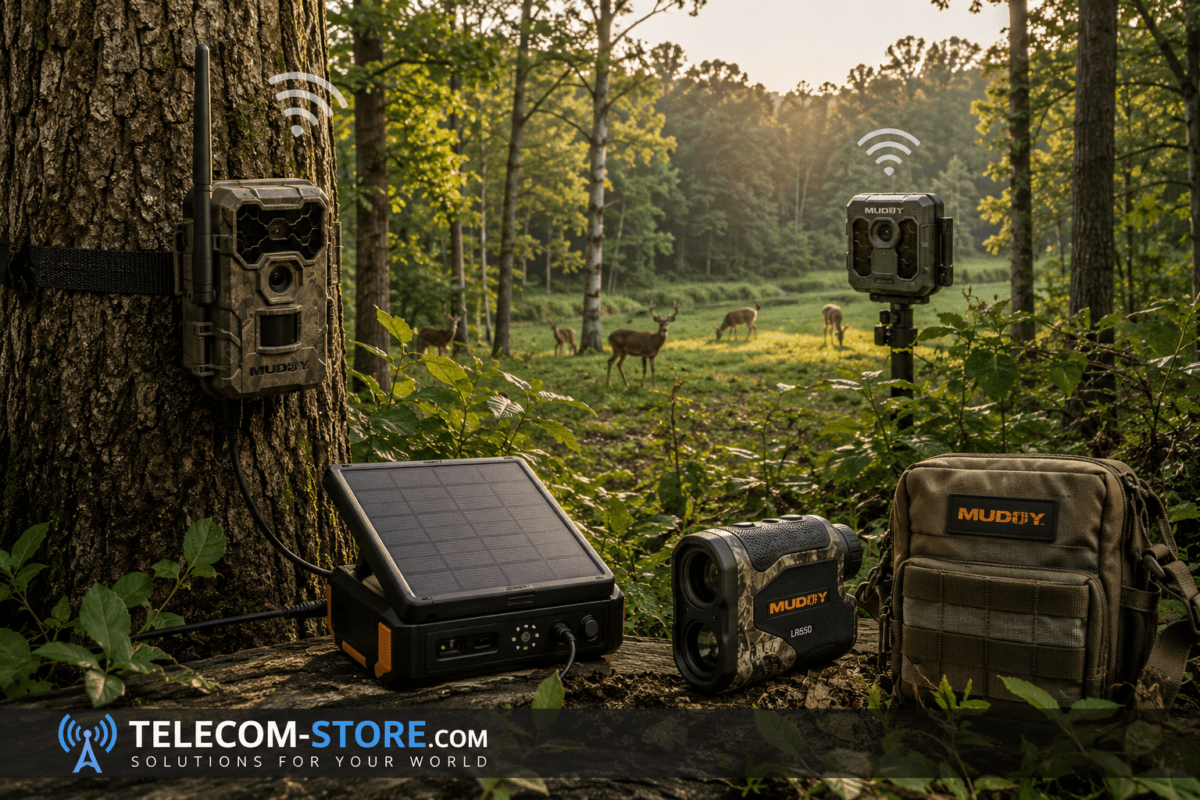
- Combines well with trail cameras for herd data
When paired with monitoring tools, a feeder station goes beyond just feeding. Landowners can log traffic and optimize their program each season.
Building, Upgrading, and Maintaining Your Feeder System
Choosing the Right Feeder Mount and Hardware
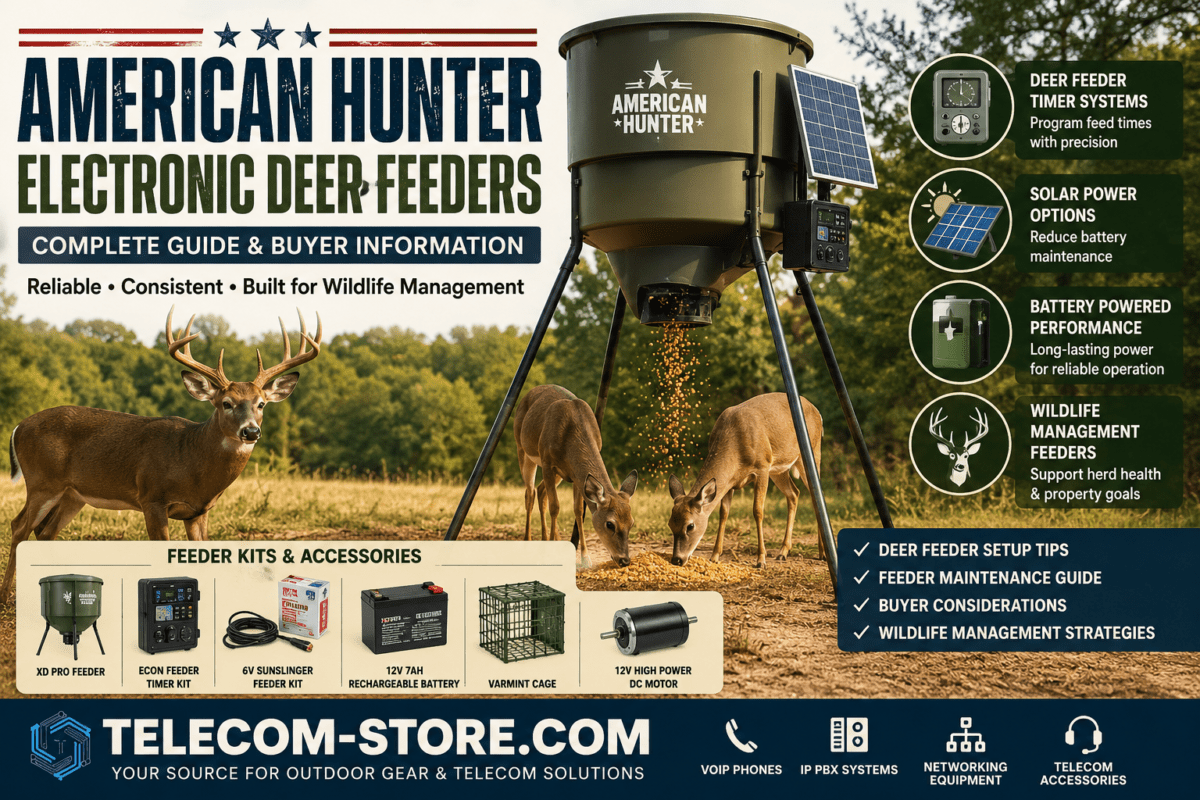
For custom projects, many opt for the classic 55-gallon drum design. Match your drum with the Boss Buck 1HB55 Rust Resistant Hanging Bail to ensure durable hanging and transport. Barrel bands and steel slip-on lids, such as the BB-1 Green Steel Barrel Band and BB-101 Steel Slip-On Lid, secure your setup and shield feed from the elements year-round.
Protect Feed: Varmint Cages and Feed Flow Accessories
Even the best feeder motor is easily sabotaged by raccoons, squirrels, or large birds. To protect your investment—and keep maintenance low—install the Boss Buck 1VC Heavy Duty Steel Varmint Cage or the BB-544 Folding Deluxe Varmint Cage. These keep critters from reaching motors and spin plates.
For optimal feed flow (reducing clogs and spoilage), the Boss Buck BB-102 Galvanized Steel Funnel is recommended—funnels support even spreading and prevent ‘bridging’ that leaves feeder barrels half-full but undispensed.
Powering Automatic Feeders: Motors and Solar Solutions
If you choose an automatic system, a reliable 12V feeder motor such as the Boss Buck BB-51 12V High Power DC Motor is crucial for even feed broadcasting. For remote sites, solar-charging is increasingly essential: the Boss Buck BB-7912 12V Solar Panel can keep batteries charged, minimizing maintenance and downtime, especially important for properties without easy access.
Advice for Buyers: What to Consider Before Purchasing
- Property size & goals: Large tracts may require multiple feeders and solar-powered setups. Dense brush may dictate shorter, easy-access feeders.
- Feed selection: Pellets, corn, or protein blends each have different flow and attraction properties. Match your funnel hardware to the preferred feed to prevent bridging.
- Wildlife law: Not all regions allow supplemental feeding. Double-check your local regulations before placing or activating a station. Missteps here are a top mistake to avoid.
- Maintenance: Gravity units require less, but automatic feeders need batteries checked (or solar charged), timer adjustments, and regular feed refills. Plan your placement for easy access even in poor weather.
Setup Tips and Common Mistakes to Avoid
- Level your feeder—it prevents uneven feed distribution and mechanical jams.
- Protect exposed wires and motors with proper cages to avoid animal damage.
- Don’t put feeders where heavy runoff will flood feed barrels.
- Use locking lids to prevent feed spoilage by moisture and intrusion.
- Monitor with trail cameras to assess deer use and check for non-target species issues.
Accessorize feeder setups to your goals—protein for herd health, corn for hunting attraction, and cameras for data-driven planning help maximize the impact of your investment.
Integrating Technology: Monitoring and Communications
Landowners routinely combine wildlife feeding with trail cameras and remote networked monitoring. See current trail camera solutions at Telecom-Store.com. Adding these tools gives you insight into which species are using each station and what timing works best. For rural business or hunting properties, supporting your operations with Yealink business phones and network switches strengthens daily communication and property control—especially where cellular/data coverage may be inconsistent.
Looking for broader consulting and property technology service? Axion Communications is another resource for rural and commercial deployments.
Limitations and Things to Check Before You Begin
- Feed costs: Supplemental programs can be significant—factor ongoing expense when planning.
- Competition: Feeders can attract pigs, bears, or unwanted animals depending on region.
- Weather: Flooding, snow, and sun can impact setup and feeder longevity—install with weather in mind!
- Local law: Confirm feeding is allowed for your species and season.
- Maintenance: Automatic systems make life easier but only if batteries and timers are checked regularly (solar can minimize this but needs good light exposure too).
- Seasonal use: Some areas allow/ban feeding at certain times. Adapt feeder use accordingly.
FAQs: Common Boss Buck Feeder Questions
- How do gravity and automatic Boss Buck feeders differ?
Gravity models continuously dispense feed—no programming or battery, just fill and go. Automatic units feature programmable timers and motors, letting you control feed quantity and time of day, with reduced waste and more predictable animal visits.
- What varmint cages should I use?
Install heavy-duty steel cages matching your feeder model for the best protection. Both 1VC and BB-544 Deluxe cages protect motors and minimize feed loss from non-target wildlife.
- How often to refill?
Activity and feed type set refill intervals, ranging from weekly during peak deer season to monthly in low-activity periods.
- Can Boss Buck feeders use solar?
Absolutely—using Boss Buck panels helps maintain battery charge and keeps scheduled feeding consistent, especially on remote land.
- Are they used for livestock too?
Yes, select models and accessories work for livestock feeding goals—check documentation and adjust timers as needed for your animals.
- What setup mistakes do people make?
Not planning for animal interference, putting feeders where they flood, ignoring battery upkeep, and not complying with local wildlife rules are the most common errors.
Final Thoughts
Boss Buck feeders are an effective way to manage wildlife resources and property improvements, provided you match your feeder configuration to your property, herd goals, and feeding rules. Take the time to set up with the right hardware, plan regular checks or solar upgrades, and integrate monitoring where helpful. With a careful approach, you’ll improve herd health, save time, and get the most value from every bag of feed you invest.
Frequently Asked Questions
- How do gravity and automatic feeders differ for deer and wildlife management? Gravity feeders provide continuous access to feed with no batteries and minimal maintenance needs. Automatic feeders use digital timers and motors to schedule specific feed times, offer precise feed control, and require batteries or a solar charger.
- What’s the best way to protect deer feeders from raccoons and squirrels? Install heavy-duty varmint cages and secure lids like those from Boss Buck to prevent animals from accessing spin plates and feed, reducing losses and feeder damage.
- How often do you need to refill Boss Buck feeders? This depends on your local wildlife population, season, feeder size, and feeding frequency. Many landowners check feeders every 1-4 weeks and increase checks during active periods.
- Can I power my automatic deer feeder with solar panels? Yes, using solar charging kits like the Boss Buck 12V solar panel will help keep feeder batteries charged—important for remote locations or when minimizing site visits.
- Are Boss Buck feeders suitable for both wildlife and livestock? Yes. Boss Buck makes feeders and hardware for deer, game birds, and livestock feeding. Choose the right feed and adjustment for your animals and goals.
- What mistakes should I avoid when setting up a deer feeder? Don’t overlook feeder leveling (important for flow), protection from varmint, local wildlife feeding laws, and regular battery/feed checks. Plan your station location for both easy refilling and animal safety.