Electronic Deer Feeders: A Smarter Way to Feed Wildlife in 2026
If your goal is to attract deer, keep your herds healthy, or get more data from your game cameras, electronic deer feeders offer a practical and reliable feeding method. These helpful devices let you manage when and how your feed is distributed—all without the hassle of daily trips for refilling or scattering feed by hand. Below you’ll find clear comparisons, feature explanations, setup pointers, and genuine product recommendations drawn from experience helping property owners, hunters, and wildlife enthusiasts.
Getting Started: What to Know Before Buying
Electronic deer feeders work best for property owners who want predictable feeding, better wildlife traffic, and less wasted feed. In most cases, the right feeder pays for itself by reducing feed loss, cutting labor, and improving your ability to observe deer activity. If you only feed a handful or visit often, a simple gravity feeder may be easier, but you’ll sacrifice control. Those managing larger tracts, remote plots, or wanting fewer trips will find modern programmable feeders extremely useful.
Product Comparison Table: Electronic vs. Gravity Feeders
| Feature |
Electronic Feeders |
Gravity Feeders |
| Feeding Schedule |
Programmable (set exact times/durations) |
Feed available 24/7 (deer self-serve) |
| Feed Waste |
Controlled, less wasted/lowers consumption |
More waste, can be over-visited |
| Maintenance |
Batteries/solar, occasional cleaning |
Almost none; just refill |
| Best For |
Timely wildlife observation, managing feed cost, managed herds |
Low-labor, close-by plots, small acreage |
| Setup |
Needs wiring, programming, testing |
Fill and go—no electronics |
| Animal Intrusion |
Can add varmint guards |
More likely to be raided by pests |
Tip: Schedule feeding to coincide with deer movement patterns for best trail camera results and feeding economy.
How Electronic Deer Feeders Work (The Essentials)
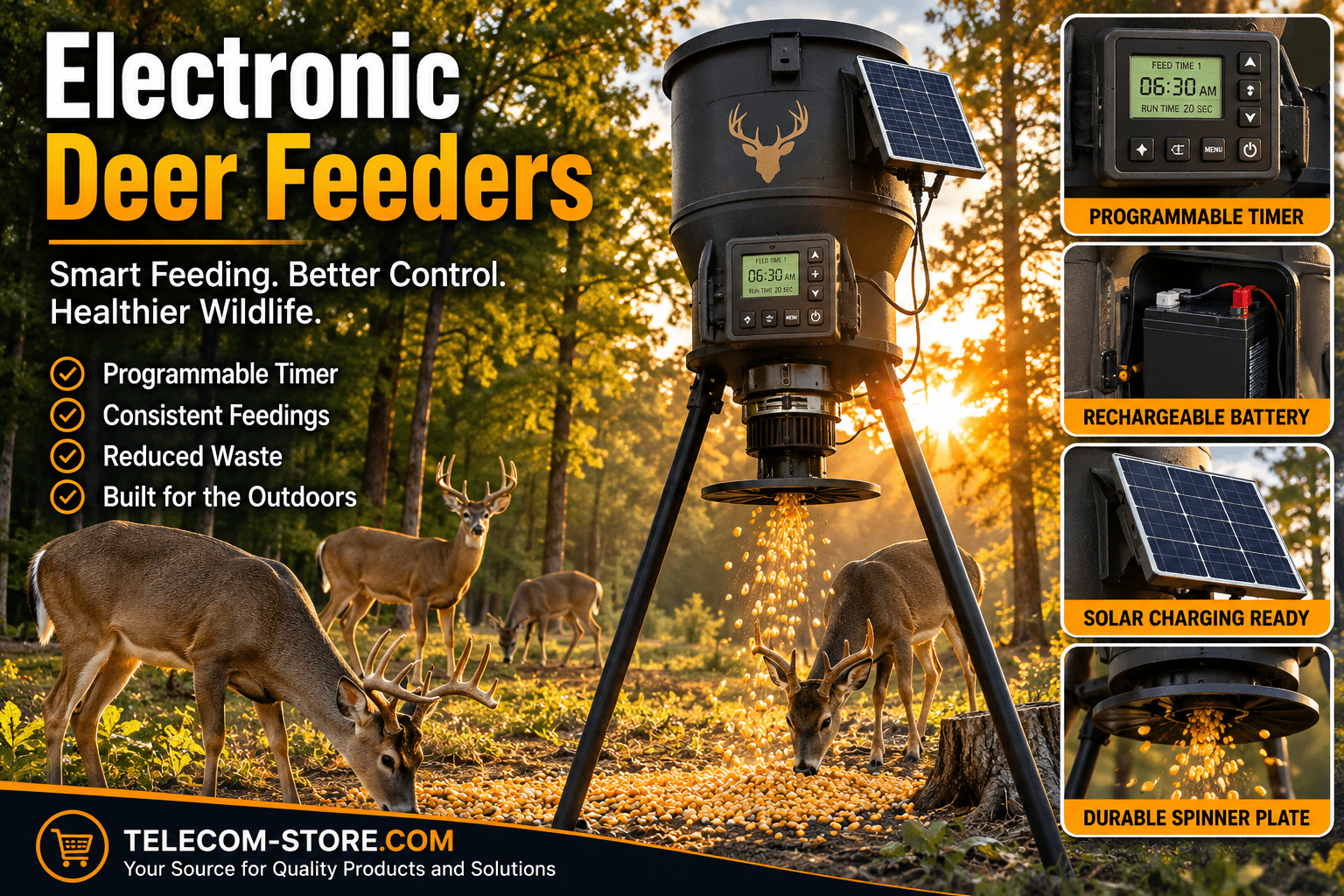
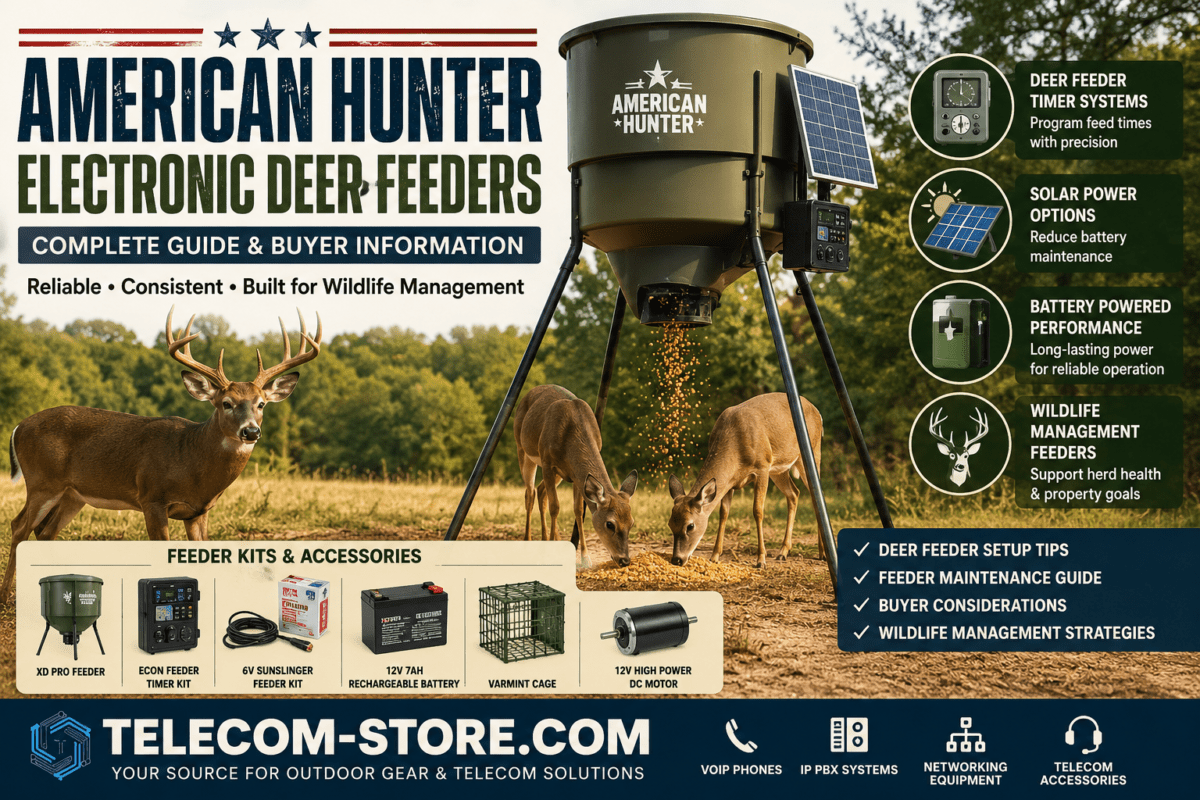
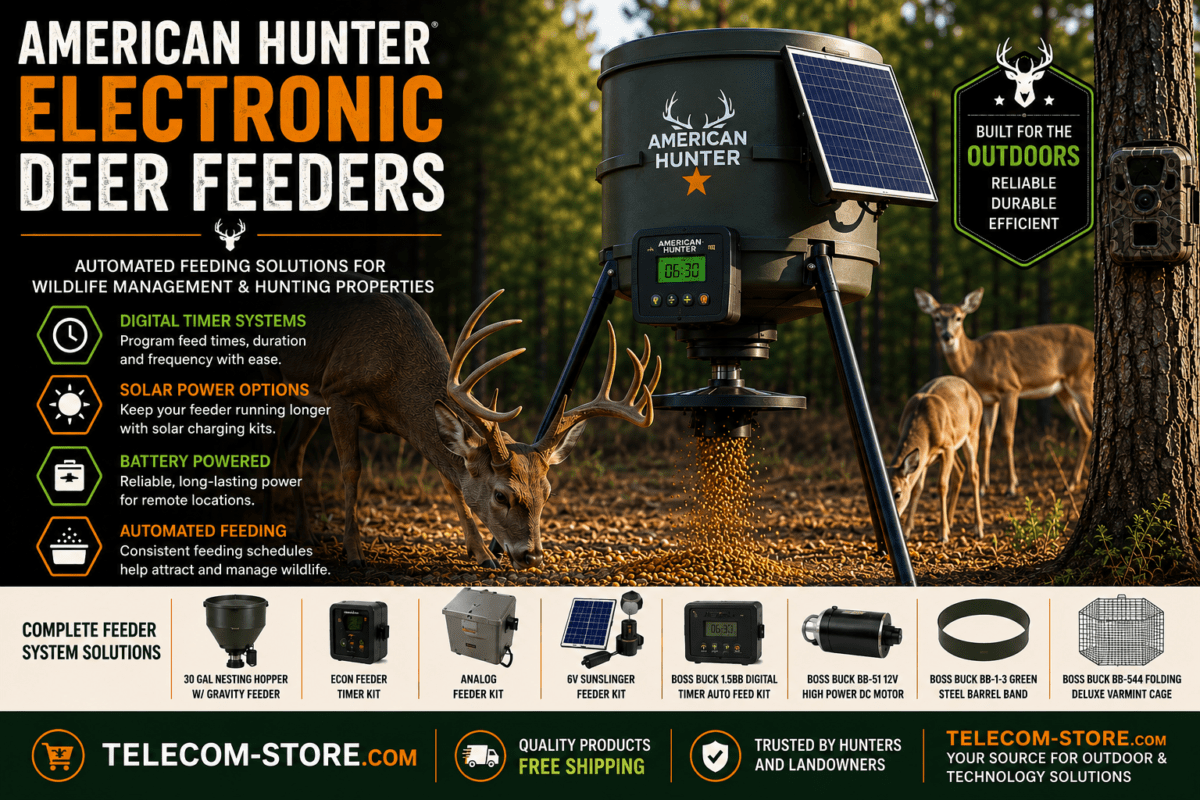
All quality electronic deer feeders share some core parts. Most are built around a hopper or barrel (usually 30 or 55 gallons), a digital timer, a battery-powered spinner plate/motor, and weather-sealed control housings. Timers let you program feeding events: when and how long to spin the plate, tossing controlled portions out and away from the feeder so deer can access feed with minimal crowding.
- Digital Timers: Let you set multiple feeds per day to match the movement of deer on your property.
- Battery Power: 6V and 12V rechargeable units are standard. A solar charging upgrade stretches intervals between maintenance.
- Motors & Spinner Plates: Motor-powered plates fling feed in circles for wide, even coverage.
- Hoppers/Barrels: These containers store feed, protecting it from weather and pests. Larger units mean less-frequent refilling—essential on big or remote properties.
If you’re building a custom system, look for combo kits that include timer, spinner, battery box, or seek out plug-and-play models like the XD Pro Feeder for quick setup.
What Are the Key Benefits?
- Schedule Control: Choose feeding times that match wildlife activity—early morning/evening is best for deer traffic and photo opportunities.
- Less Labor: With larger hoppers or solar power, you might only need to check your feeder every 2–6 weeks, saving time over the season.
- Improved Nutrition Consistency: Keeps food available on tough-weather days for steady herd health and antler growth.
- Reduced Waste: Programmable portions mean less excess feed attracting raccoons or hogs.
- Better Observation: With a set schedule, you can better anticipate and track wildlife visits—ideal for game cameras or scouting.
Types of Feeders You’ll Find
Tripod Feeders
Excellent for flexibility—set up where the current deer trails are, then move or adjust legs for new seasons. The XD Pro Feeder is a great tripod option for requiring moderate capacity and stable, portable placement. Always ensure all legs are solidly anchored to prevent tipping in storms.
Barrel and Drum Feeders
If you need extended intervals between fills—such as on hunting leases or remote land—the 30-gallon or 55-gallon barrels are best. These larger units mean fewer visits and can hold enough feed to support a herd for weeks. They’re also more stable, especially when properly mounted, but can be difficult to move once full. Accessory lids like the American Hunter L55 protect feed from rain while keeping refills simple.
Gravity Feeders
Perfect for minimal-maintenance scenarios, gravity feeders need no batteries or timers—just fill and walk away. But be cautious: uncontrolled access leads to rapid feed depletion (especially with raccoon or hog pressure). The 30-Gallon Nesting Hopper with Gravity Feeder is a common pick for this style.
Feature Checklist: What Matters Most When Choosing
- Programmable Timers: Look for kits with multiple daily events and reliable accuracy like the XD Pro Feeder. This helps tune feeding to local deer movement patterns.
- Battery & Solar Options: For properties with long access drives, a solar kit like the 6V Sunslinger Feeder Kit lowers upkeep.
- Hopper/Barrel Capacity: 30-gallon is fine for one plot or backyard setups. 55-gallon works better for big tracts or fewer refills.
- Weatherproofing: Prioritize sealed electronics and accessory lids (L55 Easy Open) if you face heavy rain, humidity, or storms.
- Varmint Protection: Raccoon and hog damage adds up fast. Consider a Boss Buck Folding Deluxe Varmint Cage for all electronic feeders.
- Ease of Use: Choose hoppers with simple lids, folding varmint cages, or parts you can remove for cleaning or upgrades.
Selection Mistakes to Avoid
- Choosing too small a hopper: Frequent refilling becomes a chore on large properties during peak feeding.
- Skipping animal protection: No varmint cage equals rapid feed loss—raccoons, squirrels, and even hogs can defeat most lids.
- Wrong feeder style for property: A gravity feeder on a lease with intense hog traffic will empty out fast, costing more long-term.
- Overlooking solar on remote feeders: If you’re not nearby often, lack of solar backup means dead batteries and unreliable performance.
- Neglecting location prep: Don’t place feeders in low, wet, or flood-prone spots. Muddy or unstable ground makes maintenance and feeding a challenge and rusts parts.
Installation Guidance: Doing It Right the First Time
- Location Choice: Set feeders on high, level ground with good visibility and away from overhanging branches. This reduces feed spoilage, animal approach noise, and branch falls.
- Assembly Checks: Before filling with feed, power up the timer, run several test cycles with the spinner and battery, and ensure the control box is sealed from weather.
- Lid and Seal Inspection: Weatherproof lids—like the L55 Easy Open Lid—are vital to keep feed dry and electronics safe. Replace seals or lids that show cracks or warping.
- Anchoring: High winds and hog rooting can tip even filled feeders. Use tie-downs, ground rods, or support brackets (especially for tripod and barrel feeders).
Test all electronics before full loading. Confirm all legs/joints are tight and check programmable events for accuracy. Document your timer settings for easy seasonal updates.
Maintenance: Ways to Make Your Feeder Last
- Batteries: Check every 2–6 weeks and swap if low. Keep terminals clean and dry with anti-corrosion spray. Use solar upgrades if visiting infrequently.
- Spinner Plate Cleaning: Remove feed dust, cobs, or debris each visit. Use a small brush or compressed air as needed.
- Cable Inspection: Rodents sometimes chew exposed wires—install conduit or tape repairs and elevate wiring off the ground.
- Hardware Tightening: After any big storm or wind, inspect and tighten legs, lids, and hardware to protect from shifting or collapse.
- Feed Quality: Never let wet or moldy feed remain—a clogged, sour feeder deters wildlife and harms herd health. Regularly cycle out old feed.
- Timer Updates: Adjust feeding times and quantities as daylight hours—and deer patterns—change through the season.
Recommended Electronic Deer Feeder Products
See more feeding gear in our Outdoor Products section—stock changes seasonally, so check back for new arrivals and deals.
Frequently Asked Questions
How do electronic deer feeders work?
They use a digital timer to power a motor and spinner at scheduled times, spreading feed only when programmed. This delivers measured portions with minimal labor.
How much upkeep do electronic feeders need?
Plan to inspect and refill every 2–6 weeks, depending on your hopper size, wildlife density, and whether you use a solar charging kit for batteries. Remote locations with solar upgrades can stretch maintenance intervals further.
Are feeders compatible with protein pellets?
Most feeders handle standard protein pellets and corn, but always check the spinner plate slot size—some pellets swell in humidity and may clog cheaper feeder mechanisms. Stick with dry, manufacturer-recommended feeds to prevent jams.
Is a solar panel worth adding?
Solar is an easy upgrade for any battery-powered deer feeder, but it’s most helpful for properties you visit less often or during winter when cold drains batteries faster.
How do I protect my feeder from raccoons and hogs?
Install a varmint cage like the Boss Buck model and pick up a tight-fitting, easy-open lid. Stay vigilant—inspect for animal damage each visit and re-secure any loose panels or wires.
How do I pick the right feeding schedule?
Most property owners program early morning and late afternoon cycles, matching the highest local deer traffic. Always follow local wildlife feeding laws before setting your schedule.
Summary: Smart Feeding for Wildlife Success in 2026
Electronic deer feeders help anyone who wants better control over feed, schedule, and herd activity. Whether you manage small food plots or large acreage, programmable timers, sealed hoppers, solar upgrades, and varmint protection are essential. Invest in practical accessories and maintain your setup with the tips above for the best results year-round. Use the links above to compare popular models or see all outdoor feeder products at Telecom-Store.com. Our team is always available for setup advice and product support—so reach out if you have questions about making your property wildlife-friendly this season.