Clarity Amplified Phones: Choosing Better Communication for Homes, Offices, and Care Settings
Which Clarity Amplified Phone Works Best for Your Needs?
Clarity amplified phones help anyone who needs extra call volume, loud ringers, or big-button dialing. They’re especially helpful in homes with seniors, assisted living, care facilities, and busy or noisy offices. If you’re unsure which model or feature is right for your family member or business, use the table below for a quick comparison.
| Model | Amplification | Corded/Cordless | Photo Dial/Big Buttons | Hearing Aid Compatible | Loud Ringer | Best For |
|---|---|---|---|---|---|---|
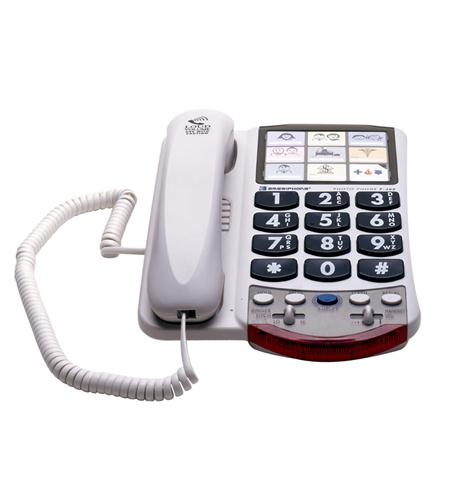
| P300 Photo Phone | Up to 26dB | Corded | Photo dial, large buttons | Yes | Yes | Memory support, assisted living |
| AltoPlus | Up to 53dB | Corded | Large buttons | Yes | Extra loud | Severe hearing loss, offices |
| E814CC Combo | Up to 40dB | Hybrid | Large buttons, combo | Yes | Loud | Larger homes, mobility needs |
| D704 Cordless | Up to 40dB | Cordless | Large backlit keypad | Yes | Loud | Moving between rooms |
| XLC3.4 Cordless | Up to 50dB | Cordless | Large buttons | Yes | Super loud | Home, busy environments |
Why Choose a Clarity Amplified Phone?
Many modern phones aren’t built for those with hearing or vision challenges. Clarity makes amplified phones with extra volume, adjustable tone, bigger displays, and bigger buttons that make conversations easier and more enjoyable. They’re built for users who need more than what’s standard, and they’re practical where missed calls can cause problems or risks—at home, at the front desk, or in shared workspaces.
Who Should Consider Clarity Phones?
- Seniors and Caregivers: For clear conversations and easy dialing with big buttons or photo speed-dial.
- Individuals with Hearing Loss: Models with up to 53dB amplification and tone adjustment help most users, including hearing aid wearers (always double-check compatibility).
- Healthcare and Assisted Living: Reduce communication barriers for residents and staff. Corded phones are always ready; cordless add mobility.
- Businesses: Offices, reception desks, and noisy environments benefit from louder ringers and clear voice calls.
- Anyone Needing Reliable Phone Access: Especially where missed calls or unclear audio can create safety risks.
Main Features to Look For
- Amplification: Check maximum dB boost—mild to severe hearing loss needs higher numbers.
- Loud Ringers: Prevent missed calls in busy or large spaces.
- Big Buttons and Displays: Reduce dialing errors and help users with vision challenges.
- Hearing Aid Compatibility: Look for “HAC” labels and check your hearing aid manual.
- Corded vs Cordless: Corded provides reliability; cordless increases mobility.
- Photo Dial: Helps those with memory loss or low vision call trusted contacts quickly.
Practical Advice for Buyers
- Decide who will use the phone and where—this affects whether you need loud ringers, mobility, or extra-large buttons.
- Always verify compatibility with hearing aids or telephone lines (especially if using VoIP—see VoIP Phones).
- If your office or facility uses an IP PBX system, ask your IT team if you need an analog adapter.
- For open spaces or noisy floors, consider models with extra-loud ringers and high maximum amplification.
- Combination systems are useful where both stationary and mobile use are needed.
- Include everyone: check if users also need large displays or visual call indicators.
- For expansion or accessories, always check compatibility with your current phone model.
Watch for Common Mistakes
- Buying a phone with too little amplification for your actual hearing level.
- Forgetting to check for hearing aid compatibility (look for the HAC mark).
- Ignoring installation requirements—some cordless models need power; corded need analog lines.
- Not training users—advanced features, if unused, won’t help anyone.
- Assuming all staff or residents have the same needs—individual hearing levels and comfort vary.
Clarity and Modern Communication Solutions
Amplified analog phones remain vital in care settings and for accessibility—but many clinics, businesses, and offices are also upgrading to VoIP phones, IP PBX systems, and network switches. For hybrid setups, you may need adapters or special configurations—speak to your IT provider or contact us for conference phone solutions.
Frequently Asked Questions
- How do I know which Clarity amplified phone is best for my situation?
- Consider the user’s hearing needs, required amplification, corded vs cordless, hearing aid compatibility, and where it will be used. Use the table above for side-by-side model comparisons.
- Can Clarity amplified phones work with VoIP or modern phone lines?
- Yes, most connect with analog adapters to VoIP/IP PBX systems—confirm compatibility for your setup.
- Are Clarity phones suitable for business use?
- Absolutely. These phones are chosen for reception desks, shared offices, and healthcare areas for better audibility and accessibility.
- Will an amplified phone help if my hearing aids aren’t enough?
- Amplified phones can provide extra clarity, but for significant hearing loss, consult a hearing care provider before buying.
- Do amplified phones require special installation?
- Most simply plug into standard phone jacks; cordless systems need a power outlet for the base unit.
- What is the main difference between Clarity corded and cordless phones?
- Corded are always powered and stationary, cordless models give you mobility for larger spaces or busy environments.
For more advice or to browse compatible business solutions, visit our categories for VoIP Phones, Network Switches, and Conference Phones.