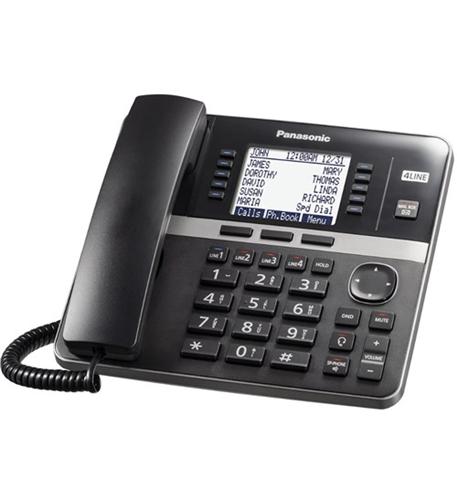
Panasonic Analog Telephones for Business

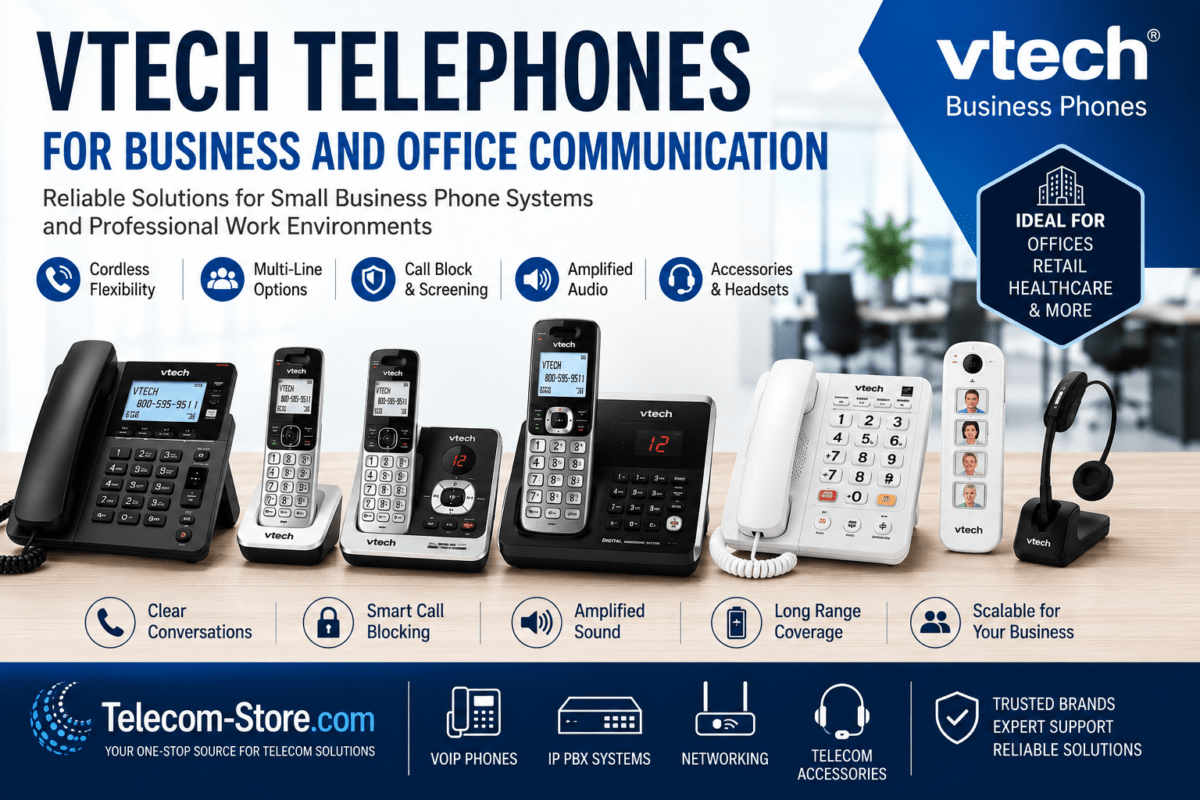
Panasonic analog telephones for business communication featuring corded and cordless office phone systems, multi-line support, speakerphone functionality, DECT handsets, and reliable analog phone solutions for offices, retail stores, warehouses, healthcare facilities, hotels, and industrial environments. Telecom-Store.com branding highlights VoIP phones, IP PBX systems, networking equipment, telecom accessories, and FREE Shipping.

Panasonic Analog Telephones for Business

Why Panasonic Analog Telephones Remain Relevant

While cloud communications, VoIP systems, and mobile devices continue to grow in popularity, Panasonic analog telephones remain widely used in offices, warehouses, retail locations, healthcare facilities, hospitality environments, and small businesses.

Many organizations continue to rely on analog telephone systems because of their simplicity, reliability, and compatibility with existing infrastructure. Panasonic analog business phones offer familiar operation, dependable performance, and a variety of features that support everyday communication requirements.

Businesses looking for communication equipment, VoIP phones, networking products, and telecom accessories can browse solutions at: Telecom-Store.com

Understanding Panasonic Analog Telephones

Panasonic analog telephones connect to standard analog telephone lines, analog PBX extensions, or analog telephone adapters.

Unlike IP phones that rely on Ethernet networks and SIP registration, analog desk phones use traditional telephone wiring and voice circuits.

These phones are commonly used in:

  • Small offices
  • Reception areas
  • Warehouses
  • Retail stores
  • Hotels
  • Healthcare facilities
  • Industrial environments

Many organizations continue using analog phones because they require minimal configuration and are often easy to deploy.

Benefits of Panasonic Analog Business Phones

Panasonic analog business phones continue to offer several advantages.

Simple Deployment

Most analog telephones connect directly to an analog line or PBX extension without requiring network configuration.

Familiar User Experience

Employees often require little training because analog phones operate similarly to traditional telephones.

Reliable Operation

Many analog systems continue functioning during network outages that might impact IP-based communications.

Broad Compatibility

Analog phones may work with:

  • Analog PBX systems
  • Telephone company lines
  • Analog gateways
  • VoIP adapters
  • Legacy communication systems

These advantages make analog phones attractive for organizations that prioritize simplicity and reliability.

Corded Office Telephones and Business Applications

Corded office telephones remain common in environments where mobility is less important than reliability.

Common applications include:

  • Reception desks
  • Administrative offices
  • Break rooms
  • Shipping departments
  • Security stations

Corded telephones eliminate battery concerns and provide consistent operation throughout the workday.

Businesses often use corded office telephones for:

  • Internal communications
  • Customer service
  • Department extensions
  • Emergency contact points

Panasonic Two-Line Telephone Solutions

Many businesses require support for multiple telephone lines.

The Panasonic Consumer TG9582B 2-Line Corded Cordless Phone System provides two-line communication capability:

Two-line systems can help users:

  • Manage multiple calls
  • Separate business functions
  • Improve call handling
  • Increase communication flexibility

These systems are frequently used in:

  • Professional offices
  • Home offices
  • Small businesses
  • Service organizations

Corded and Cordless Communication Flexibility

Some businesses prefer a combination of desk phone stability and cordless mobility.

The 2-Line Corded Cordless Link2Cell System is available here:

Hybrid systems may provide:

  • Corded desk phone reliability
  • Cordless mobility
  • Multi-line support
  • Expanded communication flexibility

This combination can be useful in offices where employees frequently move between work areas.

Panasonic Link2Cell Systems

Wireless connectivity has become increasingly important in business communication.

The 4-Handset Link2Cell Cordless Phone System is available here:

Link2Cell technology may allow compatible mobile phones to integrate with cordless phone systems.

Potential benefits include:

  • Expanded coverage
  • Mobile phone integration
  • Improved convenience
  • Flexible communication options

Businesses should verify compatibility before deployment.

Expandable Cordless Telephone Systems

Growing businesses often require scalable communication solutions.

The Expandable Cordless Phone with Two Handsets is available here:

Expandable systems may support:

  • Additional handsets
  • Multi-room coverage
  • Office expansion
  • Flexible deployment

This can be particularly useful for organizations anticipating growth or changing office layouts.

Accessory Handsets and Expansion Options

Many Panasonic systems support additional handsets.

The Panasonic TGA950B Two-Line DECT 6.0 Cordless Handset is available here:

Additional handsets may help organizations:

  • Expand coverage
  • Improve accessibility
  • Support additional users
  • Reduce communication bottlenecks

Another option is the accessory handset for the TGD86X series:

Accessory handsets can provide flexible communication without requiring additional phone lines.

Analog Telephone Systems and Modern Business Infrastructure

Many organizations operate hybrid communication environments.

These environments may include:

  • Analog telephones
  • VoIP phones
  • Cloud communications
  • PBX systems
  • Mobile devices

Analog phones can continue serving important roles alongside modern communication technologies.

Businesses often deploy analog phones in areas where advanced IP features are unnecessary.

Panasonic Speakerphone Telephones

Speakerphone functionality remains important for many workplaces.

Common uses include:

  • Conference discussions
  • Customer service calls
  • Administrative coordination
  • Multi-person conversations

Speakerphone-equipped analog phones can improve collaboration while maintaining the simplicity of traditional telephone operation.

Buyer Considerations

Before purchasing Panasonic analog telephones, organizations should evaluate several factors.

Existing Infrastructure

Determine whether the environment uses:

  • Analog lines
  • PBX extensions
  • VoIP adapters
  • Hybrid communication systems

Mobility Requirements

Evaluate whether employees require:

  • Corded phones
  • Cordless handsets
  • Multi-location coverage

Expansion Plans

Businesses anticipating growth may benefit from expandable systems and accessory handsets.

Feature Requirements

Important features may include:

  • Speakerphone operation
  • Caller ID
  • Multiple lines
  • DECT wireless capability
  • Mobile integration

Selecting the right feature set can improve long-term usability.

Limitations of Analog Phones

Although analog phones remain useful, there are some limitations.

Limited Advanced Features

Analog telephones generally provide fewer advanced collaboration features than modern IP phones.

Scalability

Large-scale deployments may require additional infrastructure planning.

Integration

Cloud communication platforms may require analog gateways or adapters.

Mobility Constraints

Corded phones limit user mobility compared to wireless alternatives.

Analog Phones and VoIP Systems

Many businesses today operate mixed communication environments.

Analog phones can often be connected through:

  • Analog telephone adapters (ATAs)
  • Hybrid PBX systems
  • VoIP gateways

This allows organizations to continue using existing equipment while gradually adopting newer technologies.

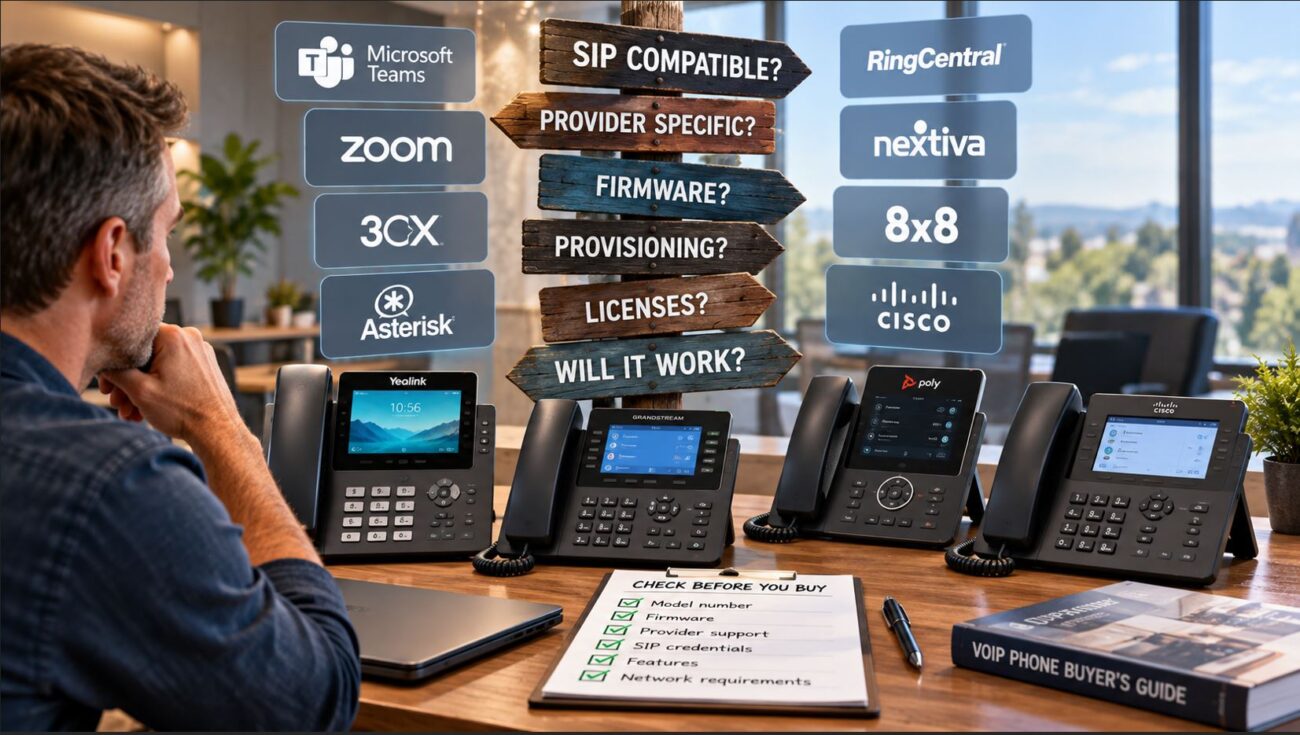
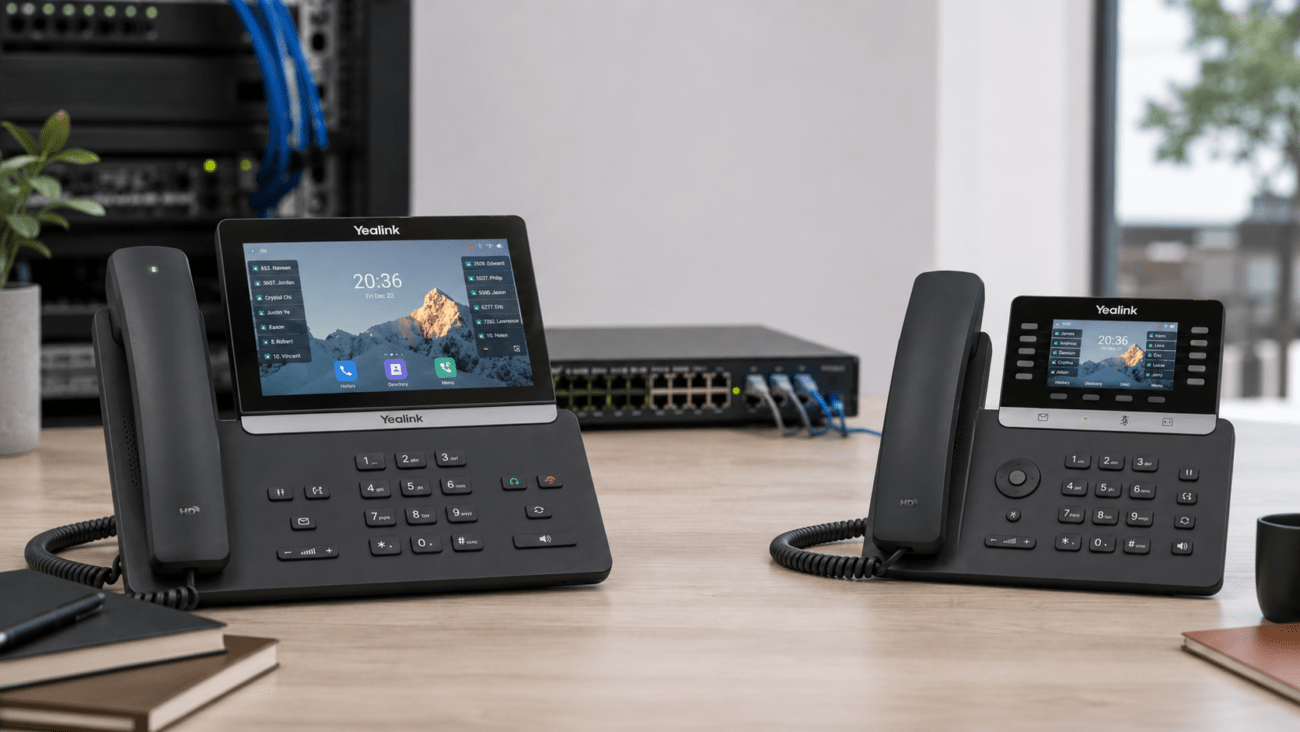
Businesses interested in modern VoIP communication can also explore Yealink phones and business communication equipment available through Telecom-Store.com

Organizations seeking broader communication solutions may also work with: Axion Communications

for telecom and connectivity services.

Conclusion

Panasonic analog telephones continue to provide reliable communication solutions for offices, retail locations, warehouses, healthcare facilities, and small businesses. Their simplicity, compatibility, and ease of use make them a practical choice for organizations that value dependable voice communication.

Whether selecting a two-line system, a corded and cordless combination, expandable handsets, or a traditional analog desk phone, businesses should evaluate infrastructure requirements, mobility needs, expansion plans, and desired features before making a purchase decision.

FAQ Section

What are Panasonic analog telephones?

Panasonic analog telephones are traditional business and residential phones that connect to analog telephone lines, PBX systems, or analog adapters rather than IP networks.

Are Panasonic analog business phones still used today?

Yes. Many businesses continue using Panasonic analog business phones because they are reliable, easy to operate, and compatible with existing communication infrastructure.

Can Panasonic analog phones work with VoIP systems?

Yes. Many Panasonic analog phones can work with VoIP systems when connected through an analog telephone adapter or VoIP gateway.

What are the benefits of corded office telephones?

Corded office telephones provide dependable communication, require no battery charging, and are often simple to deploy and maintain.

What is a two-line Panasonic phone system?

A two-line phone system allows users to manage multiple telephone lines from a single device, improving call handling and communication flexibility.

Can Panasonic cordless handsets be expanded?

Many Panasonic cordless systems support additional handsets, allowing businesses to increase coverage and support more users.

Are Panasonic analog telephones suitable for small businesses?

Yes. Small businesses often choose Panasonic analog phones because they are easy to use, affordable, and compatible with existing analog infrastructure.

What should businesses consider before purchasing analog phones?

Businesses should evaluate infrastructure compatibility, mobility needs, expansion requirements, feature preferences, and future communication plans.