How to Pick the Best Muddy Laser Range Finder for Your Next Hunt
Muddy laser range finders continue to be a go-to for hunters, land managers, and property owners who want reliable, straightforward tools for distance measurement—whether you’re bowhunting in tight timber or glassing long fields with a rifle. This guide covers what separates Muddy’s models, practical advice for field success, and how to avoid common mistakes that waste money or cost you an opportunity in the woods.
Answer for Buyers: What Makes a Muddy Range Finder Stand Out?
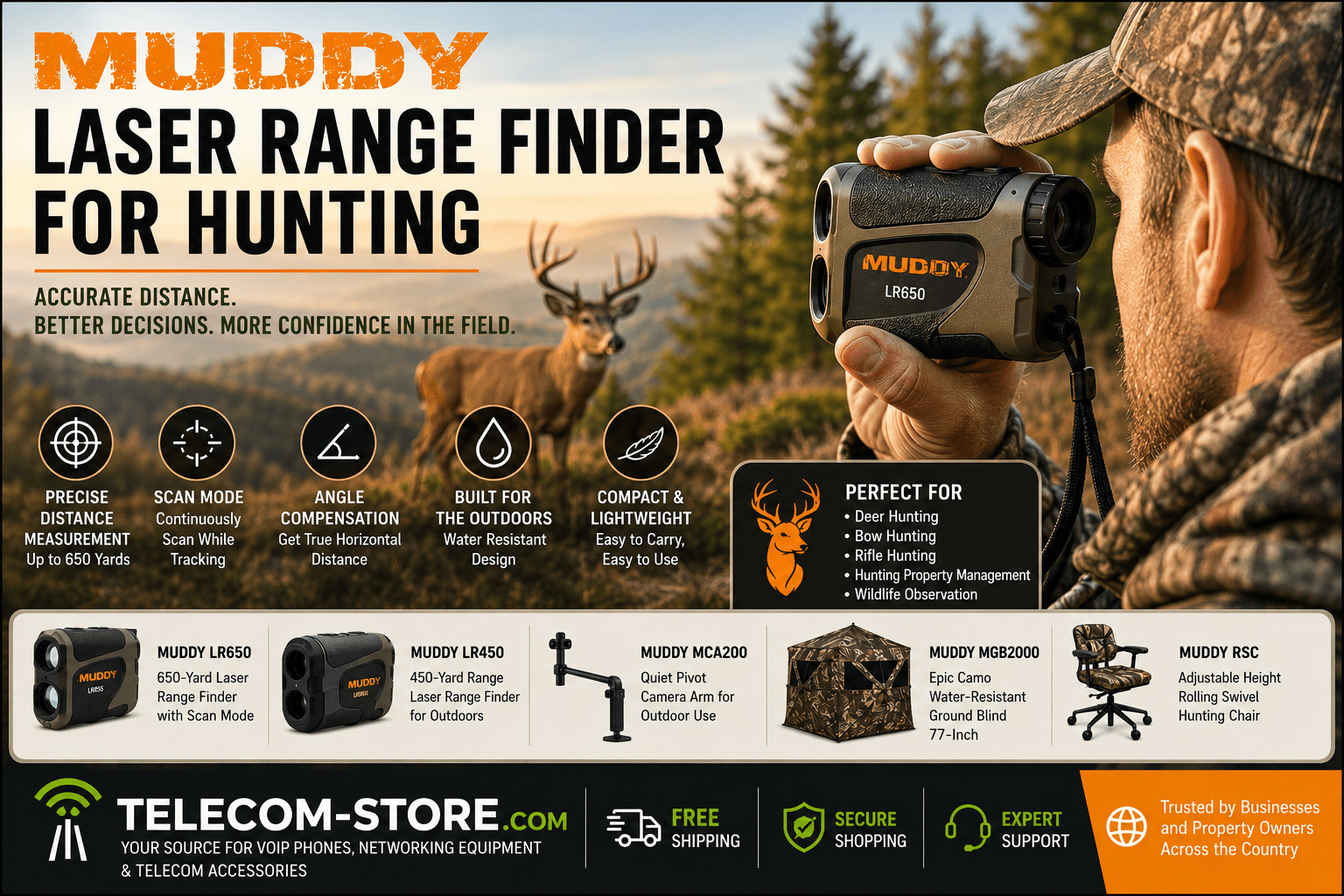
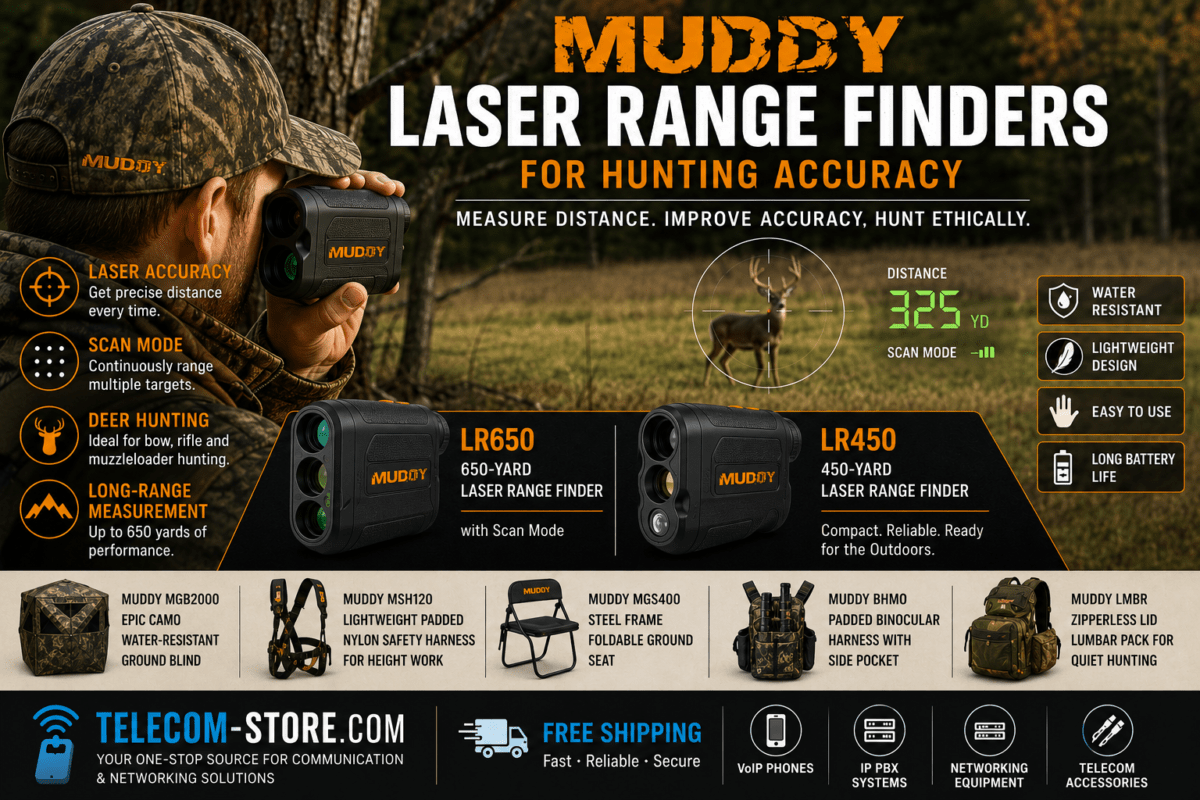
If you want accurate readings without excess features or a tangled display, Muddy range finders get right to the point. Bow and rifle hunters trust them for their balance of portability, clear optics, and practical features like scan mode and angle compensation, vital for shooting from stands or dealing with rolling property. They also work for anyone who needs to map out a new trail, place cameras, or quickly check boundaries—without overcomplicating your field bag or budget.
Muddy Range Finder Comparison Table
| Feature |
Muddy LR650 |
Muddy LR450 |
| Max Range |
650 yards |
450 yards |
| Best For |
Open field, rifle hunting |
Bow hunting, wooded |
| Scan Mode |
Yes |
Yes |
| Angle Compensation |
Yes |
Yes |
| Display |
Digital, backlit |
Digital |
| Water Resistant |
Yes |
Yes |
| Battery |
CR2 (replaceable) |
CR2 (replaceable) |
How Do Muddy Laser Range Finders Work for Field Use?
A Muddy laser range finder uses a small laser pulse to measure the time it takes to bounce off your target (like a deer, tree, or post) and return. This tech gives you a precise distance reading—helpful whether you’re in a ground blind, up a tree stand, or scouting across mixed cover. But it’s the blend of rugged housing, outdoor-focused features, and simple operation that makes them dependable for seasons to come.
Essential Features: What Sets Muddy Range Finders Apart?
- Scan Mode: Continually updates readings as you sweep across a field or woods, making it ideal for tracking a moving target or checking several spots rapidly.
- Angle Compensation: Calculates the true horizontal distance for uphill or downhill shots—a critical edge for stand hunters or anyone in varied terrain.
- Compact and Rugged: Designed to shrug off brush, pack straps, and weather bumps, all while fitting in a jacket or day pack pocket.
- Weather Resistant: Built to resist light rain and cold, but keep it dry for best performance and to avoid lens fogging in early mornings or after a snow.
- Easy-to-Replace CR2 Battery: Most field models take a replaceable CR2 battery—no tools needed, but always pack a spare, especially for winter trips.
Selecting the Right Model for Your Needs
- Muddy LR650: Opt for the LR650 if you regularly hunt open ground or need extra reach for rifle stands, food plot edges, or longer-range property work.
- Muddy LR450: Choose the LR450 for bowhunting situations, thicker timber, or properties where most shots stay under 450 yards—it’s lighter, slightly smaller, and just as tough.
- Landowners and Managers: Both models deliver for measuring food plots, camera setups, and marking boundaries for property improvements—no need for expensive survey equipment in most cases.
What to Check Before Buying a Laser Range Finder
- Maximum range you’ll actually use (don’t pay extra for 650+ yard models if all shots are within 400 yards).
- Features you need: If you use stands or hunt hilly terrain, angle compensation is a must. If you glass large fields, scan mode saves time and effort.
- Battery needs: Confirm it’s a standard CR2 and grab at least one backup. Summer and cold weather both drain batteries faster than you think.
- Display contrast: Try to see a sample—backlit displays stand out during sunrise, but may cause glare if over-bright. Muddy’s displays are easy on the eyes.
- Size and fit: Make sure it slips easily into your hunting pack or attaches neatly to your binocular harness for fast access mid-stalk.
Common Mistakes and How to Get More Value in the Field
- Assuming manufacturer range is always field range: Real-world conditions—fog, rain, brush, and even target color—can decrease the effective range. Always test yours on a typical property stroll before the season.
- Forgotten scan mode: Scan is more than a gimmick: it helps you check multiple distances quickly, especially if the shot window changes or if game is moving along a clearing.
- Neglecting batteries: Dead batteries ruin hunts. Always start with a full charge (or fresh cell) and carry a backup, especially in cold weather where power fades faster.
- Dirty lenses or wet storage: Wipe down lenses after every use, and let your finder air out if it gets wet. Avoid tossing it damp into your pack, which leads to fogged glass or electrical problems next season.
Compatibility Tips and Hunting Style Match-ups
- Muddy range finders don’t require special adapters or settings—they tuck into most hunting packs, attach to bino harnesses, and work with standard camera arm setups if you’re filming or scouting.
- Stands, blinds, and open field use are all supported. If you can set your equipment down or prop it for a shot, Muddy’s compact size won’t hold you back.
- Landowners using cameras or WiFi monitoring for security or wildlife will find range readings help with optimizing placement and minimizing guesswork on camera triggers and angles.
Preparing for the Season: Batteries, Weather, and Beyond
Before heading out, check your range finder’s battery (CR2), pack a spare, and do a quick test. During rainy or cold weather, store units in a weatherproof pouch. For those running outdoor cameras or remote sensors at the property, pairing your range finder work with solid outdoor WiFi or power solutions is a smart move. We stock PoE switches for outdoor WiFi cameras—ideal for securing or surveying hunting land when you’re not on-site.
Frequently Asked Questions
Who should buy a Muddy laser range finder?
Muddy range finders are well suited for hunters, property managers, and outdoor enthusiasts who need fast and reliable distance readings. They’re especially helpful for bow and rifle hunters, as well as anyone managing food plots, trail cameras, or land boundaries.
What’s the biggest mistake buyers make with laser range finders?
The main mistake is buying a model with much more range than you’ll realistically need—or not verifying if key features like scan mode or angle compensation match your hunting style. Always compare advertised range with your typical shooting distances and cover conditions.
Are Muddy range finders compatible with standard hunting and property gear?
Yes. Muddy range finders are compact and can be used alongside most packs, camera arms, field chairs, and other accessories. No special mounting is typically required; most users keep them clipped or pocketed for quick access.
How does scan mode work and why is it useful?
Scan mode allows you to continuously measure distances across an area or track moving targets, which gives real-time feedback for lining up shots or checking multiple objects in the field. It’s especially handy while tracking wildlife or scoping food plots.
Can you use Muddy range finders for property management tasks?
Yes. Accurate distance measurement helps with mapping plots, setting up trail cameras, placing feeders, and checking boundary lines—benefits that go beyond hunting situations alone.
What should you check before each hunting or property trip with a Muddy range finder?
Test the unit, confirm battery life (and carry a spare CR2), clean the lenses, and keep the range finder in a waterproof pouch for maximum protection. Also, make sure you are familiar with all the modes you’ll use in the field.