
Find the Right Muddy Laser Range Finder for Your Hunt
If you’ve ever had second thoughts about a shot because of a yardage guess, you’ll appreciate why a laser range finder matters. Muddy laser range finders are a proven option for hunters who need quick and reliable distance readings. They’re a staple throughout bow, crossbow, and rifle hunting seasons—and they’re just as valuable for wildlife observation, property scouting, and even field target shooting.
Let’s explore how these devices actually work, what sets Muddy models apart, how to choose the best fit, and practical tips for making the most of your gear on every outing. We’ll also cover which accessories to pair with your rangefinder for added field efficiency, and what to check before you buy so you never get caught unprepared.
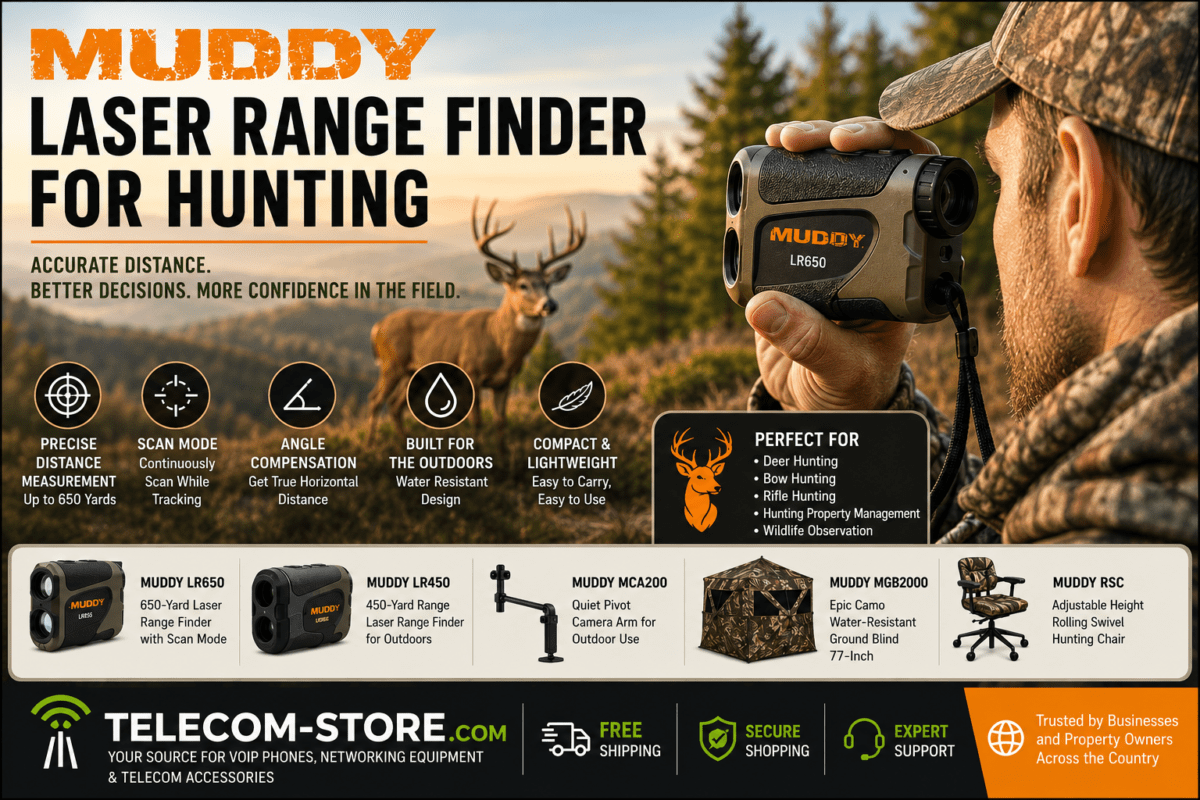
Which Muddy Range Finder Should You Choose? (LR650 vs LR450)
| Feature | Muddy LR650 | Muddy LR450 |
|---|---|---|
| Max Range (Reflective Targets) | 650 yards | 450 yards |
| Best For | Open country, large food plots, property surveying, long field shots | Dense timber, small plots, bow stands, ground blinds |
| Scan Mode | Yes | Yes |
| Water Resistant | Yes | Yes |
| Portability | Field-ready, slightly larger | Super compact, easy to stow |
| User Profile | Long-range rifle, open land, property managers | Bow hunters, short-mid range deer, scouting |
| Buy Link | LR650 Product Page | LR450 Product Page |
Not sure which one is for you? If you hunt big, open spaces or need to range far-off landmarks, choose the LR650. For most whitetail woods, food plots, and bow stands, the LR450 is easier to handle and plenty powerful.
Why Distance Measurement is Crucial for Ethical Hunting
Every ethical hunter wants to make quick, humane shots. A rangefinder lets you verify yardage before releasing an arrow, shooting a rifle, or even placing a ground blind. It means no more guessing at distance across brushy edges, creek bottoms, or hills. Instead, you can pre-mark:
- Common shot lanes and feeding areas
- Stand distances to field edges or trails
- Reference trees and terrain features for quick shooting decisions
Whether for archery or long-range rifle, modern hunting relies on true yardage—don’t trust your eyes alone, especially in changing light or variable terrain.
How Muddy Laser Range Finders Actually Work
Muddy models such as the LR650 and LR450 use a proven, reliable process:
- Aim at your target—be it a deer, tree, or feeder.
- Press the button. The laser silently bounces off the target.
- The device times the round trip and computes the exact distance, usually shown in yards or meters instantly.
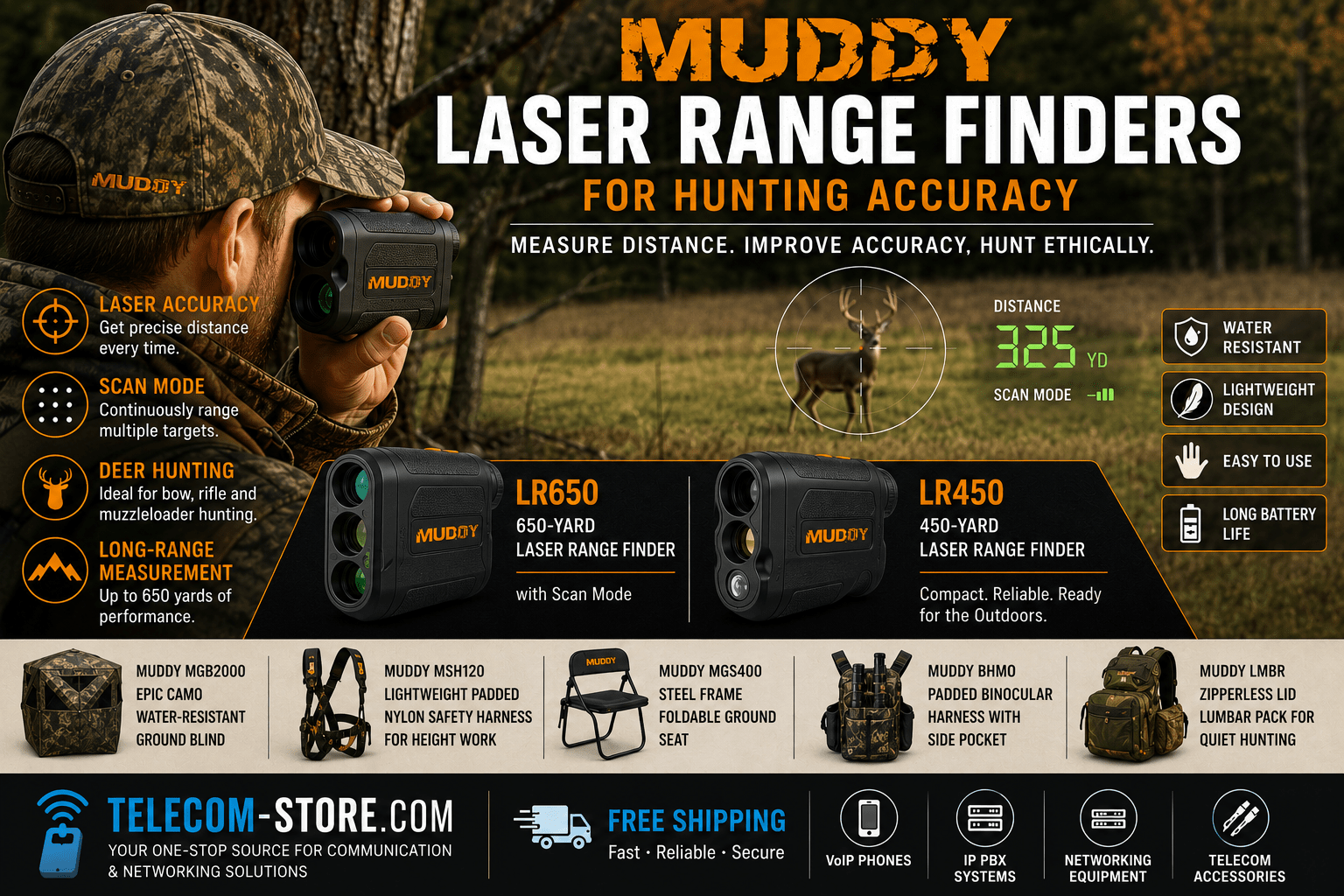
Most Muddy range finders include scan mode, so you can track moving animals or pan across several spots for live yardage updates. Useful features like water-resistant casings, visible displays in low light, and angle compensation on some versions make field use straightforward—even in poor conditions.
Best Ways to Use Laser Range Finders for Hunting
- Before first light: While setting up, use your rangefinder to mark 20, 30, 40-yard spots or more around your stand or blind.
- Bow hunting: Confirm lanes with the LR450—even a 5-yard error can affect arrow drop.
- Ground blind hunting: Range each trail, food plot corner, or feeder before game is active. The Muddy Epic Camo Ground Blind helps combine concealment with range prep.
- Rifle or property scouting: With the LR650, you can easily check crossing points, fence lines, or shoot-through openings out to 650 yards.
Use angle compensation features if you hunt steep terrain or use tree stands—you’ll get truer readings than what the “line of sight” alone would show.
Practical Tips for Success with Your Rangefinder
Maximize your investment and field performance by following a few seasoned tips:
- Always carry a harness for quick, quiet access. A harness reduces dropped gear and lets you glass and range one-handed.
- Bring spare batteries—especially in late season or cold weather, as battery life will be shorter.
- Test your unit in poor weather and low-light at home. Don’t discover display or button weaknesses in the field.
- If you use a tree stand safety harness, practice ranging from a seated or belted position before hunting begins.
- Order a lumbar pack for silent, zipperless gear access—no noisy Velcro or distracting fumbling as the sun rises or a buck steps out.
For extended sits or scouting: a foldable ground seat brings comfort and steadiness, reducing body movement when glassing or ranging.
Mistakes to Avoid with Hunting Range Finders
- Leaving the unit at home, or not checking battery charge before heading out.
- Ranging only when game appears—mark your distances in advance whenever possible.
- Forgetting to factor environmental impacts like fog or extremely bright glare; if in doubt, double-check key spots.
- Not protecting your rangefinder’s lens from mud, mist, or drops—use shielded cases or harness pouches.
Accessories That Improve Field Use
- Binocular/rangefinder harness: Try the Muddy padded model for hands-free use.
- Tree stand safety equipment: The Muddy safety harness is built for comfort and quick adjustments while you range and wait.
- Ground blind setup: Consider the 77-inch Epic Camo for weatherproof, concealed shooting with ample visibility.
- Quiet storage: The zipperless lid lumbar pack means rapid, silent access to optics, snacks, and calls.
- Comfortable seating: A foldable ground chair keeps you steady and low profile for hours.
Discover more accessories at Telecom-Store.com Outdoor Products.
What to Consider Before You Buy a Range Finder
- How far do you actually shoot? Match your model (LR450 or LR650) to your most common hunting ranges.
- Will you be using it in extreme cold, rain, or mixed conditions? Pay extra attention to waterproofing and battery options.
- Will you wear gloves or operate one-handed from a stand or blind? Prioritize easy-grip models and clear displays.
- Do you hunt only deer, or move between big game and field observation? Greater max range and scan features help for mixed uses.
- If you split your time across bow, crossbow, and rifle seasons, choose a model that fits all those distances—LR650 offers extra flexibility; LR450 maximizes portability.
For tech-savvy organizations looking for business communication gear and outdoor field solutions, Telecom-Store.com offers both office technology and hunting products. Need professional consulting? Axion Communications provides full-scale telecom services.
How Environmental Factors Impact Rangefinder Accuracy
Performance drops to watch for:
- Fog, rain, and snow: Any moisture in the air scatters the laser and shortens working range—even with a tough, water-resistant case.
- Low light: Most displays are readable at dusk, but mist and heavy cover can limit how far you can accurately range.
- Target reflectivity: A white or metallic object ranges at a greater distance than a brown deer in brush. Always check actual field max range on animals—not just the listed maximum for “reflective targets.”
- Vegetation: Grass, brush, and branches can block or reflect the laser, so always range clear targets or the base of trees near where animals appear.
Practice ranging known yardages at your property, stand, or a local range under different conditions to learn your device’s real-world limits.
FAQs: Muddy Rangefinders for the Real World
How do Muddy laser range finders work?
Muddy range finders send out a laser pulse and track its return from your target to instantly report accurate yardage—usually within a yard. A clear shot and line of sight improve accuracy, especially in woods or at dawn/dusk.
Which model is best for bowhunting?
The LR450 offers the right blend of compact size and range for most bow setups and timber hunting lanes.
Is the LR650 worth it for mixed rifle and archery hunting?
If you cover big fields or regularly need longer distances, the LR650 is ideal. For most wooded bow or whitetail stands, the LR450 is more than adequate and lighter.
What accessories should I carry?
A harness or lumbar pack secure your rangefinder and keep it within reach. Always carry spare batteries in cold weather and a lens cloth for quick cleaning.
Can weather affect rangefinder performance?
Yes—heavy moisture, fog, or snow reduce the laser’s effective range and can cloud the display. Try to check crucial distances during clear spells, and always confirm your readings if rain or mist rolls in.
Are rangefinders allowed for all hunting?
Most hunting seasons and states allow electronic rangefinders, but check your local regulations for specific rules before using one in the field.
Conclusion
Muddy laser range finders deliver accurate distance at the press of a button, making them an asset for anyone serious about their shot placement or scouting. Whether you hunt with bow or rifle, setting up a blind, or helping others learn safe hunting, these compact devices add confidence and practical efficiency. Pair your rangefinder with the right accessories for the way you hunt, and always practice—your best field results start long before opening day.