
Choosing Walker’s Game Ear Electronic Hearing Protection: What to Know First
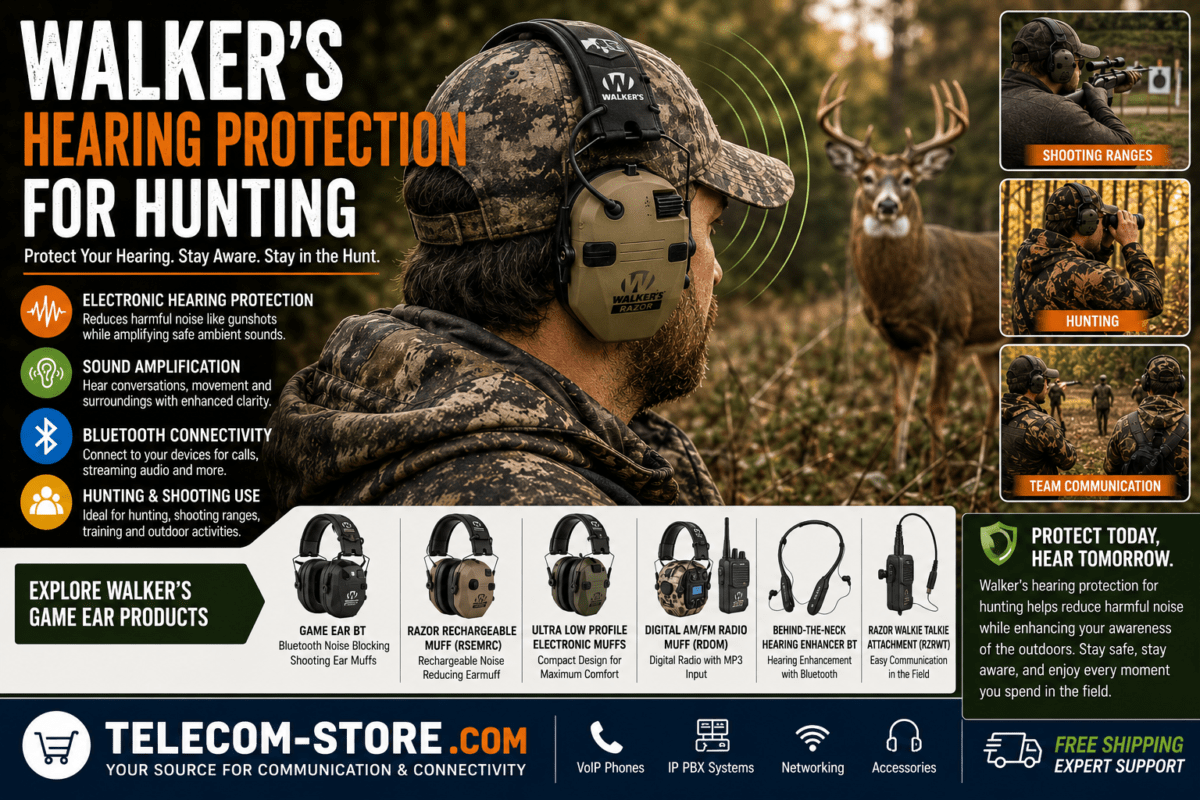
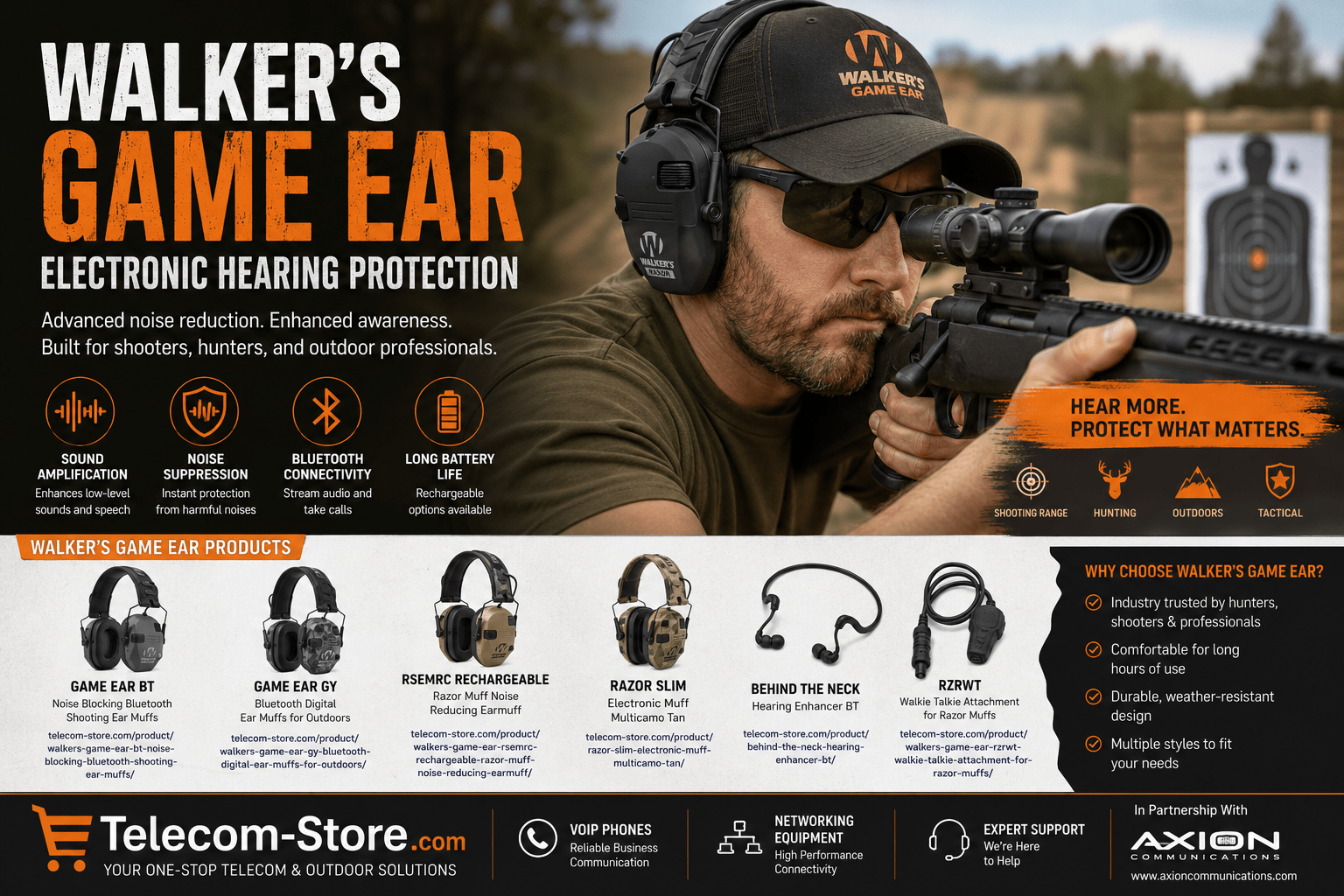
Walker’s Game Ear electronic hearing protection is a smart option for hunters, competitive marksmen, range safety officers, and outdoor teams exposed to consistent gunshot noise. With these products, you gain the ability to hear voices, warning signals, and wildlife—while still reducing exposure to dangerous decibel levels. If you’re considering upgrading from passive protection, understanding features, fit, and use cases is key.
Key buyer points:
- Electronic earmuffs allow for normal conversation and awareness without compromising on noise reduction.
- Bluetooth-equipped models enable on-the-go calls, streaming, and communication with other team members in the field.
- Low-profile and lightweight options support extended use without interfering with your gun mount or optics.
- Buying for a group or safety program? Consistency in model compatibility simplifies training and accessory sharing.
Walker’s Game Ear Model Comparison Table
| Model | Bluetooth | Battery Type | NRR (dB) | Best Use | Links |
|---|---|---|---|---|---|
| Behind-the-Neck Enhancer BT | Yes | Rechargeable | 24-26* | Hunting, scouting | View |
| BT Noise Blocking Muffs | Yes | AAA/Rechargeable | 23-27* | Indoor/Outdoor range | View |
| Razor RSEMRC Rechargeable | No | Rechargeable | 23 | Training, tactical use | View |
| GY Bluetooth Digital Ear Muffs | Yes | AAA | 24-25* | Outdoor work, range safety | View |
| Razor Slim Multicamo Tan | No | AAA | 23 | Hunters, shotgunners | View |
*Check each SKU for precise NRR and runtime details. Bluetooth streaming reduces battery life.
How Does Electronic Hearing Protection Work?
Traditional earmuffs simply block sound, but Walker’s Game Ear technology uses external microphones, digital sound processors, and fast-acting internal speakers. When a gun goes off, the system reacts almost instantly: loud impulse noise is compressed below the safe threshold (typically 82-85 dB), while softer sounds like voices, steps, or range commands are amplified. The result: situational awareness without risking your ears. This technology is also a key reason why more shooting clubs and organized hunts are moving to active electronic models for group safety and communication.
Common Use Cases and Product Picks
Hunting: Long days and changing conditions are easier with lightweight styles, such as the Behind-the-Neck Enhancer BT. These are ideal for hearing game as it approaches, and speaking in low voices with hunting partners. Their design fits well under hats and hoods, and won’t interfere when shouldering a rifle.
Shooting Ranges: Electronic muffs with higher NRR, such as the BT Noise Blocking Muffs, are essential for both indoor and outdoor use. Built-in Bluetooth makes playbacks or live range safety calls possible without removing hearing protection. Instructors can offer corrections in real-time—no more yelling.
Tactical/Instructor Use: Rechargeable Razor Muff models are chosen for low profile, slimmer side panels, and quick plug-in walkie-talkie accessories. Range officers or tactical team leads can stay in direct contact with the whole crew (see RZRWT Walkie-Talkie Attachment).
Outdoor Work, Industrial, and Security Use: Options with high visibility, reliable build, and Bluetooth (GY Bluetooth Digital Ear Muffs) serve well for utility workers, maintenance crews, and outdoor event staff who need to coordinate over phone or radio.
How to Choose Features: What Matters Most
- NRR (Noise Reduction Rating): Pick a model with at least 22–23dB NRR for outdoor hunting and shooting. Indoor use or regular high-caliber fire calls for 25+; double protection (earplugs plus muffs) is safest in these cases.
- Battery System: Do you prefer rechargeable? Bring a USB charger or spare power bank if you’ll be out all day. AAA batteries give quick backup but require fresh spares for long sessions.
- Bluetooth and Communications: If you expect to take calls or need group sync, look for Bluetooth models, but always check that your mobile or radio devices are compatible.
- Fit & Comfort: Adjustable headbands, soft ear seals, and low clamp force mean less fatigue and better protection, particularly for youth or smaller users.
- Accessory and Paging Support: For events, larger groups, or teams already using paging, confirm walkie-talkie/add-on support. (See Paging Systems.)
- Environmental Sealing: Water-resistant seals and ruggedized battery doors extend product life and reduce maintenance, especially in wet or dusty locations.
Practical Buyer Tips and Mistakes to Avoid
- Never rely solely on electronic muffs for extra-loud or extended shooting; add foam earplugs for best hearing loss prevention in these situations.
- Charge fully before leaving home. Some Bluetooth muffs run only a few hours when audio is streamed continuously.
- Test your earmuff fit with the firearms you’ll use most. Large muff cups or thick bands can break cheek welds or push scopes out of alignment, making accurate shooting difficult.
- Replace ear cushions as soon as they show wear; a bad seal dramatically reduces protection and can cause discomfort, especially in warm and humid weather.
- If using accessories like walkie-talkies, ensure correct plug and mount compatibility. Not all models share the same connectors, so verify before you buy for a team or club.
Battery Life, Charging, and Long-Term Maintenance
Modern Walker’s Game Ear models offer a mix of AAA-powered and rechargeable designs. Rechargeable units are often best for field and hunting because you don’t need to carry as many spares—just bring a USB portable charger. For industrial or multi-user contexts, AAA models simplify battery swaps. Always dry your earmuffs after wet use and store in padded cases. Avoid harsh chemical cleaners; gentle wipes keep ear seals and electronics in good shape for years.
Protecting Your Investment in the Field
If you plan to use hearing protection in harsh weather or tough environments, look for rated water and dust resistance. Regularly wipe down battery access doors and test seals. Moisture and dust are the main enemies of battery life and sound quality; a few simple checks on arrival can prevent problems on game day or at the range.
Want to explore related products? Check noise-cancelling headsets for two-way comms and clear voice pickup, which can pair well with hearing protection in safety-critical roles.
Integrating Walker’s Game Ear With Accessories and Paging
Coordinating a team or managing a competition? Ear muffs with dedicated accessory ports make it easy to add walkie-talkies or paging systems. Confirm model-specific fit for each accessory, like the RZRWT Attachment for Razor models. Strong connections and tight battery doors mean your communication will keep working even under stress or in poor weather. For larger groups, plan in advance so everyone uses a compatible headset or accessory for clear, reliable group calls. See Paging Systems for more details.
Featured Walker’s Game Ear Models
- Behind the Neck Hearing Enhancer BT
- BT Noise Blocking Bluetooth Shooting Earmuffs
- RSEMRC Rechargeable Razor Muff
- GY Bluetooth Digital Earmuffs for Outdoors
- Ultra Low-Profile Razor Slim Muff
- Browse telecom-store.com for more hearing and comm solutions
Frequently Asked Questions
How does Walker’s Game Ear electronic hearing protection work?
It uses microphones and digital filters to compress sudden loud noise below unsafe levels, while boosting voices, animal movement, and other critical field sounds. This helps you stay tuned to your environment while keeping your ears protected.
Who benefits from electronic hearing protection over passive earmuffs?
Anyone needing to follow verbal directions, react to range officer commands, or remain alert to game in the woods will benefit most—especially range instructors, event officials, or active hunting teams working together.
Is Bluetooth-enabled hearing protection suitable for both hunting and range use?
Yes, but power management is more important. Bluetooth allows calls and music, but can drain batteries faster—always test your actual runtime before a long hunt or training day. Choose Bluetooth if field updates, urgent calls, or group comms are part of your workflow.
What NRR rating should I use for indoor and outdoor shooting?
Indoor shooting or frequent high-powered rifle use: 25 or above, often with double protection (plugs + muffs). Outdoor hunting and small-caliber: 22–24 is often enough, but add plugs for long sessions or noisy groups.
Can Walker’s Game Ear muffs connect to walkie-talkies or radios?
Yes, if you select a compatible model such as the Razor series with the correct walkie-talkie attachment. Always check for connector fit before purchasing for a team or event group.
What features should I check before buying electronic hearing protection?
Comfort, seal quality, battery type, Bluetooth pairing, NRR value, and durability. If you plan outdoor use, prioritize weatherproof builds. If you are tasked with group comms, check for paging or accessory support.
Final Thoughts: Hearing Protection Built for Real-World Shooting
Whether you’re outfitting a range, managing outdoor teams, or needing a personal solution for active hunting, Walker’s Game Ear delivers a mix of protection and communication flexibility. Match your model to NRR needs, battery preferences, and accessory support—and always prioritize fit and testing before serious use. For expanded details, visit Telecom-Store.com and consult with real product specialists.