
PBX Phone Systems for Modern Business Communication

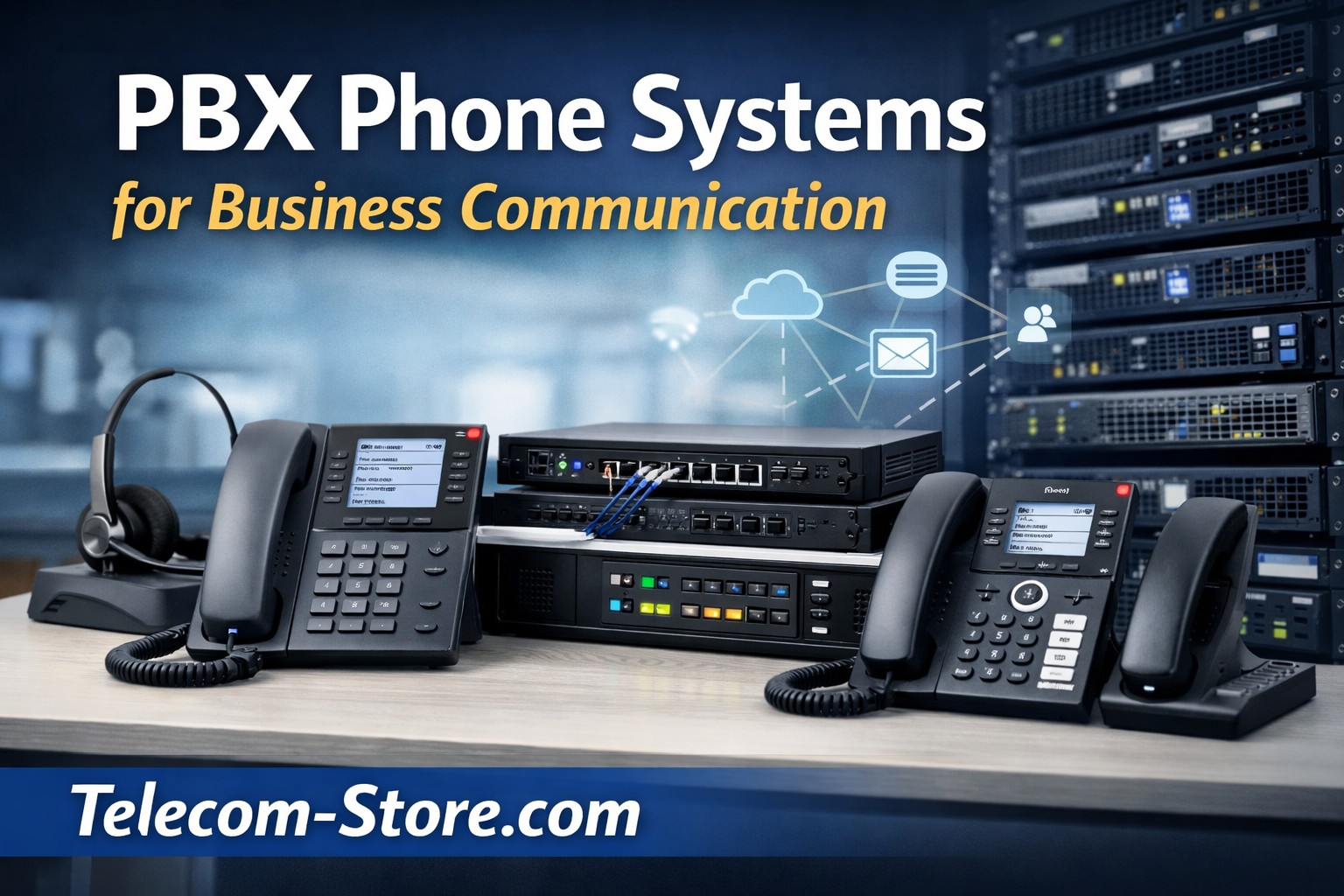
PBX Phone Systems for Modern Business Communication
Effective communication is essential for organizations of all sizes. Businesses rely on reliable phone systems to support internal collaboration, customer service, and operational coordination. One of the most common systems used to manage business phone communication is the PBX, or Private Branch Exchange.
A PBX phone system allows businesses to connect multiple internal telephones while sharing external phone lines. Instead of assigning a dedicated phone line to every employee, the PBX routes calls between internal extensions and external networks.
Modern PBX systems have evolved alongside internet technologies. Many organizations now deploy IPPBX systems, which use internet protocol networks to manage voice communication. These systems integrate with VoIP phones, networking equipment, and telecom accessories to create flexible communication environments.
Businesses looking for compatible devices can explore VoIP phones designed for PBX systems at:
https://telecom-store.com/product-category/voip-phones/
For technical background on internet-based communication protocols, organizations can review documentation from the Internet Engineering Task Force:
https://www.ietf.org/
What Is a PBX Phone System?
A PBX (Private Branch Exchange) is a private telephone network used within a business. It manages internal extensions and routes calls between users inside the organization and callers outside the organization.
Before PBX systems became common, businesses needed a separate telephone line for every phone. PBX systems allow multiple users to share a smaller number of external lines.
Typical PBX functions include:
- Internal extension dialing
- External call routing
- Voicemail management
- Call forwarding and transfers
- Conference calling
- Automated attendants
These features allow businesses to manage communication efficiently while maintaining organized call routing.
Traditional PBX vs IPPBX Systems
Telephone systems have evolved from analog networks to digital and internet-based platforms. Understanding the difference between traditional PBX systems and IPPBX systems helps businesses choose the right technology.
| Feature | Traditional PBX | IPPBX |
|---|---|---|
| Call Technology | Analog or digital lines | Internet Protocol |
| Infrastructure | Dedicated phone wiring | Data network |
| Remote Work Support | Limited | Supported |
| Software Integration | Limited | Common |
| Scalability | Hardware expansion required | Easier expansion |
An IPPBX system transmits voice calls over a data network using VoIP technology. This approach allows businesses to integrate voice communication with other digital systems.
Core Components of a PBX Phone System
A typical business PBX system includes several components that work together to support communication.
VoIP Phones
VoIP phones connect employees to the PBX system through the network. These devices convert voice signals into digital packets that travel across the network.
Businesses often deploy VoIP desk phones designed for compatibility with IPPBX platforms.
Examples of compatible models are available at:
https://telecom-store.com/product-category/voip-phones/
IPPBX Server
The IPPBX server is the central control system responsible for routing calls, managing extensions, and supporting communication features.
IPPBX software may run on dedicated hardware, a physical server, or a virtualized environment.
Network Infrastructure
Because IPPBX systems rely on internet protocol networks, network infrastructure plays a critical role.
Typical networking components include:
- Ethernet switches
- Routers
- Structured cabling
- Power over Ethernet (PoE) switches
A stable network ensures consistent call quality and system reliability.
Communication Accessories
Businesses often integrate accessories such as:
- Headsets
- Conference phones
- Expansion modules
These accessories support employees who frequently handle calls or participate in meetings.
Benefits of PBX Systems for Business Communication
PBX systems offer several advantages that support efficient business operations.
Centralized Call Management
A PBX system allows administrators to manage call routing, voicemail, and extensions from a centralized interface. This makes it easier to organize communication across departments.
Cost Efficiency
PBX systems allow multiple employees to share external lines. This can reduce the number of phone lines required and lower telecommunications costs.
IPPBX systems can also reduce long-distance charges by transmitting calls over internet connections.
Improved Internal Communication
Internal extensions allow employees to reach colleagues quickly without using external phone networks.
Features such as call transfer and conference calling also support collaboration.
Scalability
As businesses grow, PBX systems allow new extensions to be added without redesigning the entire communication infrastructure.
IPPBX systems offer particularly flexible expansion because they operate on data networks.
Types of PBX Deployment Models
Businesses considering a PBX solution often choose from several deployment options.
On-Premise PBX
An on-premise PBX system is installed within the organization’s infrastructure.
Advantages include full control over configuration and data security. However, this model may require ongoing maintenance and hardware investment.
Hosted PBX
Hosted PBX systems are managed by service providers and delivered through cloud infrastructure.
Businesses connect their phones to the provider’s system rather than maintaining their own PBX hardware.
This model often reduces maintenance responsibilities.
Hybrid PBX
Hybrid systems combine traditional PBX hardware with IP-based communication.
These systems are sometimes used by organizations transitioning from legacy phone infrastructure to IPPBX platforms.
Compatibility Considerations When Buying PBX Equipment
Before purchasing PBX equipment, businesses should evaluate compatibility with their communication environment.
VoIP Phone Compatibility
Not all VoIP phones support every PBX system.
Important compatibility factors include:
- SIP protocol support
- Firmware compatibility
- Auto-provisioning capabilities
Selecting phones designed for PBX environments simplifies deployment.
Network Requirements
IPPBX systems require stable network performance.
Businesses should evaluate network capacity and configure Quality of Service (QoS) settings to prioritize voice traffic.
Power Requirements
Many VoIP phones use Power over Ethernet (PoE) for both power and connectivity.
If PoE switches are not available, power adapters may be required.
Setup and Deployment Considerations
Deploying a PBX system requires planning to ensure reliable communication.
Extension Planning
Organizations should determine extension numbering and call routing policies before deploying phones.
Network Configuration
Network administrators often configure VLAN segmentation and QoS policies to prioritize voice traffic.
Security Measures
IPPBX systems connected to the internet should be protected with strong authentication, firewall configuration, and monitoring tools.
Limitations of PBX Systems
Although PBX systems provide many advantages, organizations should also consider potential limitations.
System Complexity
Large PBX deployments may require experienced administrators to configure and maintain the system.
Network Dependence
IPPBX systems rely on network infrastructure. Network outages may disrupt communication if backup solutions are not implemented.
Initial Setup Effort
Deploying a PBX system may require configuring phones, network equipment, and call routing policies.
PBX Systems in Modern Communication Environments
Modern PBX systems are increasingly integrated with unified communication platforms.
These systems may support features such as:
- Mobile device integration
- Video conferencing
- Messaging platforms
- Software-based call management
Businesses can build comprehensive communication environments by combining PBX platforms with VoIP phones, headsets, and networking equipment.
Organizations interested in compatible telecom devices can explore available equipment at:
https://telecom-store.com
Conclusion
PBX systems continue to play a central role in business communication infrastructure. By managing internal extensions and external calls through a centralized platform, PBX technology helps organizations organize communication efficiently.
IPPBX systems extend these capabilities by leveraging internet-based networks, enabling remote work, integration with business software, and scalable system expansion.
When selecting a PBX solution, businesses should consider compatibility with VoIP phones, network infrastructure requirements, deployment models, and administrative resources. Understanding these factors helps organizations implement communication systems that support reliable and flexible communication.
FAQ Section
What is a PBX phone system?
A PBX phone system is a private telephone network used by businesses to connect internal extensions and manage external calls. It allows employees to communicate internally while sharing a smaller number of external phone lines. PBX systems help organizations organize communication and manage features such as call routing, voicemail, and conference calls.
What does IPPBX mean?
IPPBX stands for Internet Protocol Private Branch Exchange. It is a PBX phone system that uses internet protocol networks to transmit voice calls. IPPBX systems rely on VoIP technology and often integrate with computer networks and business communication platforms.
How does a PBX system work in a business?
A PBX system acts as a central switching system that routes calls between internal extensions and external phone networks. Employees can dial colleagues using extension numbers, while external calls are routed through shared phone lines or internet-based VoIP connections.
What equipment is required for a PBX phone system?
A PBX phone system typically requires VoIP phones, an IPPBX server or software platform, network switches, routers, and internet connectivity. Businesses may also deploy accessories such as headsets and conference phones to support communication.
Can small businesses use PBX systems?
Yes. PBX and IPPBX systems can be deployed by small businesses as well as large organizations. Many platforms allow businesses to start with a small number of extensions and expand the system as communication needs grow.
What is the difference between PBX and VoIP?
PBX refers to the phone system that manages internal extensions and external call routing. VoIP refers to the technology used to transmit voice calls over internet protocol networks. Many modern PBX systems use VoIP technology.
Are PBX systems still used today?
Yes. Many businesses continue to use PBX systems. However, modern deployments typically use IPPBX platforms that integrate with internet-based communication networks and unified communication systems.